

What Are Demurrage and Detention Fees?
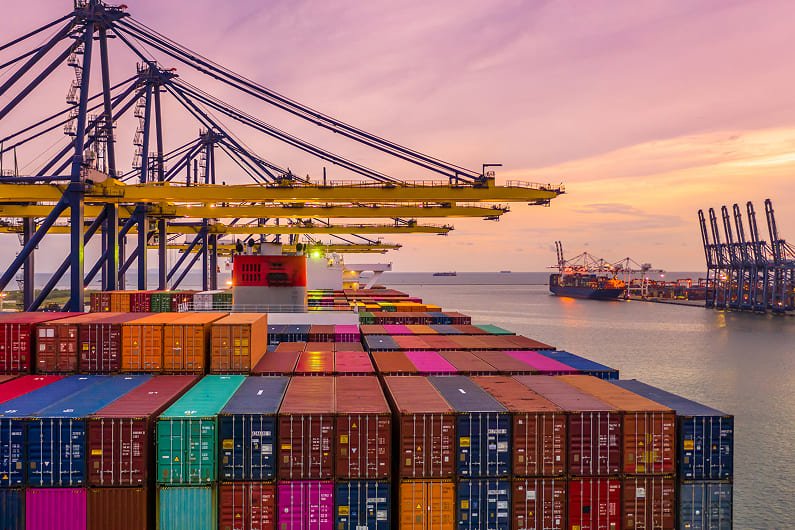
What Are Demurrage and Detention Fees? | Complete Guide for Importers & Exporters
In international shipping and logistics, unexpected charges can significantly increase transportation costs if shipments are not managed efficiently. Among the most common additional expenses faced by importers and exporters are demurrage fees and detention fees. Although these terms are often used interchangeably, they refer to different charges that occur at different stages of the shipping process.
Understanding what demurrage and detention fees are can help businesses improve supply chain management, avoid unnecessary costs, and ensure smooth cargo movement. Whether you’re shipping Full Container Load (FCL) or Less than Container Load (LCL) cargo, knowing how these charges work is essential.
At Nahra Shipping, we help businesses navigate international logistics with efficient freight forwarding, customs clearance, and cargo management solutions that minimize delays and reduce additional shipping expenses.
What Is Demurrage?
Demurrage is a fee charged by the shipping line or port when a container remains inside the port or terminal beyond the free storage period allowed.
Once a container arrives at the destination port, importers are given a specific number of free days to complete customs clearance and collect the cargo. If the container is not removed within this period, demurrage charges begin to accumulate on a daily basis.
Demurrage is essentially a storage fee for occupying valuable space within the port terminal.
What Is Detention?
Detention is a fee charged when a container is taken out of the port but is not returned to the shipping line within the agreed free time.
After collecting the container, businesses transport it to their warehouse for unloading. Shipping lines expect the empty container to be returned within the allocated free days. If the return is delayed, detention charges are applied.
Unlike demurrage, detention occurs outside the port after the container has already been picked up.
Demurrage vs. Detention: What’s the Difference?
Although both fees are related to delays, they apply in different situations.
Demurrage is charged while the container remains inside the port or terminal beyond the free period.
Detention is charged after the container leaves the port and is kept by the customer longer than the permitted return period.
In simple terms:
- Demurrage = Delay inside the port
- Detention = Delay outside the port
Understanding this distinction helps businesses better manage container movements and avoid unnecessary penalties.
Why Are Demurrage and Detention Fees Charged?
Shipping lines and port operators depend on the timely movement of containers to maintain efficient operations.
These charges encourage customers to:
- Complete customs clearance promptly.
- Collect cargo on time.
- Return empty containers quickly.
- Prevent congestion at ports.
- Ensure containers remain available for future shipments.
Without these policies, container shortages and terminal congestion would significantly disrupt global trade.
Common Causes of Demurrage and Detention Charges
Several factors can lead to these additional shipping costs.
Customs Clearance Delays
Incomplete documentation or customs inspections may prevent timely cargo release.
Delayed Cargo Collection
Importers who fail to arrange transportation promptly may exceed the free storage period.
Warehouse Congestion
If warehouse space is unavailable, unloading may be delayed, resulting in detention charges.
Documentation Errors
Incorrect invoices, packing lists, or shipping documents can delay cargo processing.
Transportation Issues
Truck shortages, traffic disruptions, or scheduling conflicts may delay container pickup or return.
How Are Demurrage and Detention Fees Calculated?
Shipping lines typically calculate these fees on a daily basis.
The total amount depends on factors such as:
- Number of delayed days
- Container size (20-foot or 40-foot)
- Shipping line tariff
- Port regulations
- Country of destination
Daily charges generally increase as the delay becomes longer, making prompt action essential.
Example of Demurrage Charges
Suppose a shipping line provides five free days after a container arrives at the destination port.
If customs clearance takes eight days, the importer exceeds the free period by three days.
In this case, demurrage fees will be charged for those additional three days.
Example of Detention Charges
After collecting a container from the port, a business receives seven free days to unload the cargo and return the empty container.
If the container is returned after ten days, detention charges apply for the extra three days.
How to Avoid Demurrage and Detention Fees
Businesses can reduce shipping costs by following a few best practices.
Prepare Shipping Documents Early
Ensure all commercial invoices, packing lists, bills of lading, and customs documents are accurate before the shipment arrives.
Complete Customs Clearance Quickly
Working with an experienced customs broker helps speed up cargo clearance.
Plan Transportation in Advance
Arrange trucking services before the container reaches the port to avoid unnecessary delays.
Return Empty Containers Promptly
Unload cargo efficiently and return containers within the free period.
Monitor Shipment Progress
Real-time shipment tracking allows businesses to anticipate arrival dates and prepare accordingly.
Partner with an Experienced Freight Forwarder
Professional logistics companies coordinate every stage of the shipping process, helping businesses avoid costly delays.
Why Efficient Logistics Matter
Every additional day a container remains at the port or outside the terminal increases logistics expenses. Efficient planning not only prevents demurrage and detention charges but also improves inventory management, customer satisfaction, and overall supply chain performance.
Businesses that proactively manage documentation, transportation, and customs procedures can significantly reduce operational costs.
Why Choose Nahra Shipping?
Nahra Shipping offers complete international freight forwarding solutions designed to simplify global trade while minimizing unnecessary shipping costs.
Our services include:
- International Sea Freight
- Air Freight Services
- Customs Clearance
- FCL and LCL Shipping
- Door-to-Door Delivery
- Cargo Consolidation
- Warehousing Solutions
- Import and Export Logistics
- Shipment Tracking
- Supply Chain Management
Our experienced logistics professionals work closely with clients to ensure containers move efficiently through ports, reducing the risk of demurrage and detention charges.
Conclusion
Understanding what demurrage and detention fees are is essential for every importer and exporter involved in international shipping. While demurrage applies when containers remain at the port beyond the free period, detention applies when containers are returned late after leaving the terminal.
By planning shipments carefully, preparing accurate documentation, and partnering with a trusted freight forwarding company like Nahra Shipping, businesses can avoid unnecessary fees, improve operational efficiency, and maintain a cost-effective supply chain.
Frequently Asked Questions (FAQs)
1. What is the difference between demurrage and detention fees?
Demurrage is charged when a container stays at the port beyond the free storage period, while detention is charged when the container is returned late after being collected from the port.
2. Who pays demurrage and detention charges?
Typically, the importer or consignee is responsible for paying these charges if delays occur during cargo collection or container return.
3. How can businesses avoid demurrage fees?
Businesses can avoid demurrage by preparing shipping documents in advance, completing customs clearance quickly, and arranging timely cargo pickup.
4. Are demurrage and detention fees charged daily?
Yes. Most shipping lines calculate these charges on a per-day basis, with rates that may increase as the delay continues.
5. Can a freight forwarder help reduce demurrage and detention charges?
Yes. An experienced freight forwarder like Nahra Shipping coordinates customs clearance, transportation, documentation, and shipment planning to minimize delays and reduce additional shipping costs.
About The Nahra logistics & trading
Nahra Logistics & Trading provides reliable freight forwarding, customs clearance, warehousing, and supply chain solutions, ensuring safe and timely cargo movement across domestic and international markets.