

What Is an HS Code and How Do You Find the Right One for Your Goods?
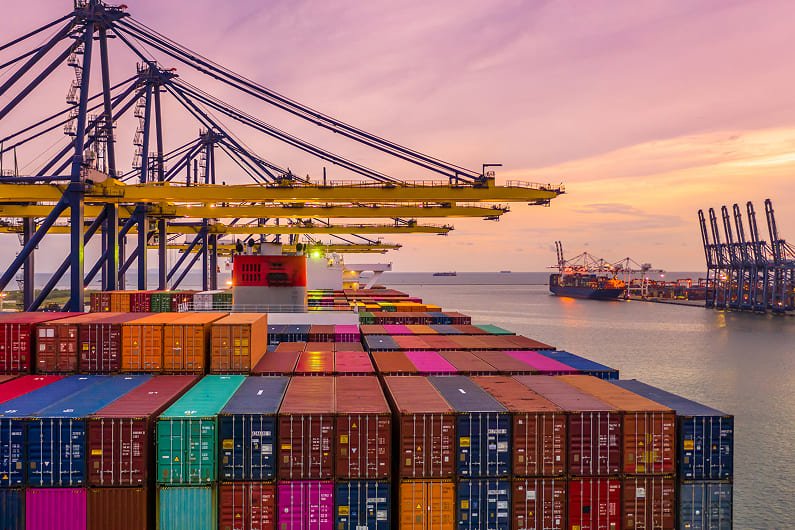
What Is an HS Code and How Do You Find the Right One for Your Goods? | Complete Guide
International trade depends on accurate product classification to ensure goods move smoothly across borders. Whether you’re importing raw materials or exporting finished products, one of the most important pieces of information required for customs clearance is the HS Code. Choosing the correct HS Code helps customs authorities identify your goods, calculate duties and taxes, and determine whether any restrictions or trade agreements apply.
Using an incorrect HS Code can result in shipment delays, incorrect duty payments, customs penalties, and compliance issues. That’s why understanding what an HS Code is and how to find the right one for your goods is essential for every importer and exporter.
At Nahra Shipping, we assist businesses with customs clearance, freight forwarding, and international logistics, ensuring shipments are classified accurately and comply with global trade regulations.
What Is an HS Code?
An HS Code, or Harmonized System Code, is an internationally standardized numerical code used to classify traded goods. It was developed by the World Customs Organization (WCO) and is used by customs authorities in more than 200 countries and economies.
The HS Code provides a universal language for identifying products, making international trade more efficient and consistent.
Every imported or exported product is assigned an HS Code based on its characteristics, composition, and intended use.
Why Are HS Codes Important?
HS Codes are essential because they help customs authorities determine how goods should be treated during import and export.
They are used to:
- Calculate customs duties and taxes
- Identify import and export restrictions
- Apply free trade agreements
- Collect international trade statistics
- Verify compliance with government regulations
- Speed up customs clearance
Accurate product classification reduces the risk of customs disputes and unnecessary delays.
How Is an HS Code Structured?
The Harmonized System uses a standardized six-digit code recognized worldwide.
The structure is divided into three levels:
Chapter (First Two Digits)
The first two digits identify the general product category.
For example:
- 09 = Coffee, Tea, and Spices
- 84 = Machinery and Mechanical Appliances
- 85 = Electrical Machinery and Equipment
Heading (First Four Digits)
The next two digits further classify products within the chapter.
For example:
- 8471 = Automatic Data Processing Machines
Subheading (First Six Digits)
The final two digits provide a more detailed product classification.
For example:
- 847130 = Portable Computers (Laptops)
Many countries extend the code beyond six digits to include national tariff classifications. Depending on the country, HS Codes may contain 8, 10, or even more digits.
How Do You Find the Right HS Code for Your Goods?
Selecting the correct HS Code requires careful evaluation of the product’s characteristics.
Understand Your Product
Begin by gathering complete information about the product, including:
- Material or composition
- Function
- Manufacturing process
- Intended use
- Technical specifications
The more detailed your product information, the easier it is to identify the correct classification.
Review the HS Code Chapters
The Harmonized System is organized into chapters covering different product categories.
For example:
- Chapter 39 – Plastics and Plastic Articles
- Chapter 61 – Knitted Apparel
- Chapter 62 – Woven Clothing
- Chapter 73 – Iron and Steel Products
- Chapter 85 – Electrical Equipment
Start by locating the chapter that best matches your product.
Identify the Correct Heading and Subheading
Within each chapter, review the available headings and subheadings carefully.
Read the product descriptions and explanatory notes to ensure the selected code accurately matches your goods.
Check Country-Specific Tariff Codes
Although the first six digits are standardized internationally, many countries add additional digits for customs purposes.
Always verify the complete tariff code required by the importing or exporting country.
Consult a Customs Broker or Freight Forwarder
If you’re unsure about the correct classification, working with an experienced customs broker or freight forwarder can help avoid costly mistakes.
Professional logistics providers understand customs regulations and can assist with accurate HS Code selection.
Examples of HS Codes
Here are a few examples of commonly used HS Codes:
| Product | Example HS Code |
|---|---|
| Laptop Computers | 847130 |
| Mobile Phones | 851713 |
| Coffee Beans | 090111 |
| Wooden Furniture | 940360 |
| Men’s Cotton Shirts | 620520 |
| Plastic Bottles | 392330 |
These examples are for reference only. Always confirm the exact tariff code based on your product specifications and destination country.
What Happens If You Use the Wrong HS Code?
Incorrect product classification can create serious problems during customs clearance.
Possible consequences include:
- Customs shipment delays
- Incorrect duty and tax calculations
- Financial penalties
- Customs audits
- Cargo inspections
- Shipment seizure in severe cases
- Delayed deliveries to customers
Accurate HS Code classification protects your business from unnecessary costs and compliance risks.
Benefits of Using the Correct HS Code
Proper classification offers several advantages.
Faster Customs Clearance
Accurate codes help customs process shipments more efficiently.
Correct Duty Payments
You pay the appropriate customs duties without overpaying or underpaying.
Reduced Risk of Penalties
Correct classification minimizes compliance issues with customs authorities.
Eligibility for Trade Agreements
Many free trade agreements require accurate HS Codes to qualify for reduced or zero customs duties.
Improved Supply Chain Efficiency
Fewer customs delays result in smoother international logistics operations.
Common Mistakes When Selecting HS Codes
Businesses sometimes make classification errors that increase shipping costs and delay deliveries.
Common mistakes include:
- Choosing codes based only on product names
- Ignoring product composition
- Using outdated tariff codes
- Copying another company’s HS Code without verification
- Failing to check destination country requirements
Careful research and professional guidance help prevent these issues.
Tips for Accurate HS Code Classification
To ensure proper classification:
- Maintain detailed product specifications.
- Verify the latest customs tariff schedules.
- Review explanatory notes carefully.
- Confirm country-specific tariff extensions.
- Consult customs experts when necessary.
- Keep records of previously classified products.
Following these best practices reduces customs risks and improves shipping efficiency.
Why Choose Nahra Shipping?
Nahra Shipping provides comprehensive customs clearance and international freight forwarding services to businesses involved in global trade.
Our services include:
- Customs Clearance
- HS Code Classification Assistance
- International Sea Freight
- Air Freight Services
- Freight Forwarding
- Import & Export Logistics
- FCL and LCL Shipping
- Door-to-Door Delivery
- Customs Documentation Support
- Shipment Tracking
Our experienced logistics professionals help businesses classify products accurately, ensuring smooth customs clearance and compliance with international trade regulations.
Conclusion
Understanding what an HS Code is and how to find the right one for your goods is essential for successful international trade. Accurate HS Code classification ensures proper customs clearance, correct duty payments, compliance with regulations, and efficient cargo movement across borders.
By working with experienced logistics professionals like Nahra Shipping, businesses can avoid costly classification errors, reduce customs delays, and streamline their global supply chain.
Frequently Asked Questions (FAQs)
1. What is an HS Code?
An HS Code (Harmonized System Code) is an internationally standardized numerical code used to classify goods for customs, tariffs, and international trade.
2. Why is an HS Code important?
HS Codes help customs authorities determine applicable duties, taxes, import restrictions, and trade regulations while ensuring efficient customs clearance.
3. How many digits does an HS Code have?
The international standard uses six digits. Many countries extend the code to eight or ten digits for national tariff purposes.
4. Can using the wrong HS Code cause shipment delays?
Yes. Incorrect HS Codes can result in customs inspections, additional duties, penalties, shipment delays, or even cargo seizure in certain cases.
5. How can Nahra Shipping help with HS Code classification?
Nahra Shipping provides professional customs clearance and product classification support, helping businesses select accurate HS Codes and ensure smooth import and export operations.
About The Nahra logistics & trading
Nahra Logistics & Trading provides reliable freight forwarding, customs clearance, warehousing, and supply chain solutions, ensuring safe and timely cargo movement across domestic and international markets.