

Dubai to Europe Sea Freight: Complete Freight Forwarding Guide
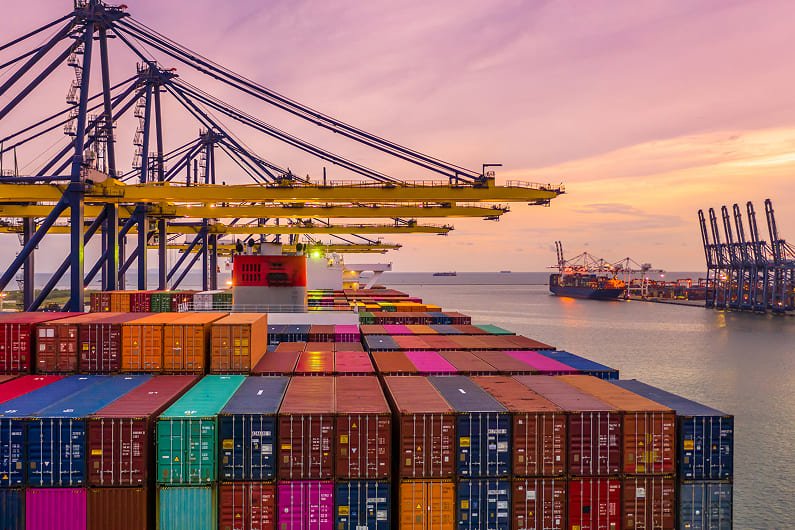
Dubai to Europe Sea Freight
Dubai is one of the Middle East’s major logistics and trading centres, connecting businesses with markets across Europe, Asia, Africa and the wider Middle East. For companies exporting commercial goods from the UAE to European markets, Dubai to Europe sea freight provides a practical solution for moving larger volumes of cargo.
Jebel Ali Port is a key part of Dubai’s international logistics infrastructure. The port currently provides more than 80 weekly services connecting over 150 ports worldwide and combines sea, road and other multimodal transport options.
For businesses shipping to Europe, successful freight movement involves more than selecting a vessel. Container planning, documentation, customs procedures, European destination requirements and inland delivery all need to be coordinated.
Why Use Dubai for Sea Freight to Europe?
Dubai’s location gives businesses access to established international shipping networks. Jebel Ali serves as a major gateway for cargo moving between the Middle East and European markets.
European destinations commonly connected through international shipping networks include:
- Netherlands
- Germany
- Belgium
- United Kingdom
- France
- Italy
- Spain
- Other European markets through direct or feeder connections
Current DP World trade-corridor information shows ocean services connecting Jebel Ali with major European gateways including Rotterdam, Hamburg/Bremerhaven, Genoa, La Spezia, Felixstowe and Southampton.
This connectivity allows businesses to select routes according to their cargo destination, schedule and overall logistics requirements.
FCL and LCL Shipping from Dubai
The right container solution depends on the volume, type and handling requirements of the shipment.
Full Container Load (FCL)
FCL is suitable when the cargo requires a complete container. It is commonly used for larger commercial consignments, machinery, industrial materials, equipment and regular export shipments.
Depending on the cargo, businesses may require standard dry containers, reefer containers or specialized equipment.
FCL can provide dedicated container space and greater control over cargo handling throughout the ocean journey.
Less than Container Load (LCL)
LCL is designed for smaller shipments that do not require a full container. Cargo from multiple customers is consolidated into one container.
This can be useful for businesses shipping smaller quantities, but consolidation and deconsolidation create additional handling stages. The total cost and delivery requirements should therefore be compared before selecting LCL.
Major European Port Gateways
The right European port depends on the final delivery location, shipping service and inland transportation requirements.
Port of Rotterdam
Rotterdam is an important gateway to the European hinterland, with extensive deep-sea, short-sea, rail, road and inland-waterway connections. The port states that it has deep-sea connections to more than 1,000 international ports.
Port of Hamburg
Hamburg is an important European logistics gateway and can be suitable for cargo destined for Germany and surrounding markets.
Antwerp-Bruges
The Belgian port provides access to Belgium and wider European markets through its extensive logistics and inland transportation network.
UK Ports
For cargo destined for the United Kingdom, ports such as Felixstowe and Southampton can form part of the available shipping network.
The best port should be selected based on the cargo’s final destination rather than simply choosing the port with the lowest ocean freight rate.
How Dubai to Europe Sea Freight Works
A typical shipment passes through several stages.
1. Cargo assessment:
The shipper provides information about the cargo, including type, quantity, weight, dimensions and packaging.
2. Route planning:
The freight forwarder identifies suitable European ports and shipping services based on the final destination.
3. Container selection:
FCL, LCL, reefer or specialized equipment is selected according to the cargo.
4. Freight booking:
Container space is booked with the selected shipping line.
5. Export preparation:
The cargo is moved to the required facility or port and export documentation is prepared.
6. Vessel loading:
After the necessary port procedures, the container is loaded onto the scheduled vessel.
7. Ocean transportation:
The container moves from Dubai to the selected European gateway.
8. Import clearance and delivery:
After arrival, customs procedures are completed before the cargo moves to the consignee’s warehouse or final destination.
Documents Required for Dubai-Europe Shipping
Accurate documentation is essential for international freight forwarding.
Depending on the cargo and transaction, common documents may include:
- Commercial invoice
- Packing list
- Bill of Lading
- Certificate of Origin
- Export declaration
- Import documentation
- Customs documents
- Product-specific certificates
- Licences or permits, where applicable
- Insurance documents
European import requirements can vary depending on the product and destination country. Businesses should verify applicable regulatory and customs requirements before shipping.
What Determines Dubai to Europe Sea Freight Cost?
The final cost depends on several factors rather than just the ocean freight charge.
Important cost considerations include:
- Origin location in Dubai
- European destination port
- FCL or LCL
- Container size and type
- Cargo weight and volume
- Shipping line
- Sailing schedule
- Port handling charges
- Documentation
- Customs clearance
- Inland transportation
- Insurance
- Storage, demurrage or detention
- Special cargo handling
A complete quotation should therefore consider the shipment from origin through final delivery.
How Long Does Sea Freight from Dubai to Europe Take?
Transit time varies according to the European destination, shipping line, vessel schedule, routing and port conditions.
DP World’s current Europe–Middle East corridor information, for example, lists ocean transit ranges of approximately 21–28 days for several Europe-Jebel Ali services, while some routes have different schedules and transit periods.
These figures should be treated as indicative ocean transit times, not guaranteed delivery dates. Customs clearance, port handling, transshipment and inland transportation can add additional time.
Businesses with time-sensitive cargo should confirm the latest sailing schedule before booking.
Customs Clearance and European Import Requirements
Getting the container to a European port is only one part of the shipment.
After arrival, the cargo may need to undergo customs procedures, document verification, duty and tax assessment, regulatory checks and other applicable import formalities.
Product requirements can vary considerably. Food products, chemicals, machinery, electronics, pharmaceuticals and other regulated goods may have additional compliance requirements.
Preparing the necessary documentation before shipment can help reduce avoidable clearance problems.
How to Make Dubai-Europe Shipping More Efficient
Businesses can improve shipment planning by following a few practical steps.
Book early:
Advance planning provides more flexibility when choosing sailing schedules and equipment.
Provide accurate cargo details:
Incorrect weights, dimensions or descriptions can cause operational and documentation issues.
Prepare documents in advance:
Invoices, packing lists and certificates should be reviewed before cargo reaches the port.
Choose the right European gateway:
The closest port to the final destination may not always provide the most economical overall route.
Plan inland transportation:
Road, rail or other transport from the European port should be arranged as part of the complete logistics plan.
Track the shipment:
Container tracking provides better visibility when schedules change or delays occur.
Why Freight Forwarding Matters
Dubai-Europe shipments involve multiple parties, including exporters, shipping lines, terminal operators, customs authorities, transport companies and consignees.
A freight forwarder can coordinate these activities and assist with container booking, documentation, customs clearance, cargo tracking and inland transportation.
Jebel Ali’s infrastructure supports this integrated approach through storage, intermodal transport, customs services and digital container tracking.
For businesses regularly exporting from Dubai to Europe, having a coordinated freight forwarding process can simplify communication and provide better visibility from cargo pickup to final delivery.
Conclusion
Dubai to Europe sea freight offers businesses an established way to move commercial cargo between the UAE and European markets. With Jebel Ali’s extensive global connectivity and access to major European gateways, businesses can select shipping solutions based on cargo requirements, destination and delivery priorities.
The most suitable route depends on the cargo type, shipment volume, European destination, container requirement and total logistics cost. Proper documentation, customs preparation and coordinated inland transportation are equally important to the ocean journey.
By planning the complete supply chain rather than focusing only on the vessel leg, businesses can make their Dubai-to-Europe shipments more predictable, efficient and easier to manage.
About The Nahra logistics & trading
Nahra Logistics & Trading provides reliable freight forwarding, customs clearance, warehousing, and supply chain solutions, ensuring safe and timely cargo movement across domestic and international markets.