

Oman to China Sea Freight: Complete Ocean Freight Guide
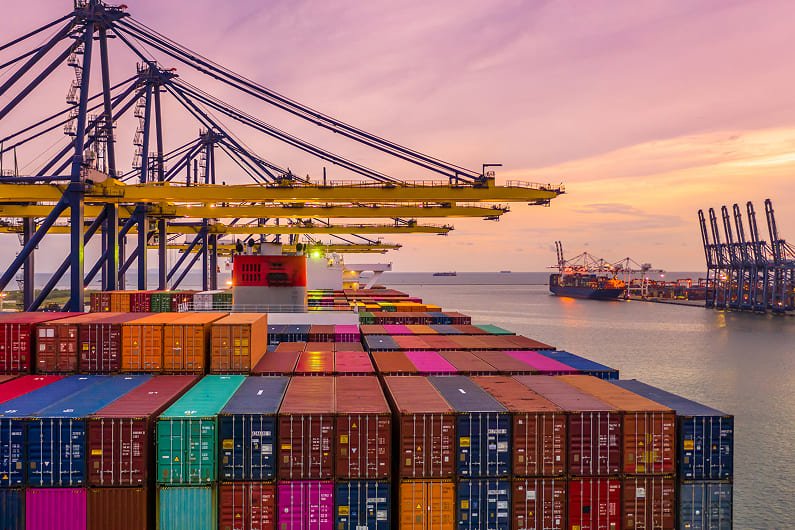
Oman to China Sea Freight
China is one of the world’s most important manufacturing and trading markets, creating strong demand for reliable shipping connections between China and the Middle East. For businesses importing machinery, electronics, spare parts, consumer products, industrial materials and other commercial goods, Oman to China sea freight provides an economical solution for moving larger shipments.
Oman’s strategic location along major international maritime routes gives businesses access to established shipping networks connecting the Middle East with Asian markets. Salalah, Sohar and other Omani ports play important roles in the country’s logistics infrastructure, while Salalah functions as a major container hub and redistribution point for international liner shipping.
Whether you are importing from China for the first time or managing regular commercial shipments, understanding container options, documentation, customs procedures, freight costs and delivery planning can help avoid unnecessary delays.
Why Use Sea Freight Between Oman and China?
Sea freight is generally well suited to commercial shipments where cargo volume is too large or transportation costs are too high for air freight.
Businesses can use ocean freight for:
- Machinery and industrial equipment
- Electrical and electronic products
- Spare parts
- Furniture
- Building materials
- Consumer goods
- Packaging materials
- Automotive components
- General commercial cargo
- Large-volume imports
For larger consignments, container shipping allows businesses to transport significant quantities while keeping transportation costs more manageable than faster air-cargo alternatives.
Main Container Shipping Options
The right shipping method depends on the quantity, nature and handling requirements of the cargo.
Full Container Load (FCL)
FCL is suitable when the shipment requires a complete container. The cargo is loaded into a dedicated container and transported to the destination.
FCL is commonly preferred for:
- Large-volume shipments
- Heavy commercial cargo
- Regular imports
- Cargo requiring controlled handling
- Shipments where consolidation is not desirable
Depending on the goods, businesses may use standard dry containers, reefer containers or specialized equipment.
Less than Container Load (LCL)
LCL allows smaller shipments to share container space with cargo belonging to other customers.
This can be useful when a business does not have enough cargo to fill an entire container. However, LCL involves consolidation and deconsolidation, so businesses should compare the total cost, handling requirements and expected delivery timeline before choosing this option.
Choosing the Right Omani Port
The most suitable origin port depends on the cargo location, shipping-line availability and required destination service.
Salalah Port
Port of Salalah is strategically positioned on major East-West shipping routes and operates as a major container transshipment and logistics hub. Its network includes leading liner companies such as Maersk, MSC, CMA CGM and COSCO.
This makes Salalah an important option for businesses seeking international connections between Oman and Asian markets.
Sohar Port
Sohar is another important Omani commercial and industrial port. The Ministry of Transport, Communications and Information Technology identifies Sohar as a deep-water, multi-purpose port with container-handling capabilities and a stated capacity of 2.4 million TEUs.
The appropriate port should be selected according to the cargo’s actual origin, available sailing service and final delivery requirements.
Popular Chinese Port Gateways
China has an extensive network of commercial ports, so the correct destination depends on the supplier’s location and the final cargo requirements.
Common Chinese gateways include:
- Shanghai
- Ningbo-Zhoushan
- Shenzhen
- Guangzhou
- Qingdao
- Tianjin
- Xiamen
For example, cargo sourced from eastern China may be routed through Shanghai or Ningbo-Zhoushan, while shipments from southern manufacturing regions may use ports around Shenzhen or Guangzhou.
The nearest port is not always the best option. Shipping schedules, inland transport from the factory, container availability and overall freight cost should also be considered.
How the Oman-China Shipping Process Works
A typical shipment involves several connected stages.
1. Cargo assessment:
The exporter or importer provides cargo type, quantity, weight, dimensions and packing information.
2. Freight quotation:
The freight forwarder compares suitable shipping services, container requirements and destination options.
3. Booking:
Once the shipping service is selected, container space is booked with the carrier.
4. Cargo pickup and loading:
Cargo is collected from the supplier or delivered to the designated loading location before being moved to the port.
5. Export documentation and clearance:
Required documents and export procedures are completed before the cargo is loaded onto the vessel.
6. Ocean transportation:
The container moves from the selected Chinese port to Oman according to the booked service and vessel schedule.
7. Arrival and customs clearance:
Once the cargo reaches Oman, applicable import procedures, customs clearance and documentation checks are completed.
8. Final delivery:
After release, the container can be transported to the consignee’s warehouse, business premises or another final destination.
Documents Needed for China-Oman Shipping
Proper documentation is essential for smooth international cargo movement.
Common documents can include:
- Commercial invoice
- Packing list
- Bill of Lading
- Certificate of Origin
- Export declaration
- Import documentation
- Customs declarations
- Product-specific certificates
- Permits or licences where required
- Insurance documents, where applicable
The exact documentation depends on the commodity, transaction and applicable regulations. Importers should confirm requirements before the shipment is dispatched.
What Determines Oman-China Sea Freight Cost?
A freight quotation depends on more than the basic ocean freight rate.
Important factors include:
- Origin and destination ports
- FCL or LCL
- Container size and type
- Cargo weight and volume
- Shipping-line and sailing schedule
- Factory pickup
- Origin port charges
- Destination port charges
- Customs clearance
- Documentation
- Inland transportation
- Insurance
- Storage, detention or demurrage
- Special handling requirements
Comparing the total logistics cost rather than just the ocean freight rate gives businesses a more realistic picture of their shipping expenses.
How Long Does Oman-China Sea Freight Take?
Transit time depends on the origin port, destination port, vessel schedule, direct or transshipment routing and port conditions.
It is therefore better to treat a quoted transit period as an indicative ocean transit time, rather than a guaranteed final-delivery date.
Businesses should also allow additional time for export procedures, port handling, customs clearance and inland transportation.
A freight forwarder can check the current sailing schedule when preparing a shipment quotation.
How to Avoid Common China Shipping Problems
Several practical steps can improve shipment reliability.
Verify Supplier and Cargo Details
Make sure the supplier provides accurate cargo descriptions, dimensions, weight, packing information and commercial documentation.
Choose the Right Incoterm
The agreed Incoterm determines which party is responsible for transportation, insurance, customs and other logistics stages. It should be clearly understood before the purchase is finalized.
Confirm Container Requirements
Cargo should be matched with the appropriate container type and capacity.
Prepare Documents Early
Checking invoices, packing lists, certificates and customs information before shipment can reduce avoidable documentation problems.
Plan Final Delivery
Ocean freight ends at the destination port, but the business’s logistics requirement usually does not. Customs clearance and inland transportation should be arranged before cargo arrival.
Why Freight Forwarding Is Important
International shipping involves exporters, importers, shipping lines, port operators, customs authorities, transport companies and other service providers.
A freight forwarder can coordinate these activities and provide support with shipping schedules, container booking, documentation, customs clearance, cargo tracking and inland transportation.
For businesses importing regularly from China, this end-to-end approach can make shipment planning easier and provide better visibility from supplier pickup through final delivery.
Oman’s broader maritime infrastructure supports this international role. The Ministry of Foreign Affairs reported that maritime ports accounted for approximately 77% of Oman’s total import and export trade in 2024, demonstrating the importance of ocean transportation to the country’s international trade.
Conclusion
Oman to China sea freight is a practical solution for businesses moving commercial cargo between the two markets. With established container infrastructure and international shipping connectivity, Omani ports can provide access to China’s major manufacturing and trading centres.
The best shipping solution depends on cargo volume, origin, destination, container type, sailing schedule and final delivery requirements. Careful documentation, appropriate container selection, customs preparation and coordinated freight forwarding can help businesses manage their China-Oman shipments more efficiently.
About The Nahra logistics & trading
Nahra Logistics & Trading provides reliable freight forwarding, customs clearance, warehousing, and supply chain solutions, ensuring safe and timely cargo movement across domestic and international markets.