

Oman to Africa Sea Freight: Shipping from Salalah Port
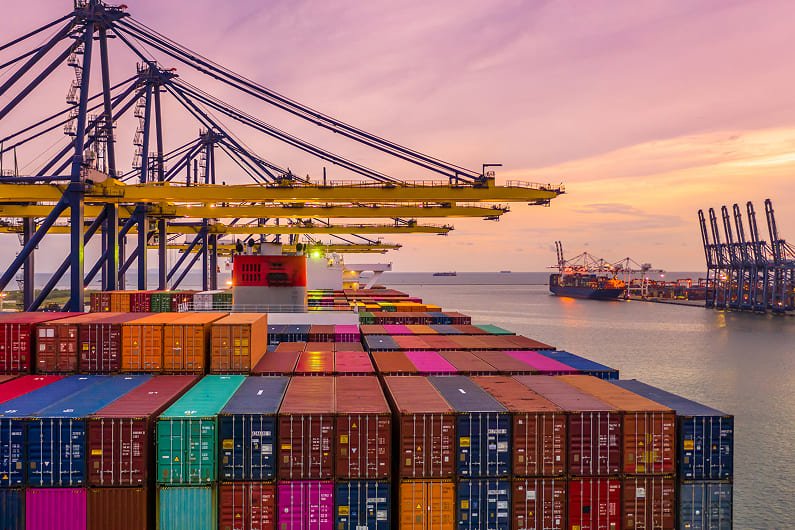
Oman to Africa Sea Freight
Oman’s strategic position on the Arabian Sea makes it an important connection point between the Middle East, Asia and Africa. For businesses moving commercial cargo from Oman to African markets, Oman to Africa sea freight from Salalah Port offers access to important East African trade routes and international shipping networks.
Port of Salalah is strategically positioned on major East-West shipping routes and has direct access to markets across East Africa, the Indian Subcontinent, the Middle East and other global regions. Its container terminal currently has six berths, a 2,197-metre quay and annual capacity of up to 6 million TEUs.
For importers and exporters, choosing the right container, destination port, documentation process and inland delivery arrangement is essential for maintaining a reliable supply chain.
Why Salalah Port Is a Strategic Gateway to Africa
Salalah’s location gives shipping lines an efficient connection between Asia, the Middle East and African markets. The port describes itself as a gateway between the Middle East, India and East Africa, supported by extensive ocean connectivity and integrated logistics services.
This makes Salalah particularly relevant for businesses trading with countries such as:
- Kenya
- Tanzania
- Somalia
- Djibouti
- Ethiopia
- Seychelles
- Uganda
- Zambia
- South Sudan
The port has highlighted its connectivity with several East African markets and reported potential transit-time advantages on routes between South/East Asia and East Africa.
The exact route and destination available for a shipment will depend on the shipping line, sailing schedule, cargo type and final delivery location.
What Cargo Can Be Shipped from Oman to Africa?
Sea freight can accommodate a wide range of commercial cargo. Common shipments may include:
- Machinery and industrial equipment
- Building materials
- Spare parts
- Consumer products
- Food and agricultural products
- Electrical equipment
- Packaging materials
- Commercial goods
- Project cargo
- Temperature-sensitive products
The cargo type should be declared accurately before booking because it can affect container selection, documentation, handling and customs requirements.
FCL and LCL Shipping from Salalah
Businesses shipping from Oman to Africa can select between different container shipping options depending on cargo volume.
Full Container Load (FCL)
FCL is suitable when a business has enough cargo to use an entire container. The shipment occupies dedicated container space, making it a practical option for larger commercial consignments.
FCL can provide better control over cargo handling and is commonly used for regular imports, exports and larger shipments.
Less than Container Load (LCL)
LCL is designed for smaller consignments that do not require a complete container. Cargo from different customers is consolidated into one container.
It can be useful for businesses shipping smaller quantities, but the additional consolidation and deconsolidation stages should be considered when comparing cost and delivery schedules.
Choosing the Right African Port
The best destination port depends on where the cargo ultimately needs to go.
For East African shipments, possible gateways may include:
- Mombasa, Kenya – an important gateway for Kenya and surrounding markets.
- Dar es Salaam, Tanzania – a major entry point for Tanzania and inland destinations.
- Djibouti – strategically positioned for the Horn of Africa and regional trade.
- Somalia – destination options depend on the specific port and carrier service.
The port with the lowest ocean freight rate is not necessarily the most economical choice. Inland transportation, customs clearance, port handling and final delivery should all be included when comparing logistics options.
Documentation for Oman-Africa Sea Freight
Correct documentation is essential for international cargo movement. Depending on the product and destination, common documents may include:
- Commercial invoice
- Packing list
- Bill of Lading
- Certificate of Origin
- Export documentation
- Import documentation
- Customs declarations
- Product-specific certificates
- Permits or licences, where applicable
- Cargo insurance documents
Cargo descriptions, quantities, values and consignee details should be checked carefully before submission.
Documentation requirements can differ between African countries and product categories, so businesses should verify the destination country’s current import requirements before shipping.
How Customs Clearance Affects Delivery
Ocean transportation is only one stage of an international shipment.
Once cargo reaches an African destination port, it may need to go through customs assessment, document verification, applicable duty and tax procedures, inspection where required and other regulatory checks before release.
Incomplete or inconsistent documents can create additional processing time.
Working with a freight forwarder and local customs-clearing partner can help coordinate the required procedures and reduce communication gaps between the exporter, carrier, customs authorities and consignee.
What Determines the Cost of Shipping from Oman to Africa?
There is no fixed price for every Oman-to-Africa shipment. The final cost depends on several factors, including:
- Origin location in Oman
- Destination port
- FCL or LCL requirement
- Container size and type
- Cargo weight and volume
- Shipping-line schedule
- Ocean freight
- Port handling charges
- Documentation
- Customs clearance
- Inland transportation
- Insurance
- Storage, demurrage or detention, if applicable
- Special cargo handling
Businesses should therefore request a shipment-specific quotation instead of comparing only basic ocean freight rates.
How Long Does Sea Freight from Salalah to Africa Take?
Transit time varies according to the destination, shipping line, vessel schedule, routing and port conditions.
Some African destinations may have direct or frequent connections, while others may require transshipment. The availability of services can also change according to carrier schedules and market conditions.
For this reason, businesses should treat transit times as indicative and allow additional time for export clearance, port handling, import customs and final inland delivery.
How to Make Oman-Africa Shipping More Reliable
Businesses can reduce avoidable shipping problems by preparing before the container reaches Salalah.
Plan the Shipment Early
Advance booking gives businesses more time to compare sailing schedules, container availability and delivery options.
Provide Accurate Cargo Details
Incorrect weight, dimensions or cargo descriptions can create operational and documentation problems.
Prepare Documents in Advance
Invoices, packing lists, certificates and other required documents should be checked before shipment.
Select the Right Container
Dry, reefer or specialized equipment should be selected according to the cargo’s characteristics.
Plan Final Delivery
The logistics plan should continue beyond the African port. Inland transportation and customs clearance can have a major impact on the final delivery timeline.
Why End-to-End Freight Forwarding Matters
International cargo involves multiple stages and service providers. A shipment may require container booking, cargo pickup, port handling, documentation, customs clearance, tracking and inland transportation.
An end-to-end freight forwarding approach brings these activities together under a coordinated logistics plan.
Port of Salalah itself highlights integrated sea, land and air connectivity and provides solutions that include customs clearance, container transport, loading and unloading, inspections and depot services.
For businesses regularly exporting from Oman to African markets, coordinated freight forwarding can improve shipment visibility and simplify communication throughout the logistics chain.
Conclusion
Oman to Africa sea freight from Salalah Port provides businesses with an important connection to East African and wider African markets. Salalah’s location, container infrastructure and international connectivity make it a practical gateway for containerized commercial cargo.
The most suitable shipping solution depends on cargo type, shipment volume, destination, available sailing schedules and final delivery requirements. With proper documentation, suitable container planning, customs preparation and coordinated inland transportation, businesses can build a more efficient and reliable Oman-Africa supply chain.
About The Nahra logistics & trading
Nahra Logistics & Trading provides reliable freight forwarding, customs clearance, warehousing, and supply chain solutions, ensuring safe and timely cargo movement across domestic and international markets.