

Oman to India Port-to-Port Sea Freight
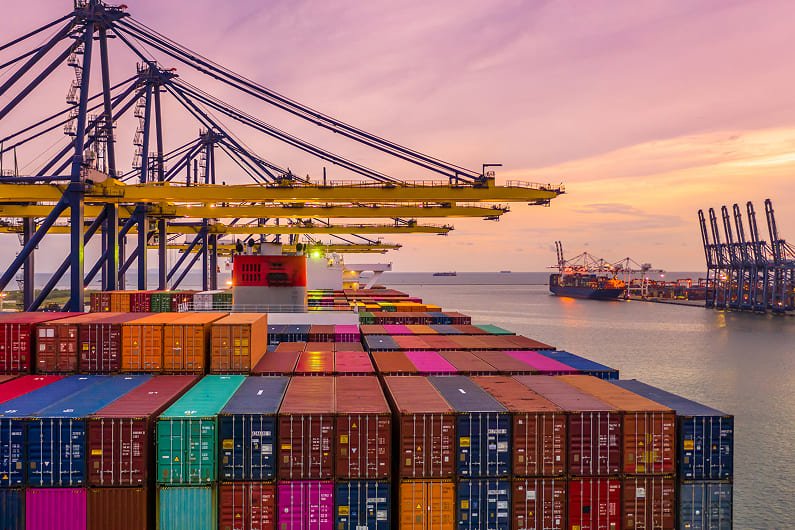
Oman to India Port-to-Port Sea Freight: A Complete Guide
Oman to India port-to-port sea freight is an important shipping route connecting the Gulf region with the Indian subcontinent. Businesses use this route to transport commercial goods, machinery, industrial equipment, spare parts, construction materials, electronics, furniture, textiles and other cargo between Oman and India.
With Oman positioned close to major international shipping routes and India having an extensive network of commercial ports, businesses can select different origin and destination combinations depending on their cargo, supplier location and final delivery point.
For larger or regular shipments, sea freight from Oman to India can be a practical alternative to air freight, particularly when cargo volume, weight and transportation cost are important considerations.
Port-to-port shipping focuses on moving cargo between the agreed origin and destination ports. Additional services such as inland transportation, customs clearance, warehousing and final delivery can be arranged separately depending on the shipment requirements.
What Is Port-to-Port Shipping from Oman to India?
Port-to-port shipping means that cargo is transported from one seaport to another.
A typical Oman-to-India shipment may follow this structure:
Oman Port → Ocean Freight → Indian Port
Depending on the cargo origin and available shipping services, the shipment may depart from Port of Salalah, Port of Sohar or another suitable Omani port.
The destination can be selected from several major Indian ports, including:
- Nhava Sheva / Jawaharlal Nehru Port
- Mundra Port
- Deendayal Port / Kandla
- Cochin Port
- Chennai Port
- Visakhapatnam Port
- Paradip Port
- Mumbai Port
The most appropriate route depends on the supplier location, cargo type, shipping schedule, final destination and overall logistics cost.
Why Choose Sea Freight from Oman to India?
Sea freight is commonly used for international commercial shipments because it can accommodate larger volumes and different container types.
Businesses may choose ocean freight when they need to transport:
- Large quantities of commercial goods
- Heavy machinery
- Industrial equipment
- Construction materials
- Automotive components
- Electronics
- Furniture
- Spare parts
- Manufacturing products
- General cargo
Compared with air freight, sea freight can be more suitable for shipments where delivery speed is less critical than overall transportation economics.
Businesses can generally choose between FCL and LCL shipping according to the size and nature of their cargo.
Major Oman Ports for Shipping to India
Salalah Port
Port of Salalah is an important maritime gateway for Oman and has strong connections with international shipping routes and the Indian Subcontinent.
It is particularly relevant for businesses located in southern Oman or those seeking container shipping services through Salalah.
The port’s location makes it an important part of Oman’s international logistics network and a potential origin point for cargo moving towards India.
Sohar Port
Sohar Port is another important shipping gateway in Oman, particularly for businesses located in northern Oman and the Al Batinah region.
It handles different categories of cargo and can be considered for containerised and other commercial shipments depending on available shipping services.
For businesses located closer to Sohar, using the port can potentially reduce inland transportation requirements compared with moving cargo to a more distant origin port.
Major Indian Ports for Oman Shipments
The right destination port can have a significant impact on the overall logistics cost and delivery process.
Oman to Nhava Sheva
Jawaharlal Nehru Port, commonly known as Nhava Sheva, is located in Navi Mumbai and is an important container gateway on India’s west coast.
The port is well connected to road and rail networks serving Maharashtra and other parts of India.
Nhava Sheva can be considered for cargo destined for:
- Mumbai
- Navi Mumbai
- Pune
- Maharashtra
- Gujarat
- Central India
- Other nearby markets
Oman to Mundra
Mundra is a major commercial port in Gujarat and can be useful for cargo destined for western and northern parts of India.
Businesses shipping to Gujarat, Rajasthan, Delhi NCR and other northern or western markets may compare Mundra with other available ports based on the final delivery location.
Oman to Cochin
Cochin Port is an important gateway for Kerala and South India.
For businesses with customers, warehouses or distribution centres in Kerala, Cochin can be a practical destination because the port provides access to the state’s road and rail networks.
Cochin Port is strategically positioned close to major international sea routes, including the Gulf–Singapore/Far East route. It also has a dedicated International Container Transshipment Terminal (ICTT) at Vallarpadam.
This makes Cochin an important consideration for businesses moving cargo between Oman and Kerala.
Oman to Chennai
Chennai is a major maritime gateway on India’s east coast and serves Tamil Nadu and surrounding regions.
Businesses shipping cargo to southern and eastern parts of India may consider Chennai depending on their final destination and available shipping services.
Oman to Mumbai
Mumbai is an important commercial centre and can be considered for certain shipments depending on cargo type, destination and available port services.
Oman to Visakhapatnam
Visakhapatnam provides an important gateway for cargo moving towards Andhra Pradesh and parts of eastern and central India.
Oman to Paradip
Paradip Port can be considered for cargo destined for Odisha and surrounding eastern Indian markets.
The best port should be selected based on the total logistics cost, not just the ocean freight rate.
FCL Shipping from Oman to India
Full Container Load (FCL) shipping is suitable when a business has enough cargo to use an entire container.
FCL can be useful for:
- Machinery
- Industrial equipment
- Large commercial orders
- Construction materials
- Furniture
- Electronics
- Automotive components
- Manufacturing goods
- Spare parts
- Regular commercial inventory
The appropriate container size depends on the cargo’s volume, dimensions, gross weight and handling requirements.
Businesses should also ensure that the cargo is properly packed and distributed inside the container to reduce movement during transportation.
LCL Shipping from Oman to India
Less than Container Load (LCL) shipping can be suitable for smaller consignments that do not require a full container.
Under LCL, cargo from multiple shippers is consolidated into one container.
It can be useful for:
- Small commercial shipments
- Samples
- Spare parts
- Smaller product quantities
- Occasional shipments
- Businesses with lower cargo volumes
LCL can reduce the need to book an entire container, but businesses should compare the complete LCL cost with FCL before choosing the service.
What Goods Can Be Shipped from Oman to India?
The goods that can be shipped depend on applicable regulations, customs requirements, shipping-line policies and cargo characteristics.
Common commercial cargo may include:
- Industrial machinery
- Equipment and spare parts
- Construction materials
- Electrical products
- Electronics
- Automotive components
- Furniture
- Textiles
- General commercial products
- Manufacturing materials
- Packaged goods
Some products may require additional documentation, certificates, licences or special handling.
Dangerous goods, oversized cargo, temperature-sensitive products and other specialised cargo should be declared accurately before the shipment is booked.
Oman to India Port-to-Port Shipping Process
A typical shipment involves several stages.
1. Cargo Assessment
The shipper provides information about:
- Cargo description
- Number of packages
- Gross weight
- Dimensions
- Total volume
- Packaging
- Special handling requirements
Accurate information helps the freight forwarder identify a suitable shipping solution.
2. Select the Origin Port
Depending on the cargo location and available services, the shipment can be routed through Salalah, Sohar or another suitable Omani port.
3. Select the Indian Destination Port
The destination port should be selected according to the final delivery address, shipping schedule and overall logistics cost.
4. Request a Freight Quotation
The freight forwarder reviews the shipment details and prepares a quotation based on the required route and service.
5. Book the Shipment
Once the shipping option is confirmed, container space can be booked with the relevant shipping line.
6. Deliver Cargo to the Origin Port
For port-to-port shipping, cargo must reach the agreed Omani port within the applicable cut-off time.
7. Complete Export Documentation
Commercial and export documents are prepared and submitted as required.
8. Container Handling and Loading
The cargo is processed at the port and loaded onto the vessel.
9. Ocean Transportation
The container travels from Oman to the selected Indian destination port.
The actual routing may involve direct sailing or transshipment depending on the shipping service.
10. Arrival at the Indian Port
The cargo undergoes destination terminal procedures after the vessel arrives.
11. Import Clearance
The consignee or appointed customs broker handles the required import clearance procedures.
12. Cargo Collection and Inland Delivery
For port-to-port service, cargo collection and transportation from the Indian port to the final destination can be arranged separately.
Oman to India Sea Freight Transit Time
The transit time for Oman to India sea freight depends on several factors, including:
- Origin port
- Destination port
- Shipping line
- Vessel schedule
- Direct or transshipment service
- Port operations
- Weather and operational conditions
- Cargo handling requirements
Therefore, there is no single transit time that applies to every Oman-to-India shipment.
Businesses should request the current sailing schedule when booking rather than relying on a fixed number of days published online.
It is also important to distinguish ocean transit time from total delivery time.
The overall shipment timeline may include:
Cargo Preparation + Inland Transport + Export Procedures + Ocean Transit + Port Handling + Import Clearance + Final Delivery
Oman to India Shipping Cost
There is no standard fixed price for port-to-port shipping from Oman to India.
The final cost can depend on:
- Origin port
- Destination port
- FCL or LCL
- Container size
- Cargo weight
- Cargo volume
- Cargo type
- Shipping line
- Vessel schedule
- Port charges
- Terminal handling
- Documentation
- Customs-related charges
- Destination charges
- Inland transportation
- Current freight market conditions
Nahra’s existing guidance also notes that a shipping quotation should be evaluated based on the complete shipment profile rather than a single standard rate.
When requesting a quotation, businesses should provide accurate cargo details to receive a more useful estimate.
Documents Required for Oman to India Shipping
Correct documentation is an essential part of international freight forwarding.
Depending on the cargo and transaction, documents may include:
- Commercial invoice
- Packing list
- Bill of lading
- Certificate of origin
- Export documentation
- Import documentation
- Customs documentation
- Product-specific certificates
- Licences or permits, where applicable
Requirements vary according to the commodity, transaction, origin and destination.
For example, Cochin Port’s published procedures identify documents such as the Bill of Entry and customs clearance documentation for imports, and shipping bills and customs clearance documentation for exports.
Cargo descriptions, quantities, values and weights should therefore be checked carefully before the shipment is submitted for customs processing.
Port-to-Port vs Door-to-Door Shipping
Businesses should understand the difference between the two services before booking.
| Port-to-Port Shipping | Door-to-Door Shipping |
|---|---|
| Cargo moves between two agreed ports | Cargo moves from origin address to final destination |
| Inland transportation arranged separately | Pickup and final delivery can be included |
| Suitable for businesses with their own transport arrangements | Suitable for businesses wanting an end-to-end service |
| Mainly focuses on ocean transportation | Covers multiple logistics stages |
| Can offer greater flexibility | Offers greater convenience |
For example:
Port-to-Port:
Salalah → Cochin
Door-to-Door:
Supplier Warehouse → Salalah → Cochin → Customs Clearance → Inland Transport → Final Delivery
The best option depends on how much of the logistics process the business wants to manage internally.
How to Choose the Right Indian Port
Choosing the destination port carefully can help businesses manage their overall transportation cost.
Consider the Final Destination
A port closer to the consignee’s warehouse or customer may reduce inland transportation costs.
Compare Ocean Freight
Different ports may have different shipping rates and schedules.
Check Vessel Frequency
A lower rate may not be useful if the available sailing schedule does not meet the required delivery timeline.
Consider Inland Transportation
The total cost should include transportation from the destination port to the final location.
Review Port and Customs Requirements
Cargo-specific procedures and documentation should be considered before selecting a route.
Compare the Complete Logistics Cost
The best route is not necessarily the one with the cheapest ocean freight.
Businesses should compare:
Ocean Freight + Origin Charges + Destination Charges + Customs + Inland Transportation
How to Reduce Oman to India Shipping Costs
Businesses can improve freight efficiency through better shipment planning.
Choose the Appropriate Container
Use a container size that matches the cargo requirements without compromising cargo safety.
Consider LCL for Smaller Shipments
For lower-volume cargo, LCL may be more practical than booking a full container.
Select the Right Destination Port
A suitable port can reduce inland transportation costs and simplify delivery.
Plan Shipments in Advance
Advance planning provides greater flexibility when selecting shipping schedules.
Prepare Documentation Early
Correct documentation can help avoid amendments, delays and additional handling costs.
Compare Complete Quotations
Review the full quotation rather than comparing only the basic ocean freight rate.
Why Use a Freight Forwarder for Oman to India Shipping?
International sea freight requires coordination between multiple parties, including shipping lines, ports, customs authorities, transport providers and cargo handlers.
A freight forwarder can help coordinate:
- Route planning
- FCL and LCL shipping
- Container booking
- Vessel schedules
- Documentation
- Customs coordination
- Cargo handling
- Port procedures
- Shipment tracking
- Inland transportation
This can be particularly useful for businesses regularly importing or exporting between Oman and India.
Oman to India Shipping for Businesses
The Oman–India trade corridor supports a wide range of commercial activities, including manufacturing, wholesale distribution, construction, retail and industrial supply chains.
Businesses can use sea freight for:
- Import and export
- Commercial inventory
- Industrial equipment
- Manufacturing supplies
- Wholesale products
- Re-export cargo
- Project cargo
- Regular supply chain movements
Choosing an appropriate port and shipping method can help businesses improve shipment planning and manage transportation costs.
Reliable Oman to India Port-to-Port Sea Freight
Oman to India port-to-port sea freight provides businesses with a practical ocean transportation solution between Oman and major Indian commercial markets.
Whether cargo is moving from Salalah or Sohar to Nhava Sheva, Mundra, Cochin, Chennai, Mumbai or another Indian port, route selection, container type, documentation and shipping schedules all play an important role in the overall logistics process.
Nahra Logistics & Trading Company provides international freight forwarding and logistics solutions covering sea freight, FCL, LCL, customs clearance, import and export support, land transportation, cargo packaging, warehousing and door-to-door delivery.
For businesses planning an Oman-to-India shipment, providing accurate cargo details and confirming current sailing schedules, freight charges and destination requirements before booking can help reduce unexpected delays and costs.
About The Nahra logistics & trading
Nahra Logistics & Trading provides reliable freight forwarding, customs clearance, warehousing, and supply chain solutions, ensuring safe and timely cargo movement across domestic and international markets.