

What Are the Charges for Port-to-Port Shipping?
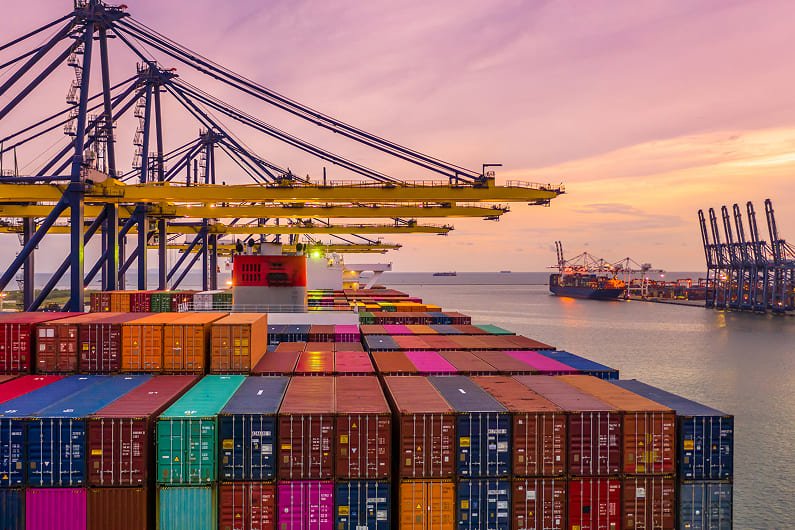
What Are the Charges for Port-to-Port Shipping?
When businesses plan an international shipment, one of the first questions they usually ask is:
How much does port-to-port shipping cost?
The answer is not a single fixed amount.
Port-to-port shipping charges can vary depending on the origin and destination ports, container type, cargo volume, shipping line, route, season, port charges and several other factors.
Understanding these cost components can help importers and exporters compare quotations more accurately and avoid unexpected expenses.
What Is Port-to-Port Shipping?
Port-to-port shipping generally refers to the transportation of cargo between a designated origin port and destination port.
For example:
Jebel Ali Port → Cochin Port
or
Jebel Ali Port → Mundra Port
The main international sea freight is arranged between the two ports. Depending on the agreement, other services such as cargo pickup, customs clearance and final delivery may be arranged separately.
This is different from door-to-door shipping, where the logistics provider coordinates a broader journey from the origin address to the final destination.
The exact services included in a port-to-port quotation should always be confirmed with the freight forwarder or carrier.
What Are the Main Port-to-Port Shipping Charges?
The total cost can contain several components.
1. Ocean Freight
Ocean freight is the main transportation charge for moving cargo by vessel between the origin and destination ports.
The rate can depend on:
- Shipping route
- Container type
- Container size
- Shipping line
- Market conditions
- Sailing schedule
- Origin and destination
- Type of cargo
Ocean freight rates can change over time, so an online rate or previous quotation may not represent the current price.
2. Container Charges
For FCL shipments, the type and size of container affect the overall cost.
Common container options include:
- 20ft standard container
- 40ft standard container
- 40ft High Cube container
- Specialised containers for certain cargo
A 20ft container may be suitable for dense cargo, while a 40ft container may be more appropriate when volume is the primary consideration.
The correct container should be selected based on cargo weight, dimensions and transportation requirements.
3. Terminal and Port Charges
Ports and terminals have their own handling and operational charges.
Depending on the shipment and port, these may include charges related to:
- Terminal handling
- Container handling
- Documentation
- Port operations
- Equipment
- Storage
- Other applicable terminal services
These charges can vary significantly between ports and should be checked when comparing shipping quotations.
4. Documentation Charges
International shipping requires documentation.
Depending on the shipment, documentation-related charges may apply for services such as:
- Bill of Lading processing
- Shipping documentation
- Certificates
- Export documentation
- Other carrier or forwarding paperwork
The exact charges depend on the service provider and shipment requirements.
5. Customs Clearance Charges
One important point to understand is that port-to-port shipping does not automatically mean customs clearance is included.
Export and import customs procedures may be handled separately depending on the agreed service.
Businesses should clarify:
- Who will handle export customs clearance?
- Who will handle import customs clearance?
- Are customs broker charges included?
- Are government duties and taxes included?
- Are any inspection charges applicable?
This is particularly important when comparing different freight quotations.
6. Origin Charges
Cargo may incur additional charges before it leaves the origin port.
These can include services associated with:
- Cargo handling
- Container positioning
- Documentation
- Export procedures
- Port entry
- Other local services
The exact charges depend on the shipment and the origin location.
7. Destination Charges
Similarly, charges may arise when the container reaches the destination port.
These can include applicable:
- Terminal charges
- Documentation fees
- Handling charges
- Customs-related services
- Container-related charges
- Storage
- Other destination services
These costs should be clarified before shipment so the importer understands the expected total logistics expense.
8. Storage and Demurrage Charges
Delays can create additional costs.
If a container remains at a terminal beyond the permitted free period, storage or other applicable charges may arise.
Similarly, container-related charges can apply if equipment is retained beyond the agreed period.
The exact terminology, free time and rates vary according to the carrier, port and contract.
This is why importers should arrange customs clearance and cargo collection as efficiently as possible after arrival.
9. LCL Shipping Charges
Not every shipment requires a full container.
For smaller shipments, LCL (Less than Container Load) may be more suitable.
Instead of paying for an entire container, cargo is consolidated with shipments from other businesses.
LCL pricing may consider factors such as:
- Cargo volume
- Weight
- Origin
- Destination
- Handling
- Consolidation
- Documentation
- Destination charges
Therefore, businesses should compare the complete LCL cost with the cost of FCL before deciding.
10. FCL Shipping Charges
FCL (Full Container Load) means the shipment uses a dedicated container.
FCL charges can include:
Ocean Freight + Container Charges + Origin Charges + Destination Charges + Documentation + Other Applicable Services
The exact cost varies by route, container size, carrier and shipment requirements.
For regular commercial shipments, FCL can be attractive when the cargo volume is large enough to justify a dedicated container.
What Factors Affect Port-to-Port Shipping Cost?
Several factors can influence the final quotation.
Origin and Destination
Different port pairs have different freight rates and operating costs.
For example, the cost of shipping from Dubai to Cochin may differ from shipping from Dubai to Mundra or Colombo.
Container Size
A 20ft container and 40ft container have different capacities and rates.
Cargo Weight and Volume
Heavy or bulky cargo may require different equipment or handling arrangements.
Shipping Route
Direct services and services involving transshipment can have different pricing and transit characteristics.
Season and Market Conditions
Freight rates can fluctuate based on shipping demand, vessel capacity and market conditions.
Fuel and Other Carrier Surcharges
Carriers may apply various surcharges depending on the route and prevailing conditions.
Port and Terminal Charges
Origin and destination charges can contribute significantly to the overall shipment cost.
Does Port-to-Port Mean Door-to-Port?
No.
This is an important distinction.
Port-to-port:
Origin port → Destination port
Door-to-port:
Origin address → Destination port
Door-to-door:
Origin address → Final destination
If you choose port-to-port shipping, transportation between the warehouse and port may need to be arranged separately unless it is specifically included in the quotation.
How to Get an Accurate Shipping Quote
Instead of asking only:
“How much is shipping?”
provide complete shipment details.
A freight forwarder will usually need information such as:
- Pickup location
- Origin port
- Destination port
- Cargo description
- Number of packages
- Cargo weight
- Cargo dimensions
- Total volume
- Container type
- Preferred shipping date
- Final delivery requirements
The more accurate the information, the more useful the quotation is likely to be.
How to Compare Two Shipping Quotes
Two quotations can look very different even when the basic ocean freight rate appears similar.
Before choosing a provider, check whether each quotation includes:
- Ocean freight
- Container charges
- Terminal handling
- Documentation
- Origin charges
- Destination charges
- Customs clearance
- Port handling
- Storage or free-time conditions
- Inland transportation, if required
A quotation with the lowest ocean freight rate is not necessarily the cheapest overall solution.
Always compare the total landed logistics cost and service scope.
Can Port-to-Port Shipping Reduce Costs?
It can, particularly for businesses that already have strong logistics arrangements at both ends.
For example, an experienced importer may already have:
- A customs broker
- Local transportation
- Warehouse facilities
- Port handling arrangements
In such cases, port-to-port shipping can provide flexibility and allow the business to manage local services independently.
However, businesses without local logistics support may find door-to-door shipping more convenient, even if the quoted service cost is higher.
The right choice depends on the company’s resources and priorities.
Nahra Logistics & Trading Company
At Nahra Logistics & Trading Company, we provide international freight forwarding and logistics solutions for businesses moving cargo across the GCC, India and global markets.
Our services include sea freight, air freight, land transportation, customs clearance, import and export solutions, cargo packaging, warehousing, distribution and door-to-door delivery.
For port-to-port shipments, our team can help businesses understand the different stages of the transportation process and identify the services required based on the cargo, route and destination.
Whether you are shipping a full container or a smaller consolidated consignment, proper cost planning can help you make better logistics decisions.
Final Thoughts
So, what are the charges for port-to-port shipping?
There is no universal price.
The final cost can include ocean freight, container charges, terminal handling, documentation, origin and destination charges, customs-related services and other applicable costs.
The amount depends on the route, cargo, container, carrier, port and current market conditions.
For this reason, businesses should request a detailed quotation based on their actual shipment requirements rather than relying on a general shipping price.
The best shipping decision is not necessarily the one with the lowest headline freight rate.
It is the one that provides the right combination of cost, service, transit planning and reliability for your business.
Nahra Logistics & Trading Company — helping businesses plan and manage international cargo movement with practical logistics solutions.
About The Nahra logistics & trading
Nahra Logistics & Trading provides reliable freight forwarding, customs clearance, warehousing, and supply chain solutions, ensuring safe and timely cargo movement across domestic and international markets.