

Port-to-Port vs Door-to-Door Shipping: Which Is Better?
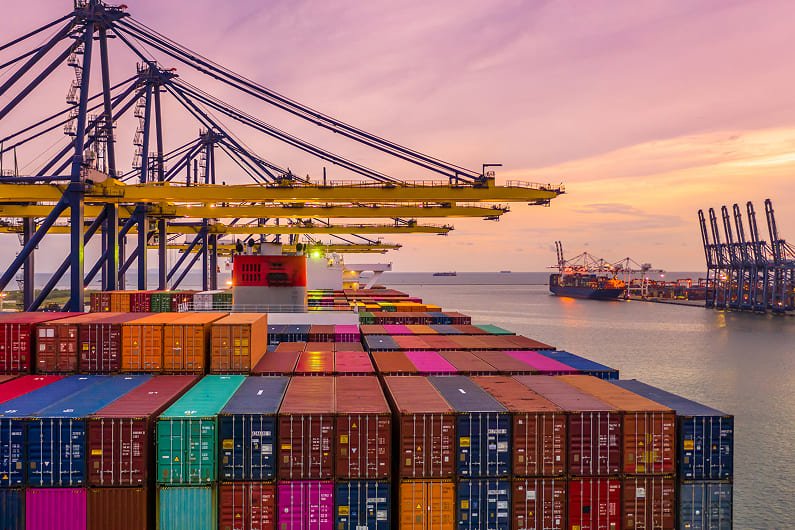
Port-to-Port vs Door-to-Door Shipping
When arranging an international shipment, choosing the right shipping service is about more than selecting air freight or sea freight.
Importers and exporters also need to decide how much of the transportation journey they want their logistics provider to manage.
Two common options are port-to-port shipping and door-to-door shipping.
At first glance, port-to-port may appear simpler and less expensive, while door-to-door seems more convenient. But the better choice depends on your cargo, logistics experience, available local transportation and how much coordination you want to handle yourself.
So, port-to-port vs door-to-door shipping: which is better?
Let’s compare them.
What Is Port-to-Port Shipping?
Port-to-port shipping generally covers the main international transportation between a specified origin port and destination port.
For example:
Jebel Ali Port → Indian Port
The international sea freight is arranged between the two ports, while transportation before the origin port and after the destination port may need to be arranged separately.
A typical port-to-port shipment may involve:
- Cargo delivered to the origin port
- Export procedures
- Ocean transportation
- Destination port handling
- Import customs arrangements
- Cargo collection
- Inland transportation to the final destination
The exact services included depend on the freight quotation and agreed shipping terms.
Port-to-port can be useful for businesses that already have reliable transport and customs arrangements at both ends of the shipment. MSC similarly describes port-to-port shipping as the ocean leg between the port of departure and port of discharge, with inland transport and customs handled separately.
What Is Door-to-Door Shipping?
Door-to-door shipping extends the transportation service from a specified origin address to a specified final destination.
For example:
Supplier Warehouse in Dubai → Customer Warehouse in Kerala
The logistics journey may include:
Pickup → Inland Transport → Port → Sea Freight → Destination Port → Inland Transport → Final Delivery
This can reduce the number of separate transportation arrangements a business needs to coordinate.
However, it is important to check exactly what is included in the quotation. Door-to-door does not automatically mean that every customs charge, duty, tax, insurance cost or destination expense is included.
Port-to-Port vs Door-to-Door: The Main Difference
The simplest way to understand the difference is to look at the scope of transportation.
| Factor | Port-to-Port | Door-to-Door |
|---|---|---|
| Origin pickup | Usually arranged separately | Usually coordinated |
| Main international freight | Included | Included |
| Destination delivery | Usually arranged separately | Usually coordinated |
| Coordination | More responsibility for shipper/consignee | More responsibility handled by logistics provider |
| Flexibility | High | High |
| Convenience | Lower | Higher |
| Best for | Experienced logistics teams | Businesses wanting end-to-end support |
The exact inclusions can vary by provider, route and quotation, so businesses should compare the actual service scope rather than relying only on the service name.
Is Port-to-Port Shipping Cheaper?
Port-to-port shipping can have a lower initial freight quote because fewer transportation stages are included.
But a lower quoted ocean freight rate does not necessarily mean a lower total logistics cost.
You may still need to pay separately for:
- Pickup from the supplier
- Transportation to the origin port
- Export-related services
- Destination terminal charges
- Customs clearance
- Transportation from the destination port
- Final delivery
- Storage or other applicable charges
Once these costs are added, the difference between the two options may become smaller.
That is why businesses should compare the complete shipment cost, rather than comparing only the headline freight rate.
When Is Port-to-Port Shipping a Better Choice?
Port-to-port may be suitable if your business already has logistics arrangements at both ends.
For example, you may have:
- Your own transportation team
- A trusted customs broker
- Local trucking partners
- Warehouse facilities
- Experience handling port procedures
- A dedicated logistics department
In this situation, managing the first and last stages yourself can provide greater control over local operations.
It can also allow experienced importers and exporters to negotiate individual services according to their requirements.
When Is Door-to-Door Shipping a Better Choice?
Door-to-door can be particularly useful when convenience and coordination are priorities.
It may be suitable for businesses that:
- Do not have transportation partners at the destination
- Are new to international shipping
- Want fewer logistics coordination points
- Need cargo delivered directly to a warehouse
- Prefer one provider to manage multiple transportation stages
- Want better visibility across the complete journey
For a growing importer or exporter, having one logistics partner coordinate pickup, international freight and final delivery can make the shipping process easier to manage.
Nahra provides door-to-door cargo services alongside freight forwarding, customs clearance, warehousing and land transportation.
Which Option Gives You More Control?
Port-to-port shipping generally gives you more direct control over the inland stages.
You can select your own:
- Trucking company
- Customs broker
- Warehouse
- Delivery provider
- Local logistics arrangements
However, greater control also means greater responsibility.
Door-to-door shipping gives more coordination responsibility to the logistics provider.
This can make it easier for businesses that prefer to focus on their core operations instead of managing multiple transportation providers.
What About Customs Clearance?
This is an important point that businesses should clarify before booking.
Neither the term “port-to-port” nor “door-to-door” by itself tells you exactly who will handle customs clearance.
Customs arrangements depend on the agreed service, destination, Incoterms and commercial responsibilities.
For example, a door-to-door quotation may include customs clearance, while another may quote customs brokerage separately.
Always ask your freight forwarder:
- Is export customs clearance included?
- Is import customs clearance included?
- Are duties and taxes included?
- Are destination terminal charges included?
- Is final delivery included?
This can help prevent unexpected costs after the cargo arrives.
Port-to-Port vs Door-to-Door for FCL and LCL
Both service models can potentially be used with FCL and LCL shipments, depending on the route and logistics provider.
FCL Shipping
With Full Container Load shipping, a dedicated container is used for the shipment.
Port-to-port FCL may work well when the shipper and consignee can manage transportation at both ends.
Door-to-door FCL can be convenient when a business wants the container journey coordinated from the origin warehouse through to the final delivery location.
LCL Shipping
Less than Container Load shipping is suitable when the cargo does not require a complete container.
Because LCL involves consolidation and deconsolidation, the movement may involve warehouses or freight terminals as part of the transportation process.
The appropriate service depends on cargo volume, destination and delivery requirements.
Which Is Better for Your Business?
There is no universal winner.
The right option depends on your business model.
Choose Port-to-Port If:
You already have reliable logistics arrangements at the origin and destination and want more control over local transportation and costs.
Choose Door-to-Door If:
You want a simpler, more coordinated logistics process with less responsibility for arranging separate transportation stages.
In short:
Port-to-port = more control and more coordination.
Door-to-door = more convenience and less coordination.
The best option is the one that fits your operational capability and total logistics requirements.
Don’t Compare Only the Freight Rate
One of the most common mistakes when comparing shipping options is looking only at the ocean freight price.
Instead, compare the complete journey.
Ask for a quotation that clearly explains:
- Pickup charges
- Origin transportation
- Freight charges
- Port and terminal charges
- Customs clearance
- Destination charges
- Inland transportation
- Final delivery
- Storage and other possible charges
This gives you a better understanding of the actual cost of moving your cargo from origin to destination.
Why the Right Freight Forwarder Matters
Whether you choose port-to-port or door-to-door shipping, a reliable freight forwarding partner can help coordinate the shipment more effectively.
The right provider should understand:
- International freight routes
- Air and sea transportation
- Customs procedures
- Documentation
- Cargo handling
- Warehousing
- Land transportation
- Final delivery requirements
For businesses operating across international markets, this expertise can reduce unnecessary coordination and help create a smoother shipping process.
Nahra Logistics & Trading Company
At Nahra Logistics & Trading Company, we provide international logistics solutions designed around the individual requirements of importers and exporters.
Our services include international freight forwarding, air freight, sea freight, land transportation, customs clearance, import and export solutions, cargo packaging, warehousing, supply chain management, distribution and door-to-door delivery.
With a strong network across the GCC and international markets, we help businesses coordinate cargo movement between suppliers, ports, warehouses and final destinations.
Whether you need port-to-port shipping or a more comprehensive door-to-door logistics solution, the right service can be planned according to your cargo, route and delivery requirements.
Final Verdict: Port-to-Port or Door-to-Door?
So, which is better—port-to-port or door-to-door shipping?
It depends on what your business values most.
If you have an experienced logistics team and established partners at both ends, port-to-port shipping can give you greater control and flexibility.
If you want a simpler process with fewer separate arrangements, door-to-door shipping can provide greater convenience and coordination.
Before making a decision, compare the complete service scope and total logistics cost, not just the initial freight rate.
Because successful international shipping is not only about moving cargo between two ports. It is about making sure the entire journey works.
Nahra Logistics & Trading Company — connecting cargo, businesses and markets through reliable international logistics solutions.
About The Nahra logistics & trading
Nahra Logistics & Trading provides reliable freight forwarding, customs clearance, warehousing, and supply chain solutions, ensuring safe and timely cargo movement across domestic and international markets.