

How to Book a Container from Dubai to India?
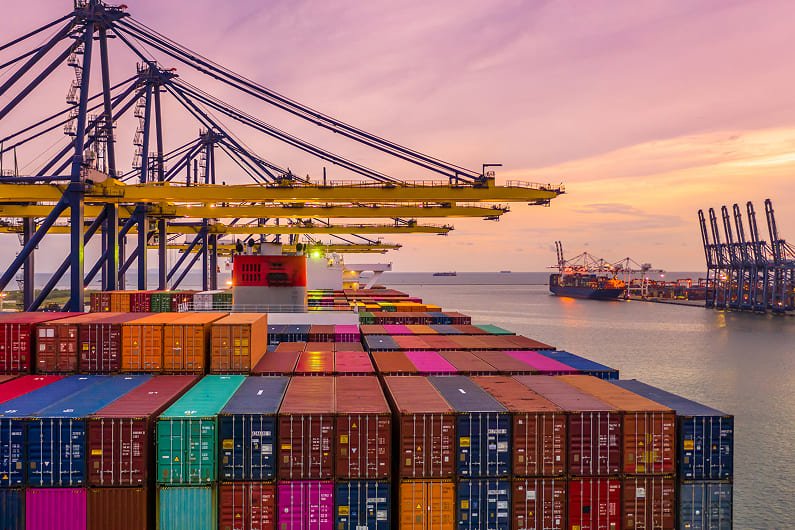
Book a Container from Dubai to India
Shipping goods from Dubai to India is a common requirement for importers, exporters, manufacturers, traders and businesses with suppliers or customers across the two countries.
But if you have never arranged an international container shipment before, the process can seem complicated.
Which container should you choose?
How do you book the shipment?
Which documents are required?
Which Indian port should you select?
How does customs clearance work?
The good news is that the process becomes much easier when each stage is planned properly.
In this guide, we explain how to book a container from Dubai to India, from choosing the right shipping option to arranging final delivery.
Step 1: Understand Your Cargo Requirements
Before booking a container, start with the cargo itself.
You should know:
- What type of goods are being shipped?
- What is the total weight?
- What is the total volume?
- How many packages are there?
- Is the cargo fragile, hazardous, oversized or temperature-sensitive?
- Where is the cargo located in Dubai?
- Where should it be delivered in India?
These details help a freight forwarder recommend the most suitable transportation and container option.
Accurate cargo information is also important for preparing shipping and customs documentation.
Step 2: Decide Between FCL and LCL
One of the first decisions is whether you need FCL or LCL shipping.
FCL — Full Container Load
FCL means your shipment uses a dedicated container.
Common options include:
- 20ft container
- 40ft container
- 40ft High Cube container
FCL can be suitable for larger commercial shipments, regular imports, manufacturing cargo and goods that require dedicated container space.
LCL — Less than Container Load
If your cargo does not require a complete container, LCL may be more practical.
With LCL, your cargo is consolidated with shipments from other businesses in the same container.
The better option depends on cargo volume, dimensions, destination, cost and delivery requirements. Nahra’s UAE-to-India shipping guidance similarly recommends considering FCL and LCL based on the shipment’s actual requirements.
Step 3: Choose the Indian Destination Port
The destination port can affect freight cost, transit time and inland transportation requirements.
Common UAE-to-India routes include:
- Jebel Ali → Nhava Sheva
- Jebel Ali → Mundra
- Jebel Ali → Cochin
- Jebel Ali → Chennai
The best port depends on where the cargo needs to go after arrival.
For example, if the final destination is in Kerala, shipping to a suitable South Indian port may reduce the inland transportation distance compared with using a port farther away.
Nahra’s current UAE-to-India route information identifies Jebel Ali as a major gateway with connections to several Indian ports.
Step 4: Request a Freight Quote
Once your cargo and destination are clear, request a quotation from a freight forwarding company.
To receive a more accurate quote, provide details such as:
- Cargo description
- Number of packages
- Weight
- Dimensions or volume
- Container requirement
- Pickup location in Dubai
- Destination port or city in India
- Preferred shipping date
- Final delivery requirement
A freight quote may depend on several factors, including the shipping route, container type, carrier, port charges, documentation and inland transportation.
It is therefore better to compare the complete logistics cost rather than looking only at the ocean freight rate.
Step 5: Prepare the Required Documents
Documentation is an important part of international shipping.
Depending on the shipment, documents can include:
- Commercial invoice
- Packing list
- Bill of Lading
- Certificate of Origin
- Export documentation
- Import-related documents
- Product-specific certificates or licences, where applicable
The exact documentation depends on the cargo, origin, destination and applicable regulations.
Indian export guidance from APEDA also identifies documents such as commercial invoices, packing lists, bills of lading, certificates of origin and other documents depending on the transaction.
For imports into India, businesses should also ensure that the importer and consignee information is accurate and that applicable registrations and product-specific requirements are addressed before shipment.
Step 6: Arrange Pickup and Container Loading
After the booking is confirmed, the cargo needs to be collected from the Dubai location and prepared for loading.
For FCL shipments, the container is normally positioned for loading according to the agreed logistics plan.
Proper packaging and weight distribution are important, particularly for heavy or fragile cargo.
The cargo should also be accurately declared in the shipping documentation.
Incorrect weight, package counts or cargo descriptions can create complications later in the shipping process.
Step 7: Export Customs and Port Handling in Dubai
Before the container leaves the UAE, the necessary export procedures and documentation need to be completed.
The cargo then moves through the relevant port processes before being loaded onto the vessel.
Jebel Ali is an important maritime gateway for UAE–India trade, connecting Dubai with major international shipping routes.
Once the container is loaded and the vessel departs, the shipment begins its sea journey to India.
Step 8: Track the Shipment
After departure, shipment tracking provides visibility into the cargo’s progress.
Tracking can help importers plan:
- Customs clearance
- Warehouse arrangements
- Inland transportation
- Inventory
- Customer deliveries
Transit times can vary depending on the specific route, carrier, sailing schedule, transshipment, port operations and other conditions. Nahra’s published UAE-to-India route information gives indicative ranges rather than guaranteed delivery times.
Step 9: Complete Customs Clearance in India
When the container reaches the Indian port, import customs procedures need to be completed before the cargo can be released.
The process may involve documentation verification, customs assessment and other applicable requirements depending on the cargo.
Importers should make sure the necessary information is prepared in advance rather than waiting until the vessel arrives.
For certain products, additional licences, certifications or regulatory approvals may also apply.
Step 10: Arrange Final Delivery
Once customs clearance and cargo release are completed, the container can move toward its final destination.
Businesses can choose different logistics arrangements depending on their requirements.
Port-to-Port
The shipment is arranged between the Dubai/UAE origin port and the Indian destination port.
The importer manages destination customs, inland transportation and final delivery separately.
Door-to-Door
The logistics provider coordinates more of the shipment journey:
Dubai Warehouse → Jebel Ali Port → Indian Port → Customs Clearance → Inland Transport → Final Delivery
Door-to-door shipping can be particularly convenient for businesses that prefer one logistics partner to coordinate multiple stages.
How Much Does It Cost to Book a Container from Dubai to India?
There is no single fixed price for every shipment.
The cost can depend on:
- 20ft or 40ft container
- Cargo weight and volume
- Origin location
- Destination port
- Shipping line and sailing schedule
- Freight rates
- Port and documentation charges
- Customs-related costs
- Inland transportation
- Door-to-door requirements
For this reason, businesses should request a shipment-specific quotation instead of relying on a general online price.
Why Work with a Freight Forwarder?
Booking a container is more than reserving space on a vessel.
A freight forwarding partner can help coordinate:
Cargo Pickup → Documentation → Container Booking → Export Procedures → Sea Freight → Customs Clearance → Inland Transport → Delivery
This can reduce the need for businesses to coordinate every stage separately.
Nahra Logistics & Trading Company
At Nahra Logistics & Trading Company, we support businesses shipping cargo between the UAE, India, GCC and other international markets.
Our services include international freight forwarding, sea freight, air freight, land transportation, customs clearance, import and export solutions, cargo packaging, warehousing, distribution and door-to-door delivery.
For businesses shipping from Dubai to India, we can help evaluate the appropriate container option, destination port and logistics arrangement based on the cargo and delivery requirements.
Final Thoughts
So, how do you book a container from Dubai to India?
Start by understanding your cargo, choose between FCL and LCL, select the appropriate Indian destination port, request a detailed freight quotation, prepare the required documentation and coordinate customs, transportation and delivery.
The process becomes much easier when the different stages are planned together.
Whether you are shipping a 20ft container, a 40ft container or a smaller LCL consignment, the right logistics partner can help you manage the journey from Dubai to India more efficiently.
Nahra Logistics & Trading Company — connecting Dubai, India and global markets through reliable freight forwarding and logistics solutions.
About The Nahra logistics & trading
Nahra Logistics & Trading provides reliable freight forwarding, customs clearance, warehousing, and supply chain solutions, ensuring safe and timely cargo movement across domestic and international markets.