

What Is the Maximum Weight for a 20ft Container?
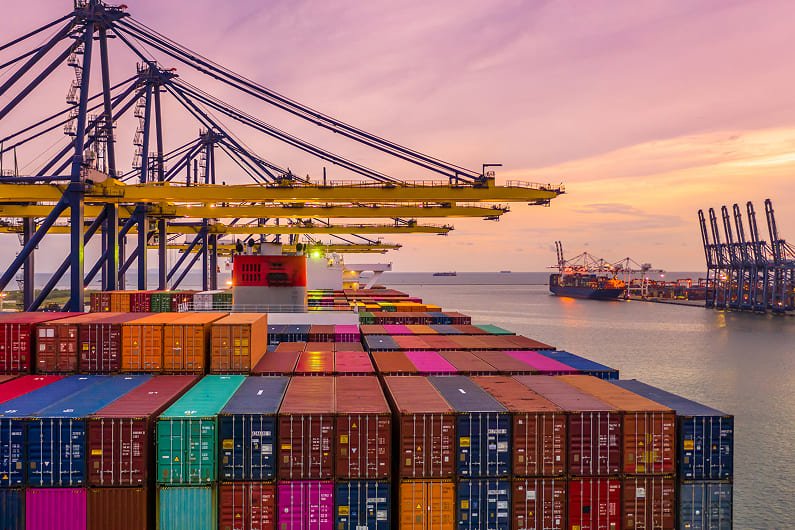
Maximum Weight for a 20ft Container
When planning an international shipment, container size is only one part of the calculation. The weight of the cargo is equally important.
For businesses using a 20ft container, one of the most common questions is:
How much weight can a 20ft container actually carry?
The answer depends on the difference between the container’s maximum gross weight, tare weight and payload capacity. Understanding these terms can help importers and exporters plan cargo more accurately and avoid weight-related problems during transportation.
What Is the Maximum Weight of a 20ft Container?
A standard 20ft dry container is commonly rated for a maximum gross weight of 30,480 kg (67,200 lb). Maximum gross weight means the combined weight of the empty container and its cargo.
However, this does not mean you can load 30,480 kg of goods into the container.
The container itself has weight, which must be deducted from the maximum gross weight to determine the available payload.
For example, ONE lists a standard 20ft dry container with a tare weight of 2,150 kg and a payload of 28,330 kg. Seaco lists a 2,080 kg tare and 28,400 kg payload for its 20ft standard container.
This is why the exact container specification should always be checked before loading.
Understanding the Three Important Weight Terms
When discussing 20ft container maximum weight, it is important to understand three different figures.
1. Tare Weight
Tare weight is the weight of the empty container.
A standard 20ft dry container may weigh around 2,000–2,400 kg depending on its design, manufacturer and equipment specification.
The exact figure is marked on the individual container.
2. Maximum Gross Weight
Maximum gross weight is the total permitted weight of:
Container + Cargo
For many standard 20ft dry containers, this is around 30,480 kg.
3. Payload Capacity
Payload is the maximum weight of the cargo that can be loaded into the container after accounting for the container’s own tare weight.
A standard 20ft container can therefore have a payload of roughly 28 tonnes, although the exact permitted payload varies according to the container specification.
Quick Example
Suppose a particular 20ft container has:
- Maximum gross weight: 30,480 kg
- Tare weight: 2,150 kg
The theoretical payload would be:
30,480 kg − 2,150 kg = 28,330 kg
So, in this example, the container can carry approximately 28.33 tonnes of cargo.
This is why businesses should not simply assume that every 20ft container can carry exactly the same cargo weight.
Is 28 Tonnes Always the Actual Allowable Cargo Weight?
Not necessarily.
The container’s technical payload is only one part of the weight calculation.
The actual permitted shipment weight can also depend on the shipping line, route, port, road transportation regulations, cargo characteristics and local restrictions.
For example, the maximum weight permitted for the ocean leg may differ from the maximum weight allowed during the road journey between a warehouse and port.
A carrier may also impose its own operational restrictions.
Therefore, businesses should confirm the permitted weight with their freight forwarder and carrier before loading heavy cargo.
Why the Container’s CSC Plate Matters
Every approved shipping container has a safety approval plate, commonly known as the CSC plate.
It contains important information about the container, including its maximum allowable gross weight.
Because containers can differ in tare weight and specifications, the information on the specific container should take priority over a general online estimate.
For heavy cargo, checking the container’s identification and weight information before loading is an important part of safe shipping.
What Happens If a Container Is Overweight?
Overloading a container can create operational and safety problems.
Potential consequences can include:
- Shipment delays
- Additional charges
- Repacking or unloading requirements
- Problems at ports or terminals
- Road transportation restrictions
- Safety risks during handling
- Refusal by a carrier to accept the cargo
An overweight container may also create problems when it is transported by truck because road weight restrictions can be different from the container’s maximum technical rating.
This is why weight planning should be completed before the cargo reaches the port.
Weight Is Not the Only Limitation
A 20ft container may have sufficient weight capacity but still not be suitable for a particular shipment.
Businesses also need to consider:
Volume: A standard 20ft dry container has an internal capacity of roughly 33 cubic metres, depending on the specific container.
Cargo dimensions: Oversized goods may not fit through the standard container door.
Cargo characteristics: Some goods may require specialised containers or handling.
Weight distribution: Cargo should be loaded and distributed appropriately rather than concentrating excessive weight in one area.
Packaging: Packaging and pallets also contribute to the overall cargo weight.
A suitable container should therefore be selected based on both weight and volume.
20ft Container vs 40ft Container for Heavy Cargo
Interestingly, choosing a larger container does not automatically mean you can carry twice as much weight.
Standard 20ft and 40ft containers can have similar maximum gross weight ratings, while their tare weights differ. As a result, a 20ft container can sometimes provide a higher payload capacity for dense or heavy cargo.
For example, ONE lists a 20ft dry container with a 28,330 kg payload, while the 40ft dry container on the same specification has a lower payload of 26,650 kg.
This is one reason container selection should be based on the actual cargo rather than simply choosing the largest available container.
How a Freight Forwarder Can Help
Calculating cargo weight before shipment can help businesses select the appropriate container and transportation method.
A freight forwarding partner can help coordinate:
- Container selection
- Cargo planning
- Weight and volume considerations
- Sea freight arrangements
- Documentation
- Customs clearance
- Port coordination
- Land transportation
- Final delivery
This can help reduce the risk of discovering weight or transportation issues after the cargo has already been prepared.
Nahra Logistics & Trading Company
At Nahra Logistics & Trading Company, we help businesses coordinate international cargo movement based on their shipment requirements.
Our services include international freight forwarding, sea freight, air freight, land transportation, customs clearance, cargo packaging, warehousing, import and export solutions and door-to-door delivery.
Whether you are shipping a small commercial consignment or planning a full container shipment, proper cargo planning is essential for a smooth logistics process.
The Bottom Line
So, what is the maximum weight for a 20ft container?
A standard 20ft dry container is commonly rated for approximately 30,480 kg of maximum gross weight, including the container itself. The actual cargo payload is typically around 28 tonnes, but the exact figure depends on the individual container’s tare weight and specifications.
Always check the container’s CSC plate and confirm the applicable carrier, port and road transportation limits before loading heavy cargo.
For importers and exporters, accurate weight planning is not just about avoiding additional charges. It is an important part of safe, compliant and efficient international shipping.
Nahra Logistics & Trading Company — helping businesses move cargo with better planning and reliable logistics support.
About The Nahra logistics & trading
Nahra Logistics & Trading provides reliable freight forwarding, customs clearance, warehousing, and supply chain solutions, ensuring safe and timely cargo movement across domestic and international markets.