

Swap Body from Oman and the UAE to worldwide
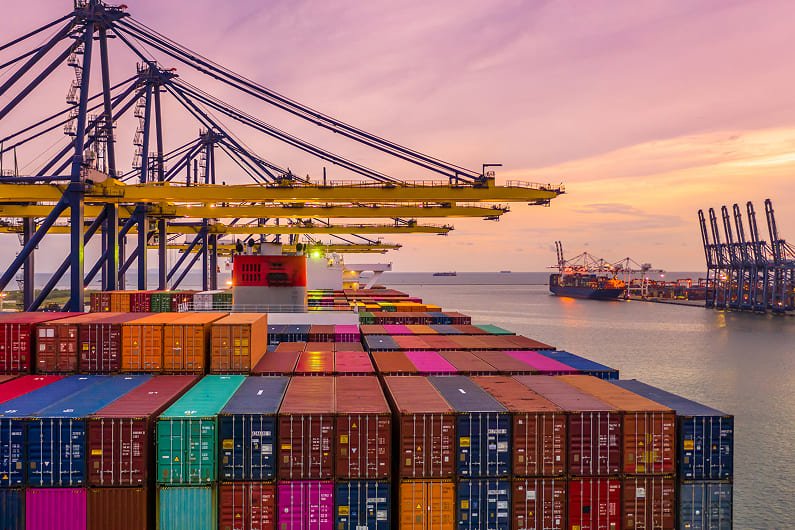
Swap Body Shipping from Oman and the UAE
Efficient cargo transportation is essential for businesses managing distribution networks, industrial shipments, and cross-border logistics. Swap body systems offer a flexible solution for moving goods between road and rail transport, helping logistics operators improve vehicle utilisation and streamline cargo handling.
Swap body shipping from Oman and the UAE to worldwide destinations can support businesses seeking flexible intermodal transportation solutions for suitable cargo. By understanding how swap bodies work, their benefits, and their transportation requirements, businesses can make informed decisions when planning international freight movements.
Nahra Logistics provides international freight forwarding and logistics support for businesses with different transportation requirements. Choosing the right equipment and transport arrangement depends on cargo specifications, route availability, and the infrastructure available at the origin and destination.
What Is a Swap Body?
A swap body is a removable cargo unit designed primarily for intermodal transportation, particularly between road and rail. Unlike a conventional freight container, many swap bodies are designed with folding support legs, allowing the unit to be detached from a vehicle without requiring the entire truck to remain in place.
Swap bodies are widely used in logistics networks where cargo needs to move between different transport modes. They can help operators transfer loads efficiently between vehicles and terminals, depending on the equipment design and handling facilities.
Common applications include:
Palletised commercial goods
Packaged consumer products
Industrial materials
Retail and distribution cargo
General dry freight
Selected temperature-controlled goods, when suitable equipment is available
Not every swap body is suitable for international sea freight. Businesses should confirm whether the equipment can be transported on the intended vessel and accepted by the relevant carrier and terminals.
Why Use Swap Body Transportation?
Swap body systems can offer several advantages for businesses operating suitable road and intermodal freight networks.
1. Flexible Cargo Transfers
Swap bodies can be detached from one compatible vehicle and connected to another, allowing cargo units to be transferred without unloading and reloading individual packages in suitable operations.
2. Improved Vehicle Utilisation
While one swap body is being loaded or unloaded, a vehicle may be available for another task. This can help logistics operators manage fleet utilisation more efficiently.
3. Support for Intermodal Logistics
Swap bodies are commonly used in road-rail transport systems. Where compatible infrastructure and services exist, they can help businesses combine transport modes as part of a wider logistics plan.
4. Suitable for Distribution Networks
Businesses moving packaged goods between warehouses, distribution centres, and regional terminals may benefit from removable cargo units that support scheduled freight operations.
5. Flexible Operational Planning
Separating the cargo unit from the vehicle can help businesses coordinate loading, storage, and transportation activities independently, subject to the equipment and terminal arrangements.
Swap Body Shipping from Oman
Oman supports regional and international trade through its road networks, ports, and logistics infrastructure. Businesses operating distribution and freight networks may consider swap body systems for suitable domestic or regional transport operations.
When planning a shipment from Oman, the first step is to identify whether the cargo movement is best suited to road transport, road-rail intermodal services, or a combination of transport modes.
For international sea freight, the compatibility of the swap body must be verified. Many swap bodies are designed primarily for road and rail use and may not be approved for lifting or securing on a vessel in the same way as standard ISO shipping containers.
Businesses should therefore confirm equipment specifications, terminal handling arrangements, carrier acceptance, and any requirements for transferring cargo into a sea-freight container before booking.
Swap Body Shipping from the UAE
The UAE is an important regional logistics hub serving businesses involved in distribution, manufacturing, retail, and international trade.
Swap body systems may be useful for suitable road freight and intermodal operations connecting warehouses, industrial facilities, and logistics terminals. Their practicality depends on the availability of compatible vehicles, handling equipment, and transport infrastructure.
For shipments from the UAE to overseas destinations, businesses should determine whether a swap body can be used for the entire route or whether the cargo must be transferred into a conventional container or another approved transport unit for the sea freight leg.
Planning these details in advance can help businesses evaluate handling requirements, transfer costs, and delivery schedules.
Swap Bodies and International Freight Transportation
Swap bodies are primarily associated with road and rail transportation, whereas standard ISO containers are widely used in international maritime freight.
The distinction is important when planning shipments from Oman and the UAE to worldwide destinations.
Road Transportation
Swap bodies can be used in compatible road freight networks to move cargo between warehouses, distribution centres, and terminals. Their removable design can help coordinate loading and vehicle operations.
Rail Transportation
Where suitable intermodal rail infrastructure and compatible equipment are available, swap bodies can be transferred between road vehicles and rail services. Route availability must be checked for the origin, destination, and intended transit corridor.
Sea Freight Connections
For international ocean shipping, businesses must verify whether the specific swap body is approved for maritime transport and compatible with the vessel and terminal handling systems. If it is not, the cargo may need to be transferred into a standard shipping container or another approved unit.
The most appropriate arrangement depends on the route, cargo characteristics, available equipment, and total logistics cost.
Types of Cargo Suitable for Swap Body Systems
Swap bodies are generally used for cargo that can be loaded securely and transported within the equipment’s design limits.
Examples include:
Cartons and palletised products
Packaged retail and consumer goods
Industrial components
General dry freight
Distribution and warehouse cargo
Selected temperature-sensitive goods in appropriately equipped units
Cargo dimensions, payload limits, loading access, and securing requirements should be checked before selecting a swap body. Dangerous goods and specialised commodities may require additional equipment approvals and compliance checks.
Documents Required for International Cargo Movements
Documentation requirements depend on the cargo, transport modes, countries involved, and applicable regulations. Common documents may include:
Commercial invoice: Describes the goods and their declared value.
Packing list: Specifies quantities, packaging, and shipment weights.
Transport documents: Road consignment notes, rail documents, or bills of lading may apply to different transport legs.
Customs declarations: Support export, transit, and import clearance.
Certificate of origin: May be required depending on the destination and trade arrangements.
Permits and additional certificates: May apply to regulated goods or specific routes.
Businesses should confirm documentation requirements with their freight forwarder, carriers, customs brokers, and relevant authorities before dispatch.
Factors Affecting Swap Body Shipping Costs
The total cost of a swap body movement depends on several operational factors.
Cargo volume and weight: These determine equipment suitability and transport requirements.
Origin and destination: Distance, route availability, and terminal access affect transportation costs.
Transport mode: Road, rail, sea freight, or combined arrangements have different cost structures.
Equipment availability: Compatible swap bodies, vehicles, and handling equipment may affect pricing.
Cargo transfer requirements: Transferring goods into another transport unit may add handling and labour costs.
Storage and terminal charges: Warehousing, loading, unloading, and terminal services may contribute to the total.
Customs and documentation: Clearance services, permits, duties, and taxes may apply.
Providing complete cargo information and the intended route helps logistics providers determine the most suitable arrangement and prepare an accurate quotation.
How Nahra Logistics Can Support Your Shipment
Nahra Logistics provides international freight forwarding support for businesses transporting goods from Oman and the UAE to worldwide markets.
Businesses considering swap body transportation can discuss their cargo requirements, road freight arrangements, intermodal options, international container compatibility, documentation, and onward delivery needs.
Because swap bodies are not universally interchangeable with standard shipping containers, the equipment and transport plan must be confirmed for each route. Where a swap body is unsuitable for the maritime leg, an alternative container or cargo transfer arrangement may be necessary.
Early planning helps businesses understand the available options and coordinate transportation across the supply chain.
Conclusion
Swap body transportation can provide flexibility for suitable road freight and intermodal logistics operations. For businesses shipping from Oman and the UAE to worldwide destinations, the key consideration is determining whether the swap body can be used throughout the intended route or whether cargo transfer to another approved transport unit is required.
Nahra Logistics can help businesses explore freight forwarding options based on their cargo, origin, destination, and transport requirements. Contact Nahra Logistics to discuss your shipment and request a tailored logistics quotation.
About The Nahra logistics & trading
Nahra Logistics & Trading provides reliable freight forwarding, customs clearance, warehousing, and supply chain solutions, ensuring safe and timely cargo movement across domestic and international markets.