

OMAN TO UAE NON-OIL EXPORTS
- Home
- International Freight Forwarding
Air Freight • Sea Freight • Customs Clearance • End-to-End Logistics
OMAN TO UAE NON-OIL EXPORTS
Oman and the United Arab Emirates share strong regional trade links, creating opportunities for businesses exporting non-oil products across the Gulf. Efficient freight forwarding helps exporters move commercial goods with appropriate transport planning, cargo handling, and customs documentation.
Nahra Shipping can help businesses assess logistics requirements for non-oil exports from Oman to the UAE, subject to cargo type, route, and service availability. Whether you are shipping industrial materials, metal products, plastics, electrical equipment, or other eligible commercial goods, choosing a suitable logistics plan is essential for smooth cargo movement.
Non-Oil Export Logistics from Oman to the UAE
Non-oil exports cover a wide range of products manufactured, processed, or traded outside the oil and gas sector. Oman’s non-oil trade with the UAE includes categories such as metal and chemical industry products. <Cite refs={["turn299209search0","turn299209search12"]}/>
Nahra Shipping can assess suitable freight options based on shipment size, cargo characteristics, delivery location, and documentation requirements.
Types of Non-Oil Cargo
Depending on the shipment and applicable regulations, non-oil export cargo may include:
Iron and steel products: Metal bars, steel sections, and other industrial materials.
Plastics and plastic products: Commercial plastic materials and manufactured plastic articles.
Electrical equipment: Eligible electrical components, cables, and related products.
Machinery and industrial goods: Equipment, mechanical components, and manufacturing supplies.
Minerals and mineral products: Approved mineral materials and related industrial cargo.
Chemical products: Eligible commercial chemicals, subject to classification and any required permits.
Agricultural and food products: Permitted products requiring suitable packaging and any applicable health or phytosanitary documentation.
The exact cargo acceptance, permits, and transport arrangements depend on the commodity, HS code, and current import and export rules.
Freight Forwarding Options from Oman to the UAE
Selecting the right transportation method can help businesses balance cost, delivery requirements, and cargo handling needs.
Road Freight
Road freight may be suitable for commercial shipments moving between Oman and the UAE. It can be considered for palletised goods, industrial materials, packaged products, and other eligible cargo. The final arrangement depends on the origin, destination, vehicle requirements, border procedures, and customs clearance.
Sea Freight
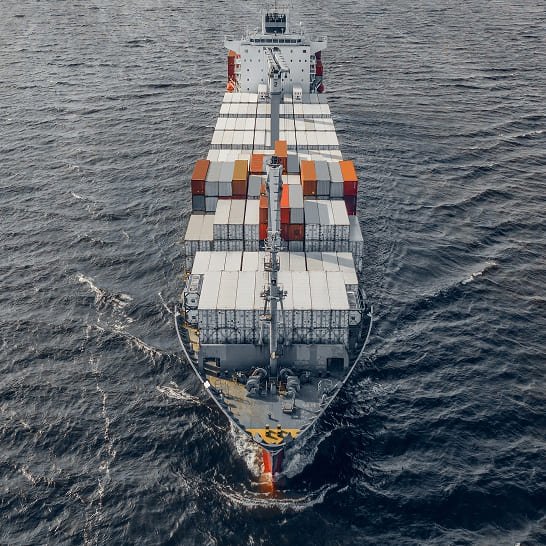
Sea freight may be suitable for larger consignments, heavy cargo, and containerised shipments when the selected ports and sailing schedules support the movement. Full Container Load (FCL) and Less than Container Load (LCL) options may be evaluated where available.
Air Freight
Air freight may be considered for urgent, lightweight, or high-value non-oil products that meet airline acceptance requirements. The choice depends on cargo dimensions, weight, handling restrictions, flight availability, and delivery priorities.
Customs Documentation for Non-Oil Exports
Accurate paperwork helps reduce avoidable clearance issues. The documents required for an Oman-to-UAE shipment vary according to the product, trade arrangement, and applicable regulations.
Common documents may include:
Commercial invoice
Packing list
Certificate of origin, where required
Transport document, such as a road consignment note, bill of lading, or air waybill
Export and import customs declarations
Product-specific permits, licences, or certificates, where applicable
Certain chemical, agricultural, food, and other regulated products may require additional approvals or inspections. Exporters should confirm the current requirements with the relevant customs authorities and their logistics provider before dispatch. <Cite refs={["turn299209search1","turn299209search6"]}/>
Cargo Packaging and Handling
Proper packaging helps protect goods during loading, transportation, border handling, and unloading. Packaging should be selected according to the cargo’s weight, dimensions, fragility, and handling requirements.
For industrial materials, exporters should consider secure palletisation, suitable wrapping, load restraint, and clear cargo labelling. Sensitive electrical equipment may need protective packaging, while chemical products must meet the packaging and handling rules applicable to their classification.
Providing accurate cargo details before booking helps the logistics team assess suitable transport equipment and handling arrangements.
Factors Affecting Shipping Costs from Oman to the UAE
The cost of exporting non-oil products depends on several shipment-specific factors, including:
Cargo type and commodity classification
Total weight, volume, and dimensions
Collection and delivery locations
Road, sea, or air freight selection
Container or vehicle requirements
Customs clearance and documentation
Special handling, permits, or inspections
Insurance and additional service requirements
For a more accurate quotation, provide the cargo description, packing details, origin, destination, shipment weight and dimensions, and preferred dispatch date. Rates and transit times should be confirmed for the specific shipment.
Why Consider Nahra Shipping?
Choosing a suitable freight forwarding partner helps businesses coordinate shipment planning and understand the logistics requirements for cross-border trade.
Nahra Shipping can discuss your Oman-to-UAE non-oil export requirements and assess an appropriate shipping arrangement based on your cargo and route.
Businesses can request support with:
Reviewing cargo and transport requirements
Assessing suitable freight options
Identifying likely documentation needs
Planning cargo handling and dispatch
Requesting a shipment-specific quotation
Service availability, transit schedules, and final arrangements must be confirmed before booking.
Ship Non-Oil Export Cargo from Oman to the UAE
Planning a commercial shipment from Oman to the UAE? Contact Nahra Shipping to discuss your cargo details and request a freight quotation. Share your product description, shipment dimensions, weight, collection location, and delivery address to help assess a suitable logistics solution.
Nahra Shipping — Freight Forwarding Solutions for Regional Trade.
Frequently Asked Questions
What are non-oil exports from Oman to the UAE?
Non-oil exports are goods traded outside the oil and gas sector. They can include metal products, plastics, electrical equipment, industrial materials, and other eligible commodities.
Which freight options are available from Oman to the UAE?
Road freight may be suitable for cross-border cargo, while sea freight and air freight can be assessed depending on the shipment, route, cargo requirements, and service availability.
What documents are required for non-oil exports?
Common documents include a commercial invoice, packing list, transport document, and applicable customs declarations. Certificates, permits, or licences may also be required depending on the goods.
How is the freight cost calculated?
Shipping costs depend on cargo type, weight, dimensions, transport mode, origin and destination, handling requirements, and customs-related services.
How can I request a quotation?
Provide the cargo description, weight, dimensions, pickup location, delivery location, and preferred shipping date to Nahra Shipping so the shipment requirements can be assessed.
Shipments Delivered
Customer Satisfaction
Industries Served
Proven Performance
Our numbers speak for our commitment and results
Nahra Logistics & Trading combines a strong GCC network, experienced logistics professionals, competitive pricing, secure cargo handling, personalized customer service, and end-to-end freight forwarding solutions to support your international shipping needs.