

Chemicals Dangerous goods from Oman and the UAE to worldwide
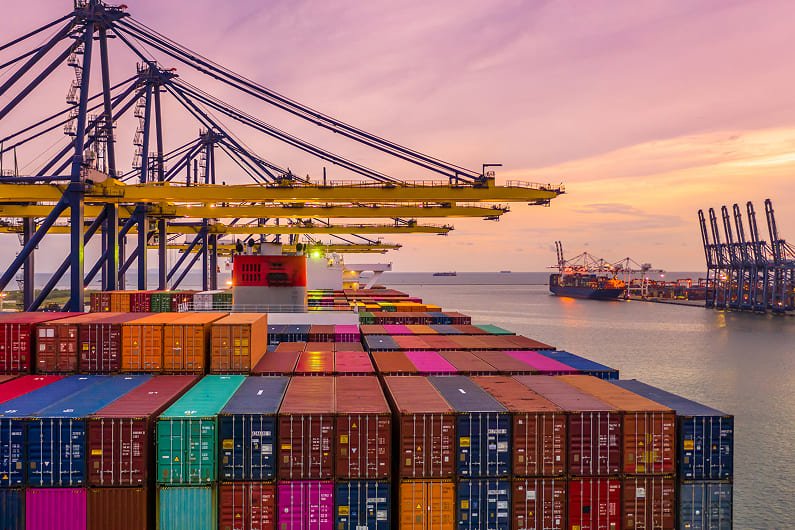
Chemical and Dangerous Goods Shipping from Oman and the UAE to Worldwide
International chemical shipping plays an important role in industries such as manufacturing, construction, healthcare, agriculture, oil and gas, and industrial production. Businesses in Oman and the United Arab Emirates (UAE) export and distribute various chemical products to international markets, making safe and compliant cargo transportation an important part of global trade.
However, shipping chemicals internationally requires careful preparation. Some products are classified as dangerous goods because of their flammability, corrosiveness, toxicity, reactivity, or other hazardous properties. Exporters must understand the applicable transport regulations, packaging requirements, documentation, and carrier restrictions before arranging a shipment.
For businesses planning chemical and dangerous goods shipping from Oman and the UAE to worldwide destinations, a well-organised logistics plan can help reduce avoidable delays and support safer cargo movement.
What Are Chemicals and Dangerous Goods in Shipping?
Chemicals are used in many commercial and industrial applications, but not every chemical is classified as dangerous goods for transportation. Classification depends on the substance’s properties and the relevant regulatory criteria.
Dangerous goods may include:
Flammable liquids, solvents, and industrial chemicals
Corrosive acids and alkaline substances
Toxic chemicals and certain chemical compounds
Oxidising substances and reactive materials
Certain gases, aerosols, and hazardous mixtures
Chemicals that present environmental hazards during transport
Each product must be assessed individually. Its classification determines the applicable transport conditions, including packaging, labelling, documentation, handling, and carrier acceptance.
Why Does Dangerous Goods Shipping Require Special Planning?
Chemical cargo can pose risks to people, equipment, other goods, and the environment if it is incorrectly classified, packaged, or handled.
International transport regulations establish requirements for managing these risks. For air freight, the International Air Transport Association’s (IATA) Dangerous Goods Regulations address classification, packaging, marking, labelling, and documentation. For packaged dangerous goods transported by sea, the International Maritime Organization’s (IMO) International Maritime Dangerous Goods (IMDG) Code provides the relevant framework.
The exact requirements depend on the chemical, its quantity, packaging, transport method, route, and applicable regulations. Some substances may be restricted or prohibited by individual carriers.
Therefore, exporters should confirm the product’s classification and transport eligibility before booking cargo.
Shipping Chemicals from Oman and the UAE to Worldwide Destinations
Oman and the UAE connect businesses with markets across the Middle East, Europe, Asia, Africa, and other regions. Selecting an appropriate shipping method depends on the shipment’s characteristics, delivery schedule, volume, destination, and regulatory requirements.
1. Air Freight for Eligible Chemical Shipments
Air freight may be suitable for certain chemical consignments requiring faster transportation. However, dangerous goods cannot automatically be booked as ordinary air cargo.
Before arranging air freight, businesses must confirm the chemical’s classification, applicable quantity limits, packaging instructions, required declarations, and airline acceptance. Some substances may only be transported under specific conditions, while others may be forbidden on particular aircraft.
Accurate product information helps determine whether air transportation is a suitable option.
2. Sea Freight for Commercial Chemical Cargo
Sea freight may be appropriate for eligible chemical shipments, including certain packaged consignments and larger commercial quantities.
The IMDG Code establishes requirements for packaged dangerous goods carried by sea, including applicable packaging, marking, documentation, stowage, and segregation provisions. Incompatible substances may need to be separated to reduce the risk of dangerous reactions.
Liquid chemicals transported in bulk require a different assessment and may be subject to additional vessel and cargo requirements.
Businesses should confirm shipping line acceptance, handling arrangements, and destination requirements before dispatch.
3. Road Freight and Multimodal Transportation
Road freight can support cargo movement between industrial facilities, warehouses, ports, airports, and regional destinations. Multimodal transportation may combine road, sea, and air services to meet a shipment’s delivery and operational requirements.
For regulated chemicals, the relevant rules must be checked for each transport leg and transit country. Proper coordination helps businesses understand the requirements before the shipment begins moving.
Essential Documents for Chemical and Dangerous Goods Shipping
Documentation is a critical part of international chemical logistics. Depending on the product and shipment, exporters may need the following:
Safety Data Sheet (SDS): Provides information about the chemical’s hazards, handling precautions, and other safety characteristics. Transport classification should be verified where necessary; an SDS alone does not replace all required transport documentation.
Dangerous goods declaration: Required when applicable under the relevant transport regulations. The document must accurately identify the shipment and its classification.
Commercial invoice and packing list: Record the product description, quantity, value, package details, and other relevant transaction information.
Transport documents: An air waybill, sea transport document, or applicable road transport document supports the movement of cargo.
Export and import documentation: Customs declarations, permits, certificates, or other approvals may be necessary depending on the product and destination.
Incorrect or incomplete documents can result in additional checks, rejected bookings, or delays. Exporters should ensure that the information provided to their freight forwarder matches the actual cargo.
Packaging and Handling Requirements
Chemical packaging must be suitable for the product and comply with the applicable transport requirements. Depending on the classification, this may involve approved packaging specifications, compatible containers, secure closures, prescribed marks, and hazard labels.
Businesses should also consider leakage prevention, package condition, storage compatibility, and handling instructions. Certain chemicals must be segregated from incompatible cargo, while temperature-sensitive products may require additional controls.
Packaging should be checked before dispatch, and any applicable dangerous goods preparation must be completed by appropriately trained personnel.
Common Mistakes to Avoid
Businesses shipping chemicals internationally should avoid these common errors:
Declaring hazardous chemicals as general cargo without proper assessment.
Using an incorrect or incomplete dangerous goods classification.
Providing outdated or insufficient product documentation.
Selecting packaging that does not meet applicable requirements.
Overlooking carrier restrictions and transit-country rules.
Failing to account for handling charges, permits, and destination requirements.
Planning these details in advance helps businesses identify potential issues before cargo reaches the airport, port, or transport terminal.
How Nahra Logistics Supports International Cargo Planning
Chemical shipments require coordination between exporters, transport providers, customs representatives, and other parties involved in the supply chain.
Nahra Logistics supports international freight forwarding and cargo movement for businesses arranging shipments from Oman and the UAE to worldwide destinations. Depending on the product, applicable regulations, and available carrier services, businesses can discuss suitable freight options and the coordination needed for their cargo.
To begin planning a shipment, exporters should prepare the product name, SDS, transport classification if available, package dimensions, gross weight, shipment quantity, origin, destination, and preferred delivery schedule. This information helps establish the requirements that must be confirmed before booking.
Dangerous goods acceptance and any specialised handling arrangements must always be verified for the specific shipment.
Conclusion
Chemical and dangerous goods shipping from Oman and the UAE to worldwide destinations requires accurate classification, compliant packaging, complete documentation, and careful transport planning.
Whether businesses are moving industrial chemicals, solvents, or other regulated products, understanding the applicable requirements before dispatch can help reduce avoidable complications and support more organised international logistics.
Nahra Logistics can be a point of contact for businesses looking to discuss international freight forwarding requirements for chemical cargo and explore suitable transportation options.
About The Nahra logistics & trading
Nahra Logistics & Trading provides reliable freight forwarding, customs clearance, warehousing, and supply chain solutions, ensuring safe and timely cargo movement across domestic and international markets.