

Dubai to China Sea Freight: Cost, Transit Time & Shipping Guide
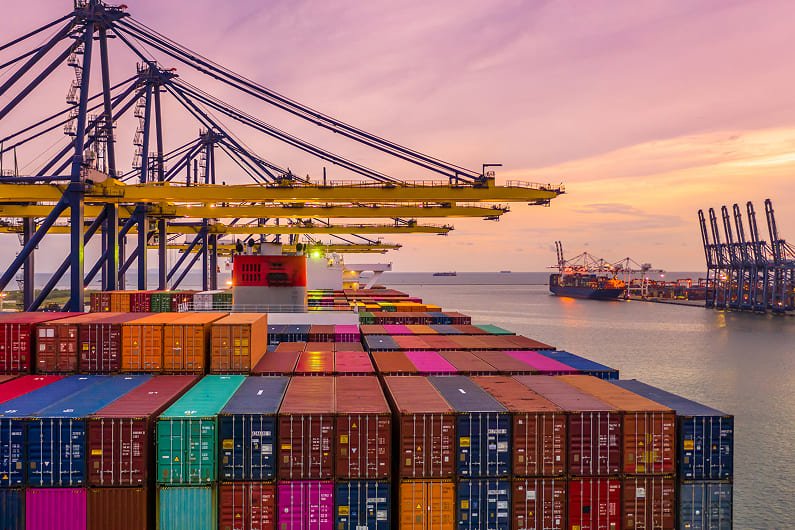
Dubai to China Sea Freight
Dubai is one of the major logistics hubs connecting businesses in the Middle East with international markets. For companies shipping commercial cargo to China, Dubai to China sea freight offers a practical option for moving containers, bulk commercial goods, machinery, raw materials and other cargo at a lower cost than air freight.
Jebel Ali Port plays a central role in Dubai’s maritime connectivity, with more than 80 weekly services connecting it with over 150 ports globally. Dubai also has established maritime connections with important Chinese gateways, including Ningbo-Zhoushan.
If you are planning to ship cargo from Dubai to China, understanding the shipping cost, transit time, container options, documentation and customs process can help you plan your supply chain more effectively.
How Does Dubai to China Sea Freight Work?
The process generally begins with cargo collection from the supplier, warehouse or business location in Dubai. The shipment is then prepared for export, packed into an appropriate container and transported to the port.
For many shipments, Jebel Ali Port is the main departure gateway. Depending on the shipping service and destination, the cargo may travel directly to a Chinese port or move through a transshipment hub.
After arriving in China, the shipment goes through import procedures before being released for onward delivery to the consignee’s warehouse, factory, distribution centre or other destination.
A freight forwarder can coordinate these stages, including booking, documentation, customs coordination, container handling and inland transportation.
Which Chinese Ports Can Receive Cargo from Dubai?
The best destination port depends on the location of the supplier or buyer in China.
Common Chinese ports include:
- Ningbo-Zhoushan – important for businesses in Zhejiang and surrounding manufacturing regions
- Shanghai – suitable for cargo destined for eastern China
- Shenzhen – useful for southern China and nearby manufacturing centres
- Guangzhou/Nansha – another important gateway for southern China
- Qingdao – useful for northern and northeastern markets
- Tianjin – suitable for cargo moving towards northern China
The correct port can make a significant difference to inland transportation costs and overall delivery time.
For example, DP World and Zhejiang Seaport Group announced cooperation aimed at strengthening shipping connectivity between Jebel Ali and Ningbo-Zhoushan, demonstrating the importance of this trade corridor.
FCL vs LCL: Which Shipping Option Is Better?
Businesses generally choose between Full Container Load (FCL) and Less than Container Load (LCL).
FCL Shipping
FCL means the exporter uses an entire container for the shipment. It is generally suitable when the cargo volume is large enough to justify a dedicated container.
Advantages include:
- Better control over the cargo
- Lower handling compared with consolidated shipments
- Reduced exposure to other cargo
- Suitable for larger commercial shipments
- Easier planning for regular container movements
LCL Shipping
LCL allows businesses to share container space with cargo belonging to other shippers.
It can be useful when the shipment does not require a full container. However, additional consolidation and deconsolidation handling may affect the overall transit time and charges.
The right choice depends on cargo volume, weight, product characteristics, destination and delivery requirements.
How Much Does Dubai to China Sea Freight Cost?
There is no single fixed Dubai to China sea freight cost. The final price depends on several factors.
Important cost factors include:
- Container size – 20ft and 40ft containers have different rates.
- FCL or LCL – shared-container shipments are priced differently from full-container movements.
- Cargo type – general, hazardous, temperature-sensitive or oversized cargo may require special handling.
- Destination port – shipping to Ningbo, Shanghai, Shenzhen or another port can have different charges.
- Freight market conditions – carrier rates can change according to capacity and demand.
- Origin and destination charges – terminal handling, documentation and other local charges may apply.
- Customs clearance – export and import procedures can add service and government-related costs.
- Inland transportation – moving cargo between the warehouse and port, or from the Chinese port to the final destination, affects the total logistics cost.
- Cargo dimensions and weight – particularly important for LCL, heavy or oversized shipments.
- Insurance and additional services – cargo insurance, warehousing, inspection and special handling may increase the total cost.
For this reason, businesses should compare the complete landed logistics cost, rather than selecting a freight quote based only on the ocean freight component.
How Long Does Dubai to China Sea Freight Take?
Transit time depends on the Chinese destination, vessel schedule, routing, transshipment requirements, port congestion and customs clearance.
As a general planning principle, businesses should expect ocean freight to take several weeks rather than several days. The actual transit time should be confirmed against the selected carrier’s current sailing schedule.
A direct or well-connected service may provide a shorter transit time, while transshipment, port congestion, documentation issues or customs delays can extend the overall journey.
It is also important to distinguish port-to-port transit time from total door-to-door delivery time. Cargo may require additional time for export clearance, loading, discharge, import clearance and inland transportation.
What Documents Are Required?
Correct documentation is essential for international shipping from Dubai to China.
Depending on the cargo and transaction, documents may include:
- Commercial invoice
- Packing list
- Bill of Lading
- Certificate of Origin
- Export documentation
- Import documentation
- Customs declarations
- Product-specific certificates or permits
- Insurance documents, where applicable
The exact requirements can vary according to the commodity, destination, trade arrangement and applicable regulations.
Incorrect product descriptions, inconsistent quantities, missing documents or inaccurate values can cause customs queries and shipment delays.
Customs Clearance for Dubai to China Shipments
Customs clearance is an important part of the shipping process.
Before cargo arrives, the importer should ensure that the necessary documentation and product information are ready. Classification, declared value, origin and applicable import requirements should be reviewed carefully.
Working with an experienced freight forwarding and customs team can help identify documentation requirements before the cargo reaches the destination port.
This is particularly important for regulated, technical, food, chemical, electronic or other specialised products that may have additional compliance requirements.
How to Reduce Delays in Dubai to China Shipping
Good preparation can prevent many avoidable shipping problems.
Book Cargo in Advance
Last-minute bookings can reduce your choice of sailing schedules and container availability. Advance planning gives you more flexibility.
Verify Cargo Details
Provide accurate information about cargo description, dimensions, weight, packaging and value before booking.
Prepare Documents Early
Review invoices, packing lists and other required documents before the shipment is handed over to the carrier.
Select the Right Chinese Port
The cheapest ocean freight is not always the cheapest overall option. Consider the final delivery location and inland transportation cost before choosing the destination port.
Plan for the Complete Journey
Consider the entire movement from warehouse to port, ocean transport, destination clearance and final delivery rather than looking at sea freight alone.
Why Use a Freight Forwarder for Dubai to China Shipping?
International shipping involves several parties, including exporters, importers, shipping lines, terminals, customs authorities, transport providers and warehouses.
A freight forwarder can coordinate these activities and help businesses select suitable shipping options based on cargo requirements.
For Dubai to China shipments, freight forwarding support can include:
- Freight quotation and planning
- FCL and LCL booking
- Container coordination
- Export documentation
- Customs coordination
- Cargo tracking
- Port handling
- Destination coordination
- Inland transportation
- Door-to-door logistics
Jebel Ali’s combination of sea, air and land connectivity makes Dubai particularly suitable for integrated logistics operations.
Dubai to China Sea Freight with Nahra
For businesses moving cargo between Dubai and China, the right logistics strategy should balance cost, transit time, cargo safety and delivery requirements.
Nahra Logistics & Trading Company provides freight forwarding and logistics solutions designed around the specific requirements of each shipment. From container booking and documentation to customs coordination and final delivery, an integrated approach can make international cargo movement easier to manage.
Whether you require FCL, LCL, port-to-port or door-to-door transportation, the shipping plan should be selected according to your cargo, destination and delivery priorities.
Conclusion
Dubai to China sea freight is a practical solution for businesses moving commercial cargo between the UAE and Chinese markets. With Jebel Ali providing extensive global maritime connectivity and established links with Chinese ports, businesses can choose from different container and routing options.
The final shipping cost and transit time depend on factors such as container type, cargo characteristics, destination port, carrier schedule, customs procedures and inland delivery.
Planning the complete logistics journey in advance—and working with a reliable freight forwarding partner—can help businesses control costs, reduce avoidable delays and keep international shipments moving efficiently.
About The Nahra logistics & trading
Nahra Logistics & Trading provides reliable freight forwarding, customs clearance, warehousing, and supply chain solutions, ensuring safe and timely cargo movement across domestic and international markets.