

Dubai to India Sea Freight: Complete Shipping Guide
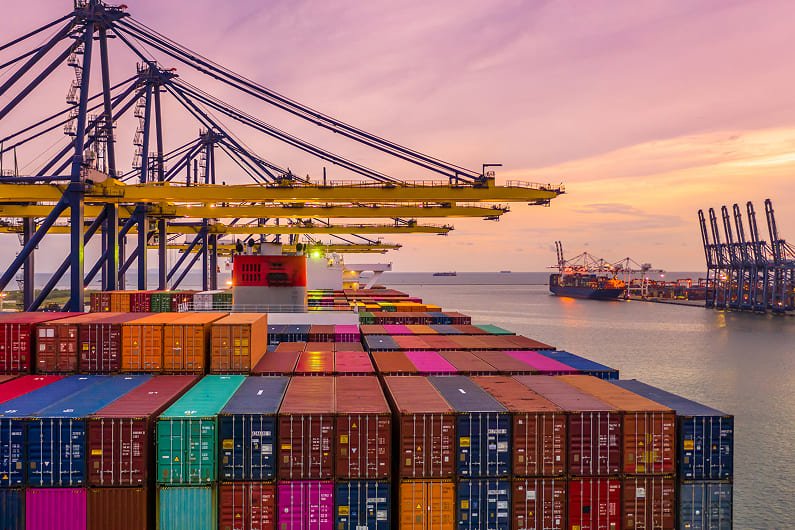
Dubai to India Sea Freight
Dubai and India have strong commercial and maritime connections, making sea freight an important option for businesses moving goods between the UAE and Indian markets. From commercial products and machinery to raw materials, retail goods and project cargo, businesses can use Dubai to India sea freight for both regular and large-volume shipments.
Jebel Ali is a major departure point for cargo moving from Dubai, while Indian gateways such as Nhava Sheva, Mundra and Cochin serve different regional markets. Existing services demonstrate direct and regional connectivity between Jebel Ali and Indian ports, including Mundra and Nhava Sheva.
For businesses planning a shipment, understanding the available container options, shipping costs, transit times, documentation and customs requirements can make the process easier to manage.
Why Choose Sea Freight from Dubai to India?
Sea freight is particularly suitable when the shipment is too large, heavy or cost-sensitive for air transportation.
Businesses may choose ocean freight when they need to move:
- Commercial products
- Machinery and equipment
- Raw materials
- Furniture
- Industrial components
- Retail inventory
- Food and packaged products, subject to applicable requirements
- Large-volume cargo
- Full containers or consolidated shipments
The main advantage is the ability to move comparatively large quantities at a lower transportation cost per unit than air freight.
For regular importers and exporters, sea freight can also provide a more predictable way to plan recurring supply chains when bookings are made around suitable vessel schedules.
Which Indian Ports Can Receive Cargo from Dubai?
The most suitable Indian port depends largely on the final delivery location.
Nhava Sheva
Nhava Sheva, also known as Jawaharlal Nehru Port, is an important container gateway serving western and northern Indian markets. Its road and rail connections provide access to several inland regions.
It can be a suitable choice for cargo destined for areas around Maharashtra and other parts of western and northern India.
Mundra
Mundra is another major container gateway for international trade. Current services connect Mundra with Jebel Ali as part of wider Middle East and Indian Subcontinent networks.
It can be particularly useful for cargo moving towards Gujarat, Rajasthan and other inland markets.
Cochin
For businesses supplying Kerala and parts of southern India, Cochin can be an important gateway. DP World Cochin has documented connectivity with the Middle East, including Jebel Ali, as part of regional shipping services.
Other Indian Ports
Depending on the cargo and final destination, other ports such as Chennai, Kattupalli, Visakhapatnam and Pipavav may also be considered.
The cheapest ocean freight option is not necessarily the cheapest overall logistics solution. Inland transportation from the port to the final destination should always be considered.
FCL vs LCL Shipping from Dubai to India
Businesses generally have two main container options: Full Container Load (FCL) and Less than Container Load (LCL).
Full Container Load
FCL means the shipment occupies an entire container.
It is generally suitable for businesses shipping larger quantities of cargo. Depending on the shipment, businesses may use 20-foot or 40-foot containers.
FCL can provide:
- Dedicated container space
- Better control over cargo handling
- Suitable capacity for larger shipments
- Efficient loading for regular commercial cargo
- Reduced dependency on consolidation with other shipments
Less than Container Load
LCL is designed for cargo that does not require a complete container.
The shipment is consolidated with cargo from other businesses. This can make ocean freight practical for smaller consignments, although consolidation and deconsolidation may add handling and processing time.
The best choice depends on cargo volume, weight, dimensions, destination and required delivery schedule.
How Much Does Dubai to India Sea Freight Cost?
There is no universal Dubai to India sea freight cost because rates change according to the shipment and current market conditions.
The final quotation may depend on:
- Container size
- FCL or LCL shipment
- Port of loading
- Indian port of discharge
- Cargo type
- Cargo weight and dimensions
- Vessel availability
- Freight market conditions
- Terminal handling charges
- Documentation charges
- Customs-related costs
- Container transportation
- Insurance, if required
- Destination delivery
- Warehousing or special handling
For example, a shipment from Jebel Ali to Mundra may have a different total cost from one moving to Nhava Sheva or Cochin.
Businesses should therefore compare the total logistics cost, not only the basic ocean freight rate.
A professional quotation should make clear which charges are included and which are payable separately.
How Long Does Sea Freight Take from Dubai to India?
The transit time depends on the Indian destination, vessel schedule, routing and whether the shipment is direct or involves transshipment.
For example, Maersk’s published Shaheen Express schedule lists Jebel Ali to Mundra at approximately four days of scheduled transit time on that particular service. This is a carrier-specific sailing schedule, not a guaranteed door-to-door delivery period.
Actual end-to-end delivery can take longer because the complete process may include:
- Cargo pickup
- Export documentation
- Customs clearance
- Container loading
- Port gate-in
- Vessel departure
- Ocean transit
- Port discharge
- Import customs clearance
- Container release
- Inland transportation
- Final delivery
For this reason, businesses should distinguish between port-to-port transit time and the total door-to-door delivery period.
What Documents Are Required?
Accurate documentation is essential when shipping commercial cargo from Dubai to India.
Depending on the product and shipment, documents may include:
- Commercial invoice
- Packing list
- Bill of Lading
- Certificate of Origin
- Export documentation
- Import documentation
- Customs declarations
- Product-specific certificates
- Licences or permits, where applicable
- Insurance documents, if required
The exact documentation depends on the nature of the goods, applicable regulations and the terms of the transaction.
Errors in product descriptions, quantities, values or consignee information can lead to customs queries and avoidable delays.
Customs Clearance in India
Import customs clearance is an important part of the Dubai-to-India shipping process.
The importer should ensure that the required documents and product information are prepared before the shipment reaches the Indian port.
Depending on the goods, customs procedures may involve classification, valuation, documentation checks, duties and other regulatory requirements.
For regulated products, additional permissions or certificates may be required.
A freight forwarding and customs team can help coordinate documentation and communicate with the relevant parties, but the importer remains responsible for meeting applicable legal and regulatory requirements.
How to Reduce Shipping Delays
Even when the ocean transit itself is short, problems with documentation or cargo preparation can delay the overall shipment.
Businesses can reduce avoidable problems by following a few basic practices.
Book Early
Advance booking provides more flexibility when selecting sailing schedules and arranging equipment.
Provide Accurate Cargo Information
Share the correct cargo description, weight, dimensions, packaging details and shipment value during the quotation and booking stage.
Prepare Documents Before Dispatch
Do not wait until the container is ready to sail to identify missing paperwork.
Choose the Right Indian Port
Consider where the cargo will ultimately be delivered. A slightly different ocean freight rate may be worthwhile if the selected port significantly reduces inland transportation.
Plan Customs Clearance in Advance
Make sure the importer and customs team have the necessary documents and information before arrival.
Allow for Schedule Changes
Port congestion, weather, vessel changes and operational disruptions can affect shipping schedules. Build reasonable flexibility into delivery planning.
Port-to-Port or Door-to-Door Shipping?
Businesses can choose between port-to-port and door-to-door arrangements.
Port-to-port shipping generally covers the ocean movement between the selected departure and destination ports. The customer or another logistics provider may arrange pickup, customs clearance and final delivery.
Door-to-door shipping can combine:
- Pickup from the Dubai supplier or warehouse
- Export handling
- Ocean freight
- Destination port handling
- Customs coordination
- Inland transportation
- Final delivery in India
Door-to-door logistics can simplify coordination because fewer separate service providers need to be managed.
The right option depends on the company’s internal logistics capabilities, cargo requirements and preferred level of service.
Why Use a Freight Forwarder for Dubai to India Shipping?
International sea freight involves several stages and different parties. A freight forwarder can coordinate the movement between the exporter, shipping line, terminal, customs representatives, transport providers and consignee.
For Dubai-to-India shipments, freight forwarding support may include:
- Freight quotation
- FCL and LCL booking
- Container coordination
- Documentation support
- Export customs coordination
- Cargo tracking
- Port handling coordination
- Import clearance coordination
- Inland transportation
- Door-to-door delivery
This can be particularly useful for businesses that ship regularly or do not have an in-house logistics team.
Dubai to India Sea Freight with Nahra
For businesses moving cargo from Dubai to India, selecting the right combination of port, container type, shipping schedule and delivery method can have a significant impact on the overall logistics cost.
Nahra Logistics & Trading Company supports businesses with international freight forwarding and logistics solutions, helping coordinate sea freight, documentation, customs-related processes and delivery requirements.
Whether you need FCL, LCL, port-to-port or door-to-door shipping, the logistics plan should be based on your cargo volume, destination, delivery timeline and budget.
Conclusion
Dubai to India sea freight provides businesses with a practical way to move commercial cargo between two closely connected markets. With Jebel Ali serving as a major regional gateway and Indian ports such as Nhava Sheva, Mundra and Cochin providing access to different markets, businesses have multiple routing options.
The final cost and delivery time depend on factors such as container type, cargo characteristics, destination port, vessel schedule, customs procedures and inland transportation.
For better cost control and fewer delays, businesses should look beyond the basic ocean freight rate and plan the complete logistics journey from pickup in Dubai to final delivery in India.
About The Nahra logistics & trading
Nahra Logistics & Trading provides reliable freight forwarding, customs clearance, warehousing, and supply chain solutions, ensuring safe and timely cargo movement across domestic and international markets.