

Top global and regional international freight forwarding and supply chain solutions
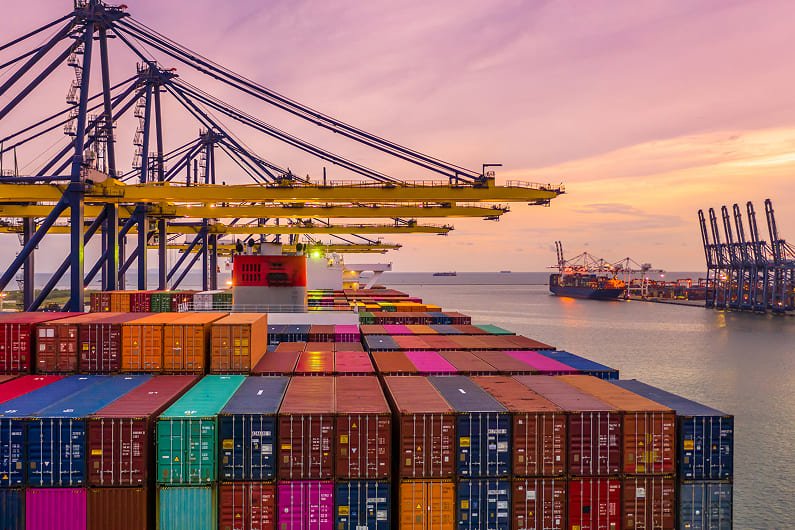
Global and Regional International Freight Forwarding and Supply Chain Solutions
International trade is no longer limited to large multinational companies. Businesses of different sizes are sourcing products, exporting goods and building customer networks across countries and regions. As international trade grows, reliable logistics has become an essential part of business success.
Moving cargo from one country to another involves much more than transportation. Businesses need coordinated freight forwarding, accurate documentation, customs clearance, cargo handling, warehousing, tracking and last-mile delivery.
This is where global freight forwarding and supply chain solutions play an important role.
What Are Global Freight Forwarding and Supply Chain Solutions?
Global freight forwarding and supply chain solutions involve coordinating the movement of goods from their origin to their final destination through the most suitable transportation and logistics processes.
A freight forwarder can coordinate different stages of a shipment, including transportation, documentation, customs procedures, cargo handling and delivery.
Supply chain management goes a step further. It looks at how products, information and logistics activities connect across the entire business operation.
For importers and exporters, having these services properly coordinated can make international trade easier to manage and more predictable.
Why International Freight Forwarding Matters
International shipments often involve several parties and transportation stages. Cargo may move from a supplier to a warehouse, then to a port or airport, across international borders and finally to a distribution centre or customer.
Without proper coordination, even a small issue can affect the entire shipment.
Common challenges include:
- Incorrect or incomplete shipping documents
- Customs clearance delays
- Choosing an unsuitable transportation method
- Poor cargo packaging
- Unexpected transportation costs
- Limited shipment visibility
- Delays between different logistics stages
Professional international freight forwarding services help businesses coordinate these processes more efficiently.
Choosing the Right Transportation Method
There is no single freight solution suitable for every shipment.
Air Freight
Air freight is generally considered when speed is a priority. It can be useful for time-sensitive products, urgent commercial shipments and goods where faster delivery provides greater business value.
Sea Freight
Sea freight is an important option for larger shipments and international cargo where businesses need to manage transportation costs and volume efficiently.
Land Transportation
Land transport plays an important role in regional distribution and connecting warehouses, ports, airports and final delivery locations.
The right combination depends on factors such as cargo type, shipment size, destination, urgency and budget.
A good logistics strategy focuses on finding the right balance between cost, speed, reliability and business requirements.
Customs Clearance: An Essential Part of Global Trade
International cargo must comply with the customs requirements of the countries involved in the shipment.
Documentation, cargo classification, declarations, applicable duties and other regulatory requirements can affect how quickly goods are cleared.
Customs clearance should therefore be considered during the planning stage—not only when the cargo reaches the border.
Working with an experienced logistics partner can help businesses coordinate the necessary documentation and procedures more effectively.
Supply Chain Solutions Beyond Freight
Freight transportation is only one part of the supply chain.
Businesses may also require:
- Cargo packaging and handling
- Warehousing and storage
- Inventory coordination
- Land transportation
- Import and export support
- Customs clearance
- Shipment tracking
- Distribution
- Door-to-door delivery
Connecting these services can provide businesses with better visibility and fewer coordination gaps.
For growing companies, this can be especially valuable because logistics requirements often become more complex as the business enters new markets.
Global Reach with Regional Understanding
International logistics requires a global perspective, but regional knowledge is equally important.
Different countries and regions have their own transportation networks, customs procedures, commercial practices and delivery requirements.
For businesses trading between India and the GCC, for example, understanding the regional logistics environment can help create more practical shipping strategies.
Markets including Oman, UAE, Saudi Arabia, Qatar, Bahrain and Kuwait have strong commercial connections with Indian businesses and offer opportunities for importers and exporters across different sectors.
A logistics partner with knowledge of both international freight networks and regional requirements can help businesses manage these connections more effectively.
Technology and Visibility in Modern Logistics
Today’s businesses expect more visibility from their logistics partners.
Shipment tracking, digital documentation and timely communication can help importers and exporters understand where their cargo is and plan their operations accordingly.
Better visibility can support decisions around inventory, production schedules, customer commitments and distribution.
Technology is also helping logistics providers improve planning, communication and supply chain coordination.
However, technology works best when combined with experienced people who understand the practical realities of international shipping.
How to Choose a Freight Forwarding Partner
Choosing a logistics partner should not be based on price alone.
Businesses should consider:
Experience: Does the provider understand international freight and the type of cargo being shipped?
Service coverage: Can they support air, sea, land and related logistics requirements?
Customs support: Can they coordinate customs clearance and documentation?
Communication: Will the business receive timely updates throughout the shipment?
Tracking: Is there sufficient visibility into cargo movement?
End-to-end capability: Can the provider coordinate multiple stages from pickup to delivery?
The right partner should help reduce complexity rather than create additional coordination challenges.
Nahra: Connecting Businesses Through Smarter Logistics
At Nahra Logistics & Trading Company, we understand that successful international trade depends on more than moving cargo.
Our logistics services are designed to support businesses across different stages of the supply chain, including international freight forwarding, air freight, sea freight, land transportation, customs clearance, import and export solutions, cargo packaging, warehousing, distribution and door-to-door delivery.
With a focus on connecting businesses across India, the GCC and international markets, we work to provide practical logistics solutions based on each shipment’s requirements.
Whether a business is importing materials, exporting products or expanding into a new market, having a dependable logistics process can make the journey more manageable.
Building Better Connections Across Global Trade
The future of international logistics is not simply about moving cargo faster.
It is about creating supply chains that are connected, visible, flexible and reliable.
For importers and exporters, the right logistics strategy can help control costs, reduce avoidable delays and create a better experience for customers and business partners.
With the right combination of freight forwarding, customs coordination, transportation, warehousing and supply chain management, businesses can focus more confidently on what matters most—growing their business across borders.
Nahra Logistics & Trading Company — connecting businesses, cargo and markets through reliable logistics solutions.
About The Nahra logistics & trading
Nahra Logistics & Trading provides reliable freight forwarding, customs clearance, warehousing, and supply chain solutions, ensuring safe and timely cargo movement across domestic and international markets.