

Global Logistics & Supply Chain Management
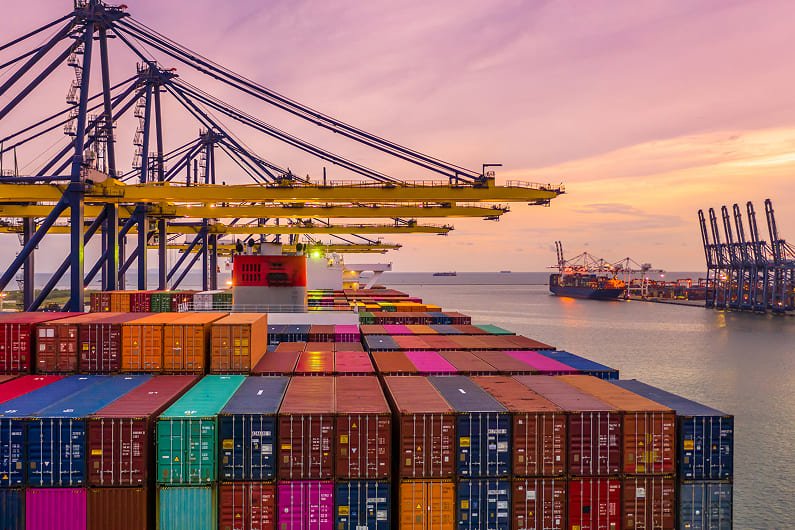
Global Logistics & Supply Chain Management
In today’s connected business environment, a product may be manufactured in one country, sourced from another, stored in a regional warehouse and finally delivered to a customer thousands of kilometres away.
Making that journey work smoothly requires more than transportation.
It requires global logistics and supply chain management.
From sourcing and freight forwarding to customs clearance, warehousing, distribution and final delivery, every stage needs to work together. A well-managed supply chain helps businesses move products efficiently while maintaining better control over time, cost and service quality.
What Is Global Logistics and Supply Chain Management?
Global logistics focuses on planning and coordinating the movement and storage of goods across countries and regions. Supply chain management takes a broader view by connecting sourcing, procurement, inventory, transportation, warehousing, distribution and other activities involved in getting products to the customer.
For an importer or exporter, this means looking at the complete journey rather than treating each shipment as an isolated activity.
A shipment can involve suppliers, freight forwarders, carriers, ports, airports, customs authorities, warehouses and delivery partners. Coordinating these different points effectively is what makes a supply chain dependable.
Why Global Supply Chain Management Matters
International trade brings businesses new markets and opportunities, but it also introduces additional complexity.
A shipment crossing international borders may need to comply with different customs procedures, documentation requirements and transportation arrangements. Delays at one stage can affect inventory, production schedules and customer commitments.
Effective global supply chain management helps businesses plan these activities as one connected process.
The objective is not simply to move cargo faster. It is to find the right balance between cost, speed, reliability, visibility and customer requirements.
Key Components of Global Logistics
A strong international logistics strategy can include several interconnected services.
International Freight Forwarding
Freight forwarding helps coordinate the movement of cargo through different transportation networks. Depending on the shipment, this may involve air, sea, road or multimodal transportation.
A freight forwarder can also coordinate documentation, cargo handling, storage and other services connected with international movement.
Air Freight
Air freight is particularly useful when delivery speed is a major consideration. Businesses may choose air transportation for urgent shipments, time-sensitive products or cargo that needs to reach an international destination quickly.
Sea Freight
Sea freight remains an important option for international trade, particularly when businesses need to transport larger quantities of cargo efficiently.
Selecting between air and sea freight should depend on factors such as cargo type, volume, destination, urgency and overall logistics requirements.
Customs Clearance
Cross-border cargo must meet applicable customs requirements before it can enter or leave a country.
Documentation, cargo classification, declarations and other regulatory requirements need to be handled carefully. Proper customs planning can help businesses avoid unnecessary delays and complications.
The World Customs Organization recognises customs-related activities as an important part of the wider freight forwarding and logistics process.
Warehousing and Distribution
Warehousing is another important part of the supply chain.
Businesses may need to store goods before they are distributed to customers, retailers or other locations. Strategic warehousing can help businesses manage inventory and coordinate distribution more effectively.
When warehousing, transportation and delivery are properly connected, businesses can achieve better control over the movement of goods.
The Importance of Supply Chain Visibility
One of the biggest challenges in international logistics is knowing what is happening at every stage.
Businesses need visibility into shipment status, inventory, transportation and potential delays.
Modern tracking and digital communication are making it easier for logistics providers and their customers to monitor cargo movement.
Better visibility allows businesses to make more informed decisions and communicate more effectively with customers and suppliers.
Building a More Resilient Supply Chain
Global supply chains can be affected by many factors, including transportation disruptions, port congestion, regulatory changes, unexpected demand and other external events.
For this reason, businesses are increasingly looking beyond simple cost reduction.
A resilient supply chain should have the flexibility to respond when conditions change.
This can involve evaluating alternative routes, transportation options, suppliers, inventory strategies and distribution arrangements.
The aim is to build a supply chain that can continue operating even when one part of the network faces disruption.
Global Reach Requires Regional Knowledge
Global logistics may operate across international networks, but regional knowledge remains important.
Every market has its own business environment, transportation infrastructure and regulatory requirements.
For businesses trading between India and the GCC, understanding the logistics requirements of markets such as Oman, UAE, Saudi Arabia, Qatar, Bahrain and Kuwait can help create more practical shipping and distribution strategies.
A logistics partner with international connectivity and regional understanding can help businesses navigate these requirements more effectively.
Choosing the Right Logistics Partner
Businesses should look beyond transportation rates when choosing a logistics provider.
Consider:
- International freight forwarding experience
- Air, sea and land transportation options
- Customs clearance support
- Warehousing and distribution capabilities
- Shipment tracking and visibility
- Documentation support
- Communication and responsiveness
- Door-to-door delivery options
The right partner should make the supply chain easier to manage, not add another layer of complexity.
Nahra Logistics & Trading Company
At Nahra Logistics & Trading Company, we understand that modern logistics is about connecting every stage of the shipment journey.
Our services include international freight forwarding, air freight, sea freight, land transportation, customs clearance, import and export solutions, supply chain management, cargo packaging, warehousing, distribution and door-to-door delivery.
We support businesses looking to move goods across India, the GCC and international markets with logistics solutions designed around their specific requirements.
Moving Business Forward Through Better Logistics
Global trade depends on reliable connections.
When transportation, customs, warehousing, documentation and distribution work together, businesses can manage their international operations with greater confidence.
Global logistics and supply chain management is not simply about moving goods from one place to another. It is about creating a connected system that helps businesses source, transport, store and deliver products efficiently.
For businesses planning their next international shipment or expanding into new markets, the right logistics strategy can be an important part of sustainable growth.
Nahra Logistics & Trading Company — connecting cargo, businesses and markets through reliable logistics solutions.
About The Nahra logistics & trading
Nahra Logistics & Trading provides reliable freight forwarding, customs clearance, warehousing, and supply chain solutions, ensuring safe and timely cargo movement across domestic and international markets.