

Incoterms Explained: EXW vs. FOB vs. DDP | Complete Guide for Importers & Exporters
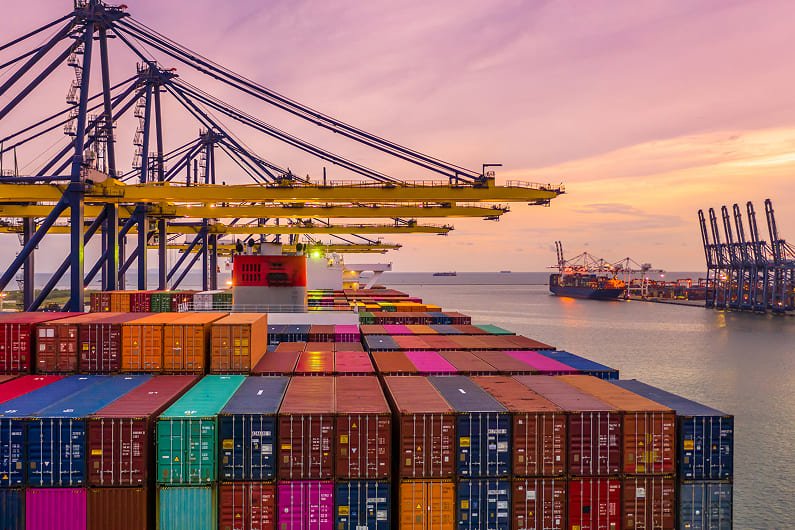
Incoterms Explained: EXW vs. FOB vs. DDP
International trade involves much more than simply shipping goods from one country to another. Buyers and sellers must clearly understand who is responsible for transportation, insurance, customs clearance, duties, and delivery costs. This is where Incoterms come into play.
Incoterms, or International Commercial Terms, are globally recognized trade rules published by the International Chamber of Commerce (ICC). They define the responsibilities, risks, and costs shared between buyers and sellers during international transactions.
Among the most commonly used Incoterms are EXW (Ex Works), FOB (Free On Board), and DDP (Delivered Duty Paid). Choosing the right Incoterm can help businesses avoid misunderstandings, reduce shipping risks, and manage logistics costs effectively.
At Nahra Shipping, we help importers and exporters navigate international logistics with professional freight forwarding, customs clearance, and end-to-end shipping solutions.
What Are Incoterms?
Incoterms are standardized trade terms that define the obligations of buyers and sellers in international shipping.
They specify:
- Who arranges transportation
- Who pays freight charges
- Who handles export customs clearance
- Who handles import customs clearance
- Who pays duties and taxes
- When the risk transfers from seller to buyer
Using the correct Incoterm helps prevent disputes and ensures a smooth shipping process.
What Is EXW (Ex Works)?
EXW (Ex Works) is an Incoterm where the seller makes the goods available at their premises, such as a factory or warehouse.
From that point onward, the buyer assumes nearly all responsibilities, including loading, transportation, export clearance, international freight, import customs clearance, duties, taxes, and final delivery.
EXW places the minimum obligation on the seller and the maximum responsibility on the buyer.
Seller Responsibilities Under EXW
The seller is responsible for:
- Manufacturing or preparing the goods
- Packaging the shipment
- Making the cargo available for collection
- Providing the commercial invoice and agreed documentation
Buyer Responsibilities Under EXW
The buyer is responsible for:
- Loading the cargo
- Inland transportation
- Export customs clearance
- International freight
- Cargo insurance (if required)
- Import customs clearance
- Import duties and taxes
- Final delivery to the destination
Advantages of EXW
EXW offers several benefits:
- Lower responsibility for the seller
- Greater control for experienced buyers
- Flexible choice of freight forwarder
- Suitable for buyers with established logistics networks
Disadvantages of EXW
Some challenges include:
- Buyers manage the entire shipping process
- Export customs procedures may be difficult in some countries
- Higher logistics responsibility and risk for buyers
What Is FOB (Free On Board)?
FOB (Free On Board) is one of the most widely used Incoterms for sea freight.
Under FOB, the seller is responsible for delivering the goods to the designated port, completing export customs clearance, and loading the cargo onto the vessel.
Once the goods are loaded on board the ship, the risk transfers to the buyer.
Seller Responsibilities Under FOB
The seller is responsible for:
- Preparing and packaging the goods
- Inland transportation to the port
- Export customs clearance
- Port handling charges
- Loading the goods onto the vessel
Buyer Responsibilities Under FOB
The buyer is responsible for:
- Ocean freight charges
- Marine insurance (if required)
- Import customs clearance
- Import duties and taxes
- Inland transportation at destination
- Final delivery
Advantages of FOB
FOB is popular because it offers:
- Clear transfer of responsibility
- Seller manages export procedures
- Buyer controls international freight
- Widely accepted in global trade
Disadvantages of FOB
Potential drawbacks include:
- Buyer assumes risk once cargo is loaded
- Buyer arranges shipping and destination logistics
- Ocean freight costs may fluctuate
What Is DDP (Delivered Duty Paid)?
DDP (Delivered Duty Paid) places the maximum responsibility on the seller.
The seller manages the complete transportation process until the goods arrive at the buyer’s specified destination, including customs clearance, freight charges, duties, and taxes.
The buyer simply receives the shipment without arranging logistics.
Seller Responsibilities Under DDP
The seller is responsible for:
- Manufacturing and packaging
- Inland transportation
- Export customs clearance
- International freight
- Cargo insurance (if included)
- Import customs clearance
- Import duties and taxes
- Final delivery
Buyer Responsibilities Under DDP
The buyer’s responsibility is generally limited to:
- Receiving the shipment
- Unloading the cargo, unless otherwise agreed
Advantages of DDP
DDP provides several benefits:
- Simplifies the buying process
- Predictable landed costs
- Minimal logistics management for buyers
- Convenient for international eCommerce and first-time importers
Disadvantages of DDP
Challenges may include:
- Higher overall shipping costs
- Sellers must understand destination import regulations
- Greater financial and legal responsibility for sellers
EXW vs. FOB vs. DDP: Key Differences
| Feature | EXW | FOB | DDP |
|---|---|---|---|
| Seller Responsibility | Minimum | Moderate | Maximum |
| Buyer Responsibility | Maximum | Moderate | Minimum |
| Export Customs Clearance | Buyer | Seller | Seller |
| International Freight | Buyer | Buyer | Seller |
| Import Customs Clearance | Buyer | Buyer | Seller |
| Duties & Taxes | Buyer | Buyer | Seller |
| Final Delivery | Buyer | Buyer | Seller |
| Best For | Experienced Importers | Standard Sea Freight | Buyers Seeking Convenience |
Which Incoterm Should You Choose?
The best Incoterm depends on your business experience, logistics capabilities, and shipping preferences.
Choose EXW if:
- You have an experienced logistics team.
- You want complete control over shipping.
- You can manage export and import procedures efficiently.
Choose FOB if:
- You want the seller to handle export formalities.
- You prefer to select your own shipping line or freight forwarder.
- You are shipping goods by sea.
Choose DDP if:
- You want a hassle-free shipping experience.
- You prefer a single price covering transportation and duties.
- You have limited experience with international logistics.
Common Mistakes When Choosing Incoterms
Businesses often make costly mistakes by selecting the wrong Incoterm.
Common errors include:
- Not understanding who pays customs duties
- Assuming insurance is automatically included
- Choosing EXW without export experience
- Using FOB for air freight instead of sea freight
- Failing to clarify delivery responsibilities in contracts
Understanding each Incoterm before signing a sales agreement helps avoid delays, disputes, and unexpected expenses.
Why Choose Nahra Shipping?
Nahra Shipping offers complete international logistics solutions tailored to importers, exporters, and global businesses.
Our services include:
- International Sea Freight
- Air Freight Services
- Customs Clearance
- Freight Forwarding
- FCL and LCL Shipping
- Door-to-Door Delivery
- Cargo Consolidation
- Warehousing Solutions
- Import and Export Logistics
- Shipment Tracking
Our experienced logistics professionals help clients select the most suitable Incoterms, ensuring efficient transportation, regulatory compliance, and cost-effective shipping solutions.
Conclusion
Understanding Incoterms Explained: EXW vs. FOB vs. DDP is essential for anyone involved in international trade. Each Incoterm defines different responsibilities, costs, and risk transfers between buyers and sellers.
EXW provides maximum control for buyers, FOB offers a balanced approach for sea freight shipments, and DDP delivers the greatest convenience by placing nearly all responsibilities on the seller.
Choosing the right Incoterm can improve supply chain efficiency, reduce shipping risks, and prevent costly misunderstandings. With Nahra Shipping as your trusted logistics partner, you can confidently manage international shipments while ensuring smooth and compliant global trade.
About The Nahra logistics & trading
Nahra Logistics & Trading provides reliable freight forwarding, customs clearance, warehousing, and supply chain solutions, ensuring safe and timely cargo movement across domestic and international markets.