

Dubai to Worldwide Destinations: International Sea Freight Guide
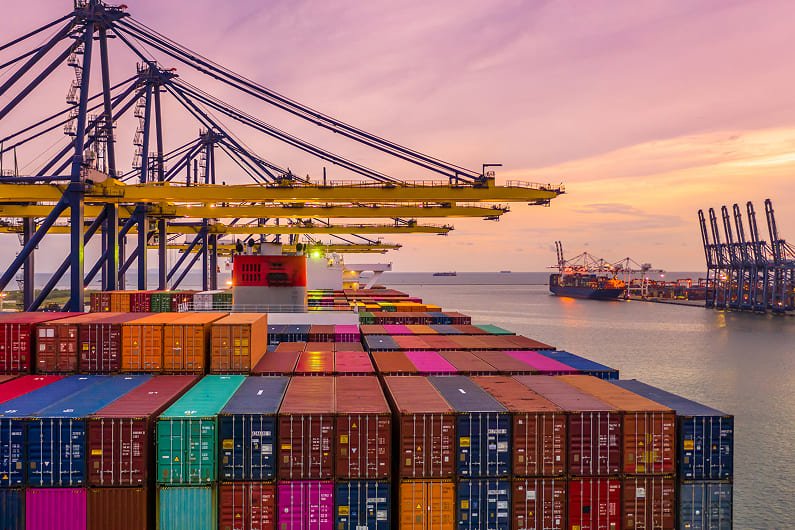
Jebel Ali Port Shipping: Complete Guide to UAE’s Busiest Port and Global Trade Routes
Dubai has become an important logistics and trading centre connecting businesses in the Middle East with markets across Asia, Africa, Europe, and other parts of the world.
For importers and exporters, international sea freight from Dubai offers a practical way to move large volumes of cargo across long distances. With the right route, container type, documentation, customs planning, and inland transportation, businesses can build a reliable shipping process from Dubai to their destination.
But international sea freight is more than booking a container. Understanding how the process works can help businesses make better decisions about cost, transit planning, cargo handling, and delivery.
Why Is Dubai Important for International Sea Freight?
Dubai’s location gives businesses access to major maritime trade routes connecting the Middle East with global markets.
The emirate is supported by major logistics infrastructure, including Jebel Ali Port, one of the region’s key container shipping hubs. Its location and extensive shipping connections make Dubai an important gateway for international cargo.
Businesses based in Dubai, as well as companies using the UAE as a regional distribution centre, can use sea freight to connect with destinations across:
- India and South Asia
- China and East Asia
- Southeast Asia
- GCC countries
- East and West Africa
- Europe
- Red Sea markets
- Other international destinations
Available services, routes, and sailing schedules vary by carrier and destination, so businesses should confirm current options when planning a shipment.
How Does International Sea Freight From Dubai Work?
A typical international container shipment may follow this journey:
Supplier or Warehouse → Cargo Pickup → Export Documentation → Jebel Ali Port → Ocean Freight → Destination Port → Customs Clearance → Inland Transportation → Final Delivery
Each stage requires coordination.
The cargo needs to be properly packed and documented before it reaches the port. The correct container must be booked, export procedures completed, and shipping information verified.
After the vessel reaches the destination, customs clearance and inland transportation may still be required before the cargo reaches the consignee.
This is why a complete logistics plan is important when arranging sea freight from Dubai.
FCL vs LCL Shipping From Dubai
One of the first decisions businesses need to make is whether to use Full Container Load (FCL) or Less than Container Load (LCL).
Full Container Load (FCL)
FCL means the shipment uses a dedicated container.
It can be suitable for businesses shipping larger volumes or cargo that benefits from dedicated container space.
Potential advantages include:
- Dedicated container
- Greater control over loading
- Less consolidation-related handling
- Suitable for larger shipments
- Better separation from other cargo
The most suitable container size depends on cargo volume, dimensions, weight, and shipment requirements.
Less than Container Load (LCL)
LCL is designed for cargo that does not require an entire container.
The shipment shares container space with other cargo, with costs generally based on the space or volume used.
LCL can be useful for businesses that ship smaller quantities and do not want to book a full container.
The choice between FCL and LCL should be based on cargo volume, handling requirements, destination, schedule, and total cost rather than simply choosing the cheapest option.
What Documents Are Needed?
Proper documentation is one of the most important parts of international sea freight.
Depending on the shipment, businesses may need:
- Commercial Invoice
- Packing List
- Bill of Lading
- Certificate of Origin
- Customs declarations
- Import or export licences, where applicable
- Product-specific certificates or permits
- Insurance documents, where applicable
Requirements vary depending on the cargo, origin, destination, and applicable regulations.
Information across the documents should also be consistent.
For example, differences in cargo description, quantity, weight, or consignee information can create unnecessary complications during shipment processing or customs clearance.
Customs Clearance: An Important Part of the Shipping Journey
The vessel reaching the destination port does not necessarily mean the shipment is ready for delivery.
The cargo may need to go through customs clearance before it can continue to its final destination.
Businesses should prepare the necessary documentation and provide accurate cargo information to support the clearance process.
Customs requirements can vary significantly between countries and commodities, so businesses should check the destination requirements before dispatching the cargo.
Early preparation can help reduce avoidable documentation problems and delays.
How Much Does Sea Freight From Dubai Cost?
There is no single price for shipping a container from Dubai to a worldwide destination.
The total cost can depend on factors such as:
- Origin and destination
- FCL or LCL
- Container size
- Cargo type
- Cargo weight and volume
- Shipping line
- Sailing schedule
- Port handling charges
- Documentation
- Customs-related costs
- Inland transportation
- Seasonal market conditions
- Additional services required
For this reason, businesses should compare the total logistics cost rather than focusing only on the basic ocean freight rate.
A lower freight rate may not necessarily mean a lower final shipping cost if additional handling, customs, transportation, or destination charges are involved.
How Long Does Sea Freight From Dubai Take?
Transit time depends on the destination, shipping route, carrier schedule, transshipment requirements, port operations, and other factors.
A shipment travelling to a nearby regional market may have a very different transit time from one travelling to Europe, East Asia, or Africa.
Businesses should also remember that ocean transit time is not the same as total delivery time.
The complete timeline can include:
Cargo Preparation → Pickup → Export Processing → Port Handling → Vessel Departure → Ocean Transit → Destination Port → Customs Clearance → Inland Delivery
When planning inventory and customer commitments, businesses should consider the complete logistics journey rather than relying only on the vessel’s sailing time.
Direct Shipping vs Transshipment
Depending on the destination, a shipment may travel through a direct service or require transshipment at another port.
A direct service may reduce the number of handling stages, where available.
Transshipment can provide access to destinations that are not served directly from the origin port, but it may introduce additional stages into the shipping journey.
Businesses should compare available routes based on:
- Transit time
- Schedule frequency
- Cost
- Reliability
- Number of transshipment points
- Destination requirements
The best route is not always the shortest route. It should be the route that provides the right balance of cost, schedule, reliability, and cargo requirements.
How Can Businesses Reduce Shipping Problems?
A well-prepared shipment is easier to manage.
Businesses can improve their international sea freight process by:
Booking Early
Early planning can provide more options for vessel schedules and container availability.
Preparing Documents in Advance
Check commercial invoices, packing lists, Bills of Lading, certificates, and customs requirements before cargo movement.
Providing Accurate Cargo Details
Correct weight, dimensions, quantity, product description, and packaging information help avoid unnecessary changes later.
Choosing the Right Container
Select FCL or LCL based on the actual shipment requirements.
Planning Beyond the Port
Arrange customs clearance and inland transportation before the cargo reaches the destination.
Tracking the Shipment
Shipment visibility can help businesses monitor progress and respond to schedule changes or other issues.
Why End-to-End Logistics Matters
International sea freight involves several different parties.
A shipment can involve the supplier, trucking company, port, shipping line, customs authorities, warehouse, freight forwarder, and final delivery provider.
If each stage is handled independently without proper coordination, communication gaps can create delays.
An end-to-end logistics approach brings more of these stages into one coordinated process.
Depending on the service selected, freight forwarding can include coordination of:
- Cargo pickup
- Container booking
- Documentation
- Sea freight
- Customs clearance
- Port handling
- Inland transportation
- Warehousing
- Final delivery
- Shipment tracking
This can be particularly useful for businesses that do not have a dedicated logistics team or regularly ship internationally.
Choosing the Right Sea Freight Solution From Dubai
The best shipping solution depends on the individual business and shipment.
Before booking, consider:
What are you shipping?
Cargo type determines packaging, handling, documentation, and regulatory requirements.
How much cargo do you have?
This helps determine whether FCL or LCL is more suitable.
Where is the cargo going?
Destination affects routing, transit time, customs requirements, and inland delivery.
How quickly do you need it?
Compare available sailing schedules and total delivery timelines.
What is your complete budget?
Consider freight, handling, customs, transportation, and other applicable costs.
Who will manage the shipment?
Decide whether your business will coordinate individual stages or use an integrated freight forwarding solution.
Conclusion
Dubai’s strategic location and international maritime connectivity make it an important gateway for businesses moving cargo to worldwide destinations.
However, successful international sea freight from Dubai requires more than choosing a shipping line. Businesses need to consider FCL or LCL, cargo packaging, documentation, customs clearance, routing, transit planning, port handling, inland transportation, and final delivery.
By planning these stages together, businesses can make better logistics decisions and create a more organised international shipping process.
Whether the cargo is moving from Dubai to India, Asia, Africa, Europe, the GCC, or another global market, the right logistics strategy starts with understanding the complete journey from origin to final destination.
About The Nahra logistics & trading
Nahra Logistics & Trading provides reliable freight forwarding, customs clearance, warehousing, and supply chain solutions, ensuring safe and timely cargo movement across domestic and international markets.