

Salalah Port to India: Sea Freight & Container Shipping
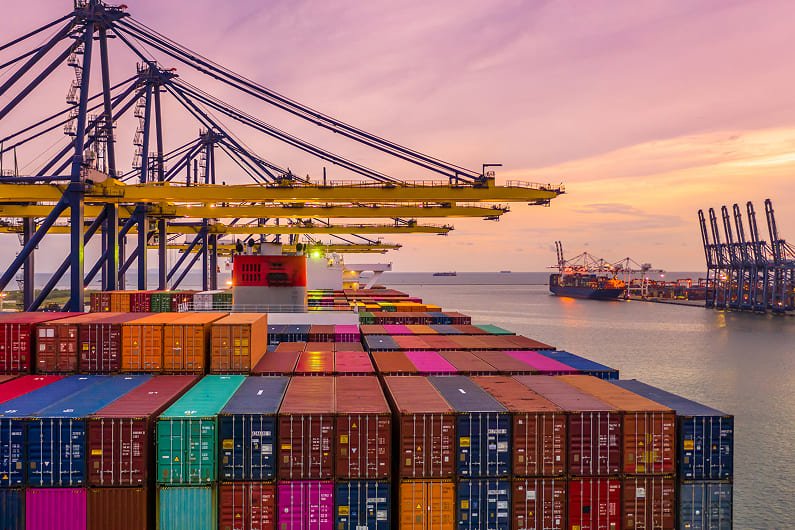
Sea Freight & Container Shipping
India and Oman have strong commercial ties, making reliable sea freight an important part of trade between the two countries. For businesses moving commercial goods, raw materials, machinery, food products, or other cargo, Salalah Port to India sea freight provides an efficient way to connect Oman with major Indian markets.
Located on major international shipping routes, Port of Salalah serves as an important container hub connecting the Middle East, Indian Subcontinent, East Africa and wider global markets. Its container terminal has six berths, a quay length of 2,197 metres and annual capacity of up to 6 million TEUs.
For importers and exporters, the right combination of container type, port selection, documentation, customs clearance and inland transportation can make a significant difference to the overall shipping experience.
Why Choose Salalah Port for Shipping to India?
Salalah’s geographical position gives it direct access to major east-west maritime trade routes. The port is designed to handle large container vessels and works with major international shipping lines, including Maersk, MSC, CMA CGM and COSCO.
This connectivity makes Salalah a useful gateway for cargo moving between Oman and India.
Businesses can plan shipments to Indian ports such as:
- Nhava Sheva / JNPT
- Mundra Port
- Hazira
- Chennai
- Other Indian ports depending on the shipping line and service schedule
Oman-India maritime connectivity has also expanded through regular services linking Omani ports with major Indian ports, helping businesses improve supply-chain efficiency and manage transportation costs.
How Salalah to India Sea Freight Works
A typical container shipment involves several stages rather than simply moving a container from one port to another.
1. Cargo and Shipping Requirement Assessment
The first step is to determine the nature, quantity, dimensions and weight of the cargo. This information helps the freight forwarder identify the appropriate container, shipping service and handling requirements.
2. Container Selection
Businesses can generally choose between FCL and LCL shipping, depending on the shipment volume.
FCL (Full Container Load) is suitable when the cargo requires a complete container. It provides greater control over the shipment and is often preferred for larger consignments.
LCL (Less than Container Load) allows multiple shipments to share container space. It can be useful for smaller consignments where booking a complete container may not be economical.
The choice should be based on cargo volume, handling requirements, delivery schedule and total logistics cost.
3. Documentation and Export Clearance
Accurate documentation is essential before the container reaches the port. Depending on the cargo and transaction, documents may include:
- Commercial invoice
- Packing list
- Bill of Lading
- Certificate of Origin
- Export documentation
- Import-related documents
- Product-specific certificates or permits
- Insurance documents, where applicable
Incorrect descriptions, quantities or values can create delays during customs procedures.
4. Port Handling and Vessel Loading
Once the shipment reaches Salalah Port, the container goes through the required terminal procedures before being loaded onto the scheduled vessel.
Port of Salalah also provides digital services for container tracking, vessel schedules and other container-related information, helping customers monitor cargo movements.
5. Arrival at the Indian Port
After the vessel reaches the selected Indian port, the shipment undergoes import procedures. Customs clearance, documentation verification, duties and applicable regulatory requirements need to be completed before the cargo can be released.
The container can then move to its final destination by road, rail or another suitable inland transportation method.
Which Indian Ports Can Receive Cargo from Salalah?
The suitable destination port depends on the cargo’s final location, shipping-line schedules and available services.
For businesses serving western India, Nhava Sheva and Mundra can be important options. Other shipments may be routed through ports such as Hazira or Chennai depending on the destination and carrier network.
For example, a shipment ultimately required in Gujarat may benefit from a western Indian port, while cargo destined for southern markets may require a different port strategy.
A freight forwarder can compare available services based on the final delivery location instead of selecting a port only on the basis of ocean freight rates.
What Affects Salalah to India Shipping Costs?
The total cost of sea freight involves more than the basic ocean freight charge.
Important cost factors include:
- Container size and type
- FCL or LCL shipment
- Cargo weight and volume
- Origin and destination ports
- Shipping line and sailing schedule
- Port handling charges
- Documentation charges
- Customs clearance
- Insurance
- Inland transportation
- Storage or demurrage, if applicable
- Special handling requirements
For this reason, comparing only the quoted ocean freight rate may not provide an accurate picture of the final logistics cost.
How Long Does Salalah to India Sea Freight Take?
Transit time depends on the destination port, shipping line, vessel schedule, direct or transshipment routing, port operations and other factors.
Businesses should therefore treat quoted transit times as indicative rather than guaranteed delivery dates.
A professional freight forwarder can provide the latest available sailing schedule and help plan additional time for customs clearance and inland transportation.
How to Reduce Delays in Salalah to India Shipping
Good preparation can prevent many common shipping problems.
Before booking a container, businesses should:
- Confirm cargo dimensions and weight accurately.
- Select the correct container type.
- Prepare export and import documents in advance.
- Check product-specific regulatory requirements.
- Confirm the destination port and final delivery location.
- Review the complete cost instead of only ocean freight.
- Allow sufficient time for customs clearance.
- Track vessel and container movements throughout the shipment.
Proper cargo packaging is also important, particularly for fragile, moisture-sensitive, temperature-sensitive or high-value goods.
Why End-to-End Freight Forwarding Matters
Sea transportation is only one part of international logistics. A shipment can face difficulties even when the ocean leg operates according to schedule if customs, documentation, port handling or inland delivery is not properly coordinated.
An experienced freight forwarder can coordinate activities such as container booking, documentation, customs clearance, port handling, cargo tracking and final delivery.
For businesses shipping regularly from Oman to India, having one logistics partner manage these stages can simplify communication and improve shipment visibility.
Conclusion
Salalah Port to India sea freight offers businesses a practical connection between Oman and major Indian trade markets. With modern container infrastructure, international shipping-line connectivity and access to major Indian ports, Salalah can support both regular commercial shipments and larger containerized cargo movements.
The most suitable shipping solution depends on cargo type, volume, destination, delivery requirements and overall logistics cost. By selecting the right container, preparing documentation correctly and coordinating customs and inland transportation in advance, businesses can build a more reliable Oman-to-India supply chain.
About The Nahra logistics & trading
Nahra Logistics & Trading provides reliable freight forwarding, customs clearance, warehousing, and supply chain solutions, ensuring safe and timely cargo movement across domestic and international markets.