

Step-by-Step Customs Clearance Process for Imports & Exports
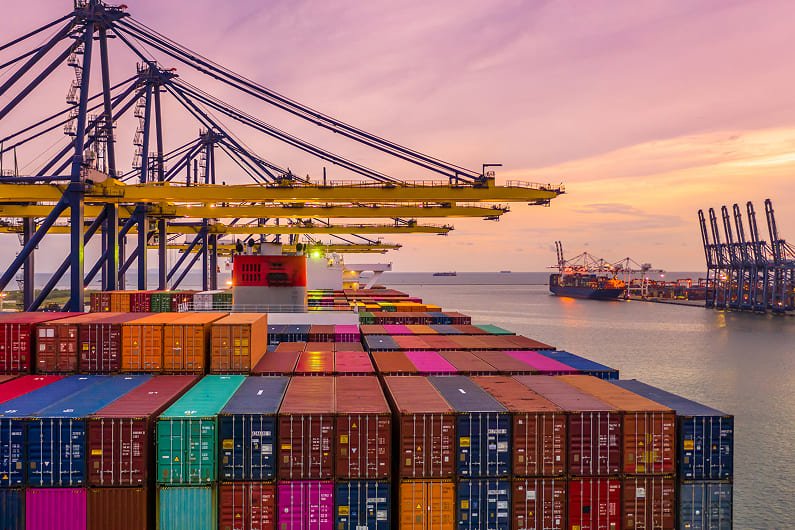
Step-by-Step Customs Clearance Process for Imports & Exports
International trade offers businesses access to global markets, but every shipment must pass through customs before reaching its destination. Whether you’re importing raw materials or exporting finished products, understanding the step-by-step customs clearance process for imports and exports is essential for avoiding delays, reducing costs, and ensuring compliance with international trade regulations.
Customs clearance involves verifying shipment documents, assessing duties and taxes, inspecting cargo when necessary, and obtaining official approval for goods to enter or leave a country. A well-managed customs process ensures that your cargo moves efficiently through ports, airports, and border checkpoints.
At Nahra Shipping, we provide professional customs clearance services along with international freight forwarding, helping businesses complete import and export procedures quickly and efficiently.
What Is Customs Clearance?
Customs clearance is the legal process of obtaining permission from customs authorities to import or export goods across international borders.
During this process, customs officials verify that shipments comply with local laws, calculate applicable duties and taxes, inspect cargo if required, and approve the release of goods.
Without customs clearance, international shipments cannot legally enter or leave a country.
Why Is Customs Clearance Important?
Customs clearance plays a vital role in international logistics because it helps:
- Ensure compliance with government regulations.
- Collect import duties and taxes.
- Prevent illegal or restricted goods from entering the country.
- Protect public health and national security.
- Facilitate smooth international trade.
Proper customs clearance minimizes delays and keeps your supply chain operating efficiently.
Step 1: Prepare Shipping Documents
Accurate documentation is the foundation of a successful customs clearance process.
Common documents required include:
- Commercial Invoice
- Packing List
- Bill of Lading (Sea Freight)
- Air Waybill (Air Freight)
- Certificate of Origin
- Import or Export License (if applicable)
- Insurance Certificate
- Purchase Order
- Product Certificates (if required)
Any missing or incorrect information may delay customs approval.
Step 2: Submit the Customs Declaration
Once the shipment is ready, the importer, exporter, or customs broker submits a customs declaration to the relevant customs authority.
The declaration contains important shipment details, including:
- Product description
- HS Code (Harmonized System Code)
- Quantity
- Value of goods
- Country of origin
- Destination country
Accurate declarations help prevent unnecessary inspections and penalties.
Step 3: Customs Document Verification
Customs officers review the submitted documents to ensure they comply with applicable regulations.
Officials verify:
- Product classification
- Declared value
- Applicable licenses
- Import or export restrictions
- Compliance with trade policies
If discrepancies are found, customs may request additional information before processing the shipment.
Step 4: Customs Inspection (If Required)
Not every shipment is physically inspected. Customs authorities use risk assessment systems to determine whether an inspection is necessary.
Inspections may involve:
- Physical examination of goods
- X-ray scanning
- Container inspection
- Verification of product labels
- Sampling of specific products
Random inspections are common and do not necessarily indicate a problem.
Step 5: Assessment of Duties and Taxes
After document verification, customs calculates applicable charges.
These may include:
- Import Duty
- Customs Duty
- Goods and Services Tax (GST)
- Value Added Tax (VAT)
- Excise Duty (where applicable)
- Other government fees
The amount depends on:
- Product classification
- Declared shipment value
- Country of origin
- Trade agreements
- Local customs regulations
Correct product classification is essential for accurate duty calculation.
Step 6: Payment of Customs Duties
Once duties and taxes are assessed, payment must be completed before customs releases the shipment.
Many businesses authorize their customs broker or freight forwarder to complete this payment on their behalf, ensuring faster processing.
Step 7: Customs Release
After successful verification and payment, customs grants clearance for the shipment.
At this stage, cargo is officially released and can proceed to:
- Warehouse
- Distribution center
- Customer location
- Manufacturing facility
The shipment is now legally permitted to enter or leave the country.
Step 8: Final Delivery
Once customs clearance is complete, the shipment moves to its final destination.
Depending on the shipping arrangement, delivery may include:
- Door-to-Door Delivery
- Warehouse Delivery
- Factory Delivery
- Retail Distribution
- Last-Mile Transportation
Efficient coordination between customs brokers, freight forwarders, and transport providers ensures timely delivery.
Common Documents Required for Customs Clearance
The exact documentation varies depending on the country and cargo type, but the most common documents include:
- Commercial Invoice
- Packing List
- Bill of Lading
- Air Waybill
- Certificate of Origin
- Import License
- Export License
- Insurance Certificate
- Customs Declaration Form
- Product Compliance Certificates
Preparing these documents accurately reduces the risk of customs delays.
Common Reasons for Customs Clearance Delays
Several issues can slow down customs processing.
Incorrect Documentation
Missing or inaccurate paperwork is one of the leading causes of shipment delays.
Incorrect HS Code
Using the wrong product classification may result in incorrect duty calculations and customs queries.
Unpaid Duties and Taxes
Shipments cannot be released until all applicable charges have been paid.
Restricted or Regulated Goods
Certain products require additional permits or government approvals before clearance.
Random Customs Inspection
Some shipments are selected for inspection as part of routine customs procedures.
Tips for Faster Customs Clearance
Businesses can speed up customs processing by following these best practices.
Prepare Documents in Advance
Verify all invoices, packing lists, and certificates before shipping.
Classify Products Correctly
Use accurate HS Codes to avoid unnecessary customs queries.
Work with an Experienced Customs Broker
Professional customs brokers understand country-specific regulations and help ensure compliance.
Pay Duties Promptly
Timely payment prevents unnecessary shipment delays.
Choose a Reliable Freight Forwarder
An experienced logistics partner coordinates documentation, transportation, and customs procedures efficiently.
Why Choose Nahra Shipping for Customs Clearance?
Nahra Shipping provides end-to-end customs clearance and freight forwarding services that simplify international trade for businesses of all sizes.
Our services include:
- Import Customs Clearance
- Export Customs Clearance
- Air Freight Services
- Sea Freight Services
- Freight Forwarding
- Door-to-Door Delivery
- Customs Documentation Support
- Cargo Consolidation
- Warehousing Solutions
- Shipment Tracking
Our experienced team ensures your shipments comply with customs regulations while minimizing delays and additional costs.
Conclusion
Understanding the step-by-step customs clearance process for imports and exports helps businesses avoid costly delays, comply with international trade regulations, and maintain an efficient supply chain.
From preparing accurate documentation and submitting customs declarations to paying duties and obtaining cargo release, every stage of the customs clearance process plays a critical role in successful international shipping.
By partnering with Nahra Shipping, businesses gain access to experienced customs professionals who ensure fast, compliant, and hassle-free customs clearance for every shipment.
About The Nahra logistics & trading
Nahra Logistics & Trading provides reliable freight forwarding, customs clearance, warehousing, and supply chain solutions, ensuring safe and timely cargo movement across domestic and international markets.