

What Is a Bill of Lading (B/L)? Types, Functions & Importance Explained
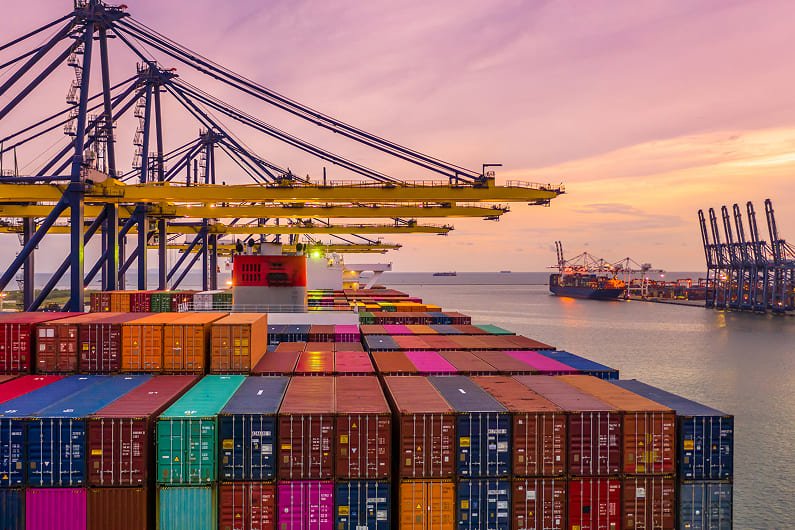
What Is Bill of Lading (B/L) and Its Types?
In international trade and logistics, documentation plays a vital role in ensuring goods move smoothly from the seller to the buyer. One of the most important shipping documents is the Bill of Lading (B/L). Whether you are shipping cargo by sea, air, or multimodal transport, understanding the Bill of Lading is essential for successful import and export operations.
A Bill of Lading serves as more than just a shipping document. It acts as a receipt for the cargo, a contract of carriage, and, in many cases, proof of ownership of the goods being transported. Without a properly issued Bill of Lading, international shipments may face delays, disputes, or customs complications.
At Nahra Shipping, we assist businesses with complete freight forwarding and documentation services, ensuring all shipping documents, including Bills of Lading, are prepared accurately for hassle-free international transportation.
What Is a Bill of Lading (B/L)?
A Bill of Lading (B/L) is a legal document issued by a carrier or freight forwarder to the shipper after receiving the cargo for transportation.
The document confirms that the carrier has received the goods in good condition and agrees to transport them to the specified destination under agreed terms and conditions.
A Bill of Lading is widely used in international sea freight and is recognized by customs authorities, banks, shipping lines, and freight forwarders around the world.
Why Is a Bill of Lading Important?
The Bill of Lading is one of the most critical documents in international logistics because it serves several important functions.
It helps to:
- Confirm receipt of the cargo.
- Act as a contract between the shipper and the carrier.
- Provide evidence of ownership of the goods.
- Facilitate customs clearance.
- Support international trade finance.
- Enable the consignee to claim the shipment at the destination.
Without a valid Bill of Lading, cargo may not be released to the consignee.
Main Functions of a Bill of Lading
Receipt of Goods
The carrier issues the Bill of Lading after receiving the cargo, confirming the quantity, condition, and packaging of the shipment.
Contract of Carriage
The document outlines the transportation agreement between the shipper and the carrier, including responsibilities, liabilities, and delivery terms.
Document of Title
Certain types of Bills of Lading serve as proof of ownership, allowing the holder to transfer ownership of the goods while they are still in transit.
Information Included in a Bill of Lading
A standard Bill of Lading typically contains the following information:
- Shipper’s Name and Address
- Consignee’s Name and Address
- Notify Party Details
- Bill of Lading Number
- Vessel Name
- Voyage Number
- Port of Loading
- Port of Discharge
- Place of Delivery
- Description of Goods
- Number of Packages
- Gross Weight
- Container Numbers
- Freight Terms
- Date of Issue
- Carrier’s Signature
Accurate information is essential to avoid customs delays and shipping disputes.
Types of Bill of Lading
There are several types of Bills of Lading used depending on the shipment, payment method, and ownership requirements.
Straight Bill of Lading
A Straight Bill of Lading is issued to a specific consignee and cannot be transferred to another party.
This type is commonly used when goods have already been paid for before shipment.
Order Bill of Lading
An Order Bill of Lading is negotiable and allows ownership of the goods to be transferred through endorsement.
This type is widely used in international trade where payment is made through banks using Letters of Credit.
Bearer Bill of Lading
A Bearer Bill of Lading allows whoever possesses the document to claim the cargo.
Because of security concerns, this type is rarely used in modern shipping.
Clean Bill of Lading
A Clean Bill of Lading indicates that the goods were received by the carrier in good condition without visible damage or defects.
Banks generally require a Clean Bill of Lading when processing trade finance documents.
Claused (Dirty) Bill of Lading
A Claused or Dirty Bill of Lading notes that the cargo or packaging was damaged or had irregularities when received.
This may affect payment under a Letter of Credit.
Ocean Bill of Lading
An Ocean Bill of Lading is specifically issued for sea freight shipments and serves as the primary transport document for ocean cargo.
Inland Bill of Lading
An Inland Bill of Lading covers the transportation of goods by road or rail before reaching the seaport or after arriving at the destination.
Through Bill of Lading
A Through Bill of Lading covers the entire transportation journey when cargo moves through multiple carriers or transport modes under one contract.
It simplifies documentation for multimodal shipments.
Multimodal Bill of Lading
This Bill of Lading is used when cargo is transported using two or more transportation modes, such as truck, rail, sea, and air.
It provides a single transport document for the complete journey.
Electronic Bill of Lading (eB/L)
An Electronic Bill of Lading is the digital version of the traditional paper document.
It improves document security, speeds up processing, reduces paperwork, and supports digital trade.
Bill of Lading vs. Sea Waybill
Many people confuse a Bill of Lading with a Sea Waybill, but they serve different purposes.
A Bill of Lading acts as a document of title and may be negotiable, while a Sea Waybill is simply a transport document and is not transferable.
A Sea Waybill is generally used when there is no need to transfer ownership during transit.
Who Issues the Bill of Lading?
Depending on the shipment, a Bill of Lading may be issued by:
- Shipping Line
- Ocean Carrier
- Freight Forwarder
- Non-Vessel Operating Common Carrier (NVOCC)
The issuer becomes responsible for transporting the cargo according to the agreed shipping terms.
Common Mistakes to Avoid
Errors in a Bill of Lading can lead to shipment delays, customs issues, and financial losses.
Some common mistakes include:
- Incorrect consignee details
- Wrong cargo description
- Incorrect container numbers
- Errors in shipment weight
- Missing signatures
- Incorrect port information
- Typographical mistakes
Always review the document carefully before shipment.
Why Choose Nahra Shipping?
Nahra Shipping provides complete freight forwarding and documentation services to support smooth international trade.
Our services include:
- Ocean Freight Services
- Air Freight Services
- Customs Clearance
- Bill of Lading Documentation
- Import & Export Logistics
- FCL and LCL Shipping
- Door-to-Door Delivery
- Cargo Consolidation
- Warehousing Solutions
- Shipment Tracking
Our experienced logistics professionals ensure all shipping documents are prepared accurately, helping businesses avoid costly delays and compliance issues.
Conclusion
A Bill of Lading (B/L) is one of the most important documents in international shipping. It serves as a receipt for goods, a contract of carriage, and, in many cases, proof of ownership of the cargo.
Understanding the different types of Bills of Lading helps importers, exporters, and logistics professionals choose the right document for each shipment while ensuring smooth customs clearance and secure cargo transportation.
With Nahra Shipping’s expertise in international logistics and documentation, businesses can confidently manage their import and export operations with accuracy and efficiency.
Frequently Asked Questions (FAQs)
1. What is a Bill of Lading (B/L)?
A Bill of Lading is a legal shipping document issued by a carrier that serves as a receipt for goods, a contract of carriage, and, in many cases, proof of ownership of the cargo.
2. What are the main types of Bill of Lading?
The main types include Straight Bill of Lading, Order Bill of Lading, Clean Bill of Lading, Claused Bill of Lading, Ocean Bill of Lading, Inland Bill of Lading, Through Bill of Lading, Multimodal Bill of Lading, and Electronic Bill of Lading.
3. Who issues a Bill of Lading?
A Bill of Lading is typically issued by the shipping line, ocean carrier, freight forwarder, or NVOCC after receiving the cargo for transportation.
4. Is a Bill of Lading required for customs clearance?
Yes. The Bill of Lading is one of the key documents required for customs clearance, cargo release, and international trade transactions.
5. What is the difference between a Bill of Lading and a Sea Waybill?
A Bill of Lading can act as a document of title and may be negotiable, while a Sea Waybill is a non-negotiable transport document that does not transfer ownership of the cargo.
About The Nahra logistics & trading
Nahra Logistics & Trading provides reliable freight forwarding, customs clearance, warehousing, and supply chain solutions, ensuring safe and timely cargo movement across domestic and international markets.