

Nahra Logistics & Trading

Categories
Blog

Strengthening India–GCC Trade with Reliable Freight Solutions: Why Nahra India–GCC Freight Experts Lead the Way

Strengthening India–GCC Trade with Reliable Freight Solutions: Why Nahra India–GCC Freight Experts Lead the Way

/
Blog

Trade between India and the Gulf Cooperation Council (GCC) countries has grown into one of the world’s most dynamic commercial corridors. With increasing demand for consumer goods, industrial equipment, food products, pharmaceuticals, and e-commerce shipments, businesses require logistics partners who understand the complexities of cross-border freight. This is where Nahra India–GCC freight experts play a vital role, providing dependable, efficient, and customized logistics solutions that connect India with every major GCC market.
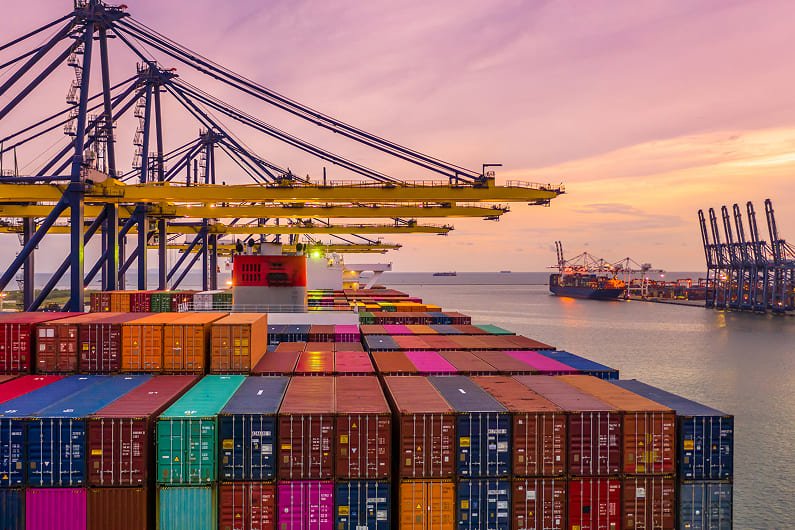
international freight forwarding

India–GCC Trade: A Growing Economic Partnership

The GCC region, comprising the United Arab Emirates (UAE), Saudi Arabia, Oman, Qatar, Bahrain, and Kuwait, remains one of India’s largest trading partners. Every day, thousands of shipments move between Indian manufacturing hubs and Gulf distribution centers, supporting industries such as retail, construction, healthcare, automotive, and agriculture.

As trade volumes continue to rise, businesses need logistics providers capable of managing shipments efficiently while ensuring compliance with international shipping regulations. Timely delivery, secure cargo handling, and cost-effective transportation have become essential factors for maintaining competitive supply chains.

Nahra India–GCC Freight Experts: Connecting Businesses Across Borders

At Nahra India–GCC freight experts, we specialize in simplifying freight movement between India and all GCC countries. Our extensive logistics network enables businesses of every size to transport goods safely and efficiently through carefully planned shipping solutions.

Whether you’re exporting commercial cargo, importing industrial equipment, or managing recurring supply chain operations, our experienced logistics professionals ensure every shipment reaches its destination with precision.

Our services are designed to minimize transit delays while maximizing operational efficiency, giving businesses confidence in every shipment.

Comprehensive Freight Solutions for Every Business

Every cargo shipment has unique requirements. That’s why Nahra offers flexible logistics services tailored to different industries and cargo types.

Our freight expertise includes:

  • General commercial cargo
  • Industrial machinery and engineering equipment
  • Food and perishable shipments
  • Pharmaceutical and medical supplies
  • Retail and e-commerce products
  • Project cargo and oversized freight
  • Consolidated and full-container shipments

By understanding the specific handling requirements of each cargo category, we ensure goods remain secure throughout the transportation process.

Efficient Ocean Freight Services

Ocean freight remains the preferred shipping method for large-volume cargo moving between India and GCC countries. It offers an economical and dependable solution for businesses transporting heavy or bulk goods.

Nahra coordinates regular container shipments from major Indian ports, including:

  • JNPT (Nhava Sheva)
  • Kochi
  • Chennai
  • Mundra
  • Tuticorin

These shipments connect with key Gulf ports such as:

  • Jebel Ali Port (UAE)
  • Khorfakkan Port (UAE)
  • Dammam Port (Saudi Arabia)
  • Hamad Port (Qatar)
  • Sohar Port (Oman)

From these strategic gateways, cargo is efficiently distributed throughout the GCC using integrated inland logistics networks.

Whether customers require Full Container Load (FCL) or Less than Container Load (LCL) services, Nahra delivers flexible options that align with shipping schedules and budget requirements.

Fast Air Freight for Time-Critical Shipments

Some shipments simply cannot wait. High-value products, urgent spare parts, pharmaceuticals, and medical supplies often require the speed of air freight.

Nahra provides reliable air cargo solutions connecting major Indian airports with key GCC destinations. Our experienced logistics team coordinates documentation, customs clearance, cargo handling, and last-mile delivery to ensure fast and secure transportation.

Businesses benefit from reduced transit times while maintaining complete shipment visibility throughout the journey.

Integrated GCC Distribution Network

Shipping cargo into the GCC is only the first step. Efficient regional distribution is equally important.

Nahra supports seamless inland transportation through Full Truck Load (FTL) and Less Than Truck Load (LTL) services, ensuring cargo reaches destinations across:

  • UAE
  • Saudi Arabia
  • Oman
  • Qatar
  • Bahrain
  • Kuwait

Our integrated logistics network enables businesses to move goods quickly between ports, warehouses, distribution centers, and final delivery locations.

International shipping requires careful attention to customs regulations and documentation. Even minor errors can lead to costly delays.

Nahra’s logistics specialists assist customers with:

  • Export and import documentation
  • Customs compliance
  • Commercial invoices
  • Packing lists
  • Certificate management
  • Cargo tracking
  • Regulatory guidance

By managing these critical processes efficiently, we help businesses avoid unnecessary disruptions while ensuring smooth cargo movement.

Tailored Logistics Solutions for Every Shipment

No two shipments are identical. Factors such as cargo type, destination, urgency, and budget all influence the most suitable transportation strategy.

Our logistics experts work closely with clients to determine the most effective shipping solution based on:

  • Type of cargo
  • Origin city in India
  • Destination country within the GCC
  • Preferred transportation mode (air or sea)
  • Delivery timeline
  • Budget considerations

This consultative approach allows businesses to optimize costs while maintaining reliable delivery performance.

Companies across industries trust Nahra because we combine regional expertise with international logistics capabilities. Our customer-focused approach ensures every shipment is handled with professionalism and attention to detail.

Businesses choose Nahra for:

  • Dedicated India–GCC freight expertise
  • Reliable air and ocean freight solutions
  • Strong regional logistics network
  • Efficient customs support
  • Flexible shipping options
  • Secure cargo handling
  • End-to-end shipment visibility
  • Personalized customer service

Our commitment to operational excellence enables clients to focus on growing their business while we manage the complexities of international freight.

As trade between India and GCC nations continues to expand, dependable logistics partnerships become increasingly valuable. Efficient freight solutions help businesses reduce costs, improve delivery performance, and strengthen supply chain resilience.

Nahra India–GCC Freight Experts remain committed to supporting this growing trade corridor with innovative, reliable, and customer-centric logistics services. Whether your shipment involves commercial goods, food products, industrial machinery, pharmaceuticals, or specialized cargo, our experienced team is ready to provide tailored freight solutions that connect your business with opportunities across the Gulf.

Partner with Nahra India–GCC Freight Experts and experience logistics built on reliability, efficiency, and a deep understanding of one of the world’s most important international trade routes.

Share Articles

About The Nahra logistics & trading

Nahra Logistics & Trading provides reliable freight forwarding, customs clearance, warehousing, and supply chain solutions, ensuring safe and timely cargo movement across domestic and international markets.

Categories
Blog

India–GCC Freight Experts: Complete Guide to Major Export Ports Connecting India and the GCC

India–GCC Freight Experts: Complete Guide to Major Export Ports Connecting India and the GCC

/
Blog

India and the Gulf Cooperation Council (GCC) countries share one of the world’s busiest and most valuable trade corridors. Every year, millions of tonnes of cargo move between India and the GCC, supporting industries such as construction, manufacturing, retail, healthcare, automotive, food processing, textiles, chemicals, and e-commerce.

As trade volumes continue to expand, businesses require reliable logistics partners who understand the complexities of international freight. Nahra India–GCC Freight Experts specialize in providing seamless logistics solutions that connect Indian exporters with all six GCC nations through strategic ports, efficient shipping routes, and integrated supply chain management.

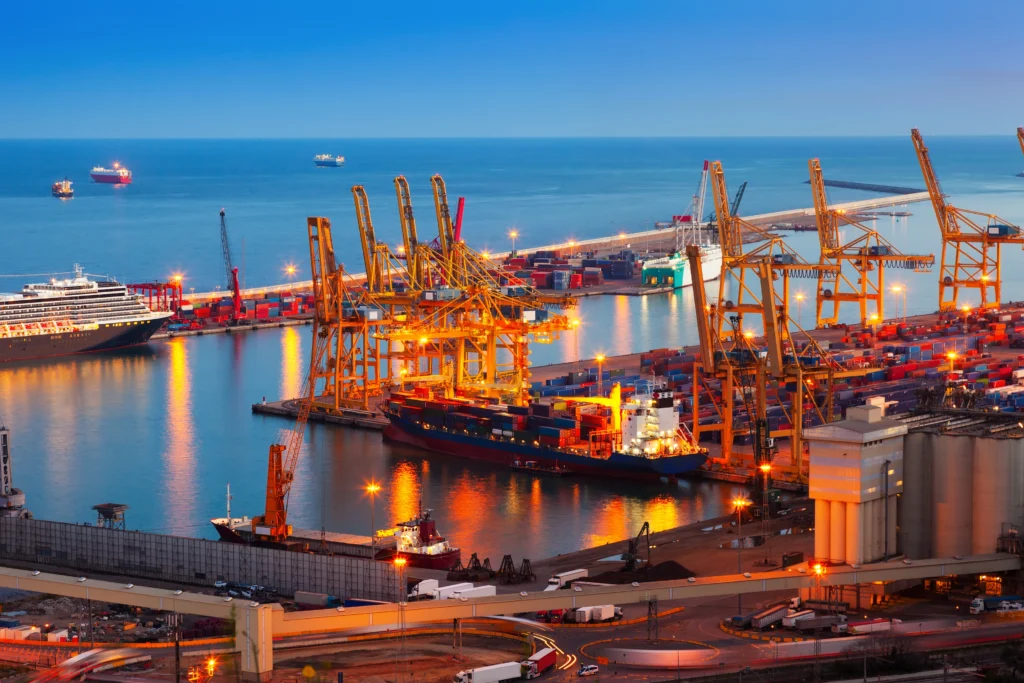
Supply Chain Management

Growing India–GCC Trade Relationship

India enjoys strong trade relations with the GCC countries:

  • United Arab Emirates (UAE)
  • Saudi Arabia
  • Oman
  • Qatar
  • Kuwait
  • Bahrain

These countries import a wide range of products from India, including:

  • Engineering goods
  • Food products
  • Rice and spices
  • Pharmaceuticals
  • Textiles and garments
  • Chemicals
  • Plastic products
  • Machinery
  • Steel products
  • Automotive components
  • Electrical equipment
  • Consumer goods

The success of this trade depends heavily on efficient port connectivity and dependable freight services.

India has a vast coastline of over 7,500 kilometers, supported by modern ports that handle international cargo destined for GCC countries.

1. Jawaharlal Nehru Port (JNPT / Nhava Sheva), Maharashtra

JNPT is India’s largest container port and the preferred gateway for exports to the Middle East.

Major exports include:

  • Engineering products
  • Chemicals
  • Pharmaceuticals
  • Electronics
  • Industrial machinery
  • Consumer goods

The port offers frequent direct shipping services to UAE, Saudi Arabia, Oman, Qatar, Bahrain, and Kuwait.

2. Mundra Port, Gujarat

Mundra is India’s largest commercial port and one of the busiest private ports.

Major exports include:

  • Petrochemicals
  • Steel
  • Textiles
  • Agricultural products
  • Industrial equipment
  • Project cargo

Its advanced infrastructure supports both Full Container Load (FCL) and Less than Container Load (LCL) shipments.

3. Hazira Port, Gujarat

Hazira serves western India’s industrial belt and handles:

  • Heavy engineering equipment
  • Chemicals
  • Bulk cargo
  • Project cargo
  • Machinery

Its proximity to manufacturing clusters makes it an important export hub.

4. Pipavav Port, Gujarat

Pipavav provides excellent connectivity for:

  • Agricultural exports
  • Auto components
  • Industrial products
  • Container cargo

It offers efficient access to Gulf shipping routes.

5. Deendayal Port (Kandla), Gujarat

Formerly known as Kandla Port, it is one of India’s oldest major ports.

Exports include:

  • Salt
  • Fertilizers
  • Timber
  • Food grains
  • Chemicals
  • Petroleum products

6. Mumbai Port, Maharashtra

Mumbai Port handles:

  • Breakbulk cargo
  • General cargo
  • Chemicals
  • Bulk commodities
  • Industrial equipment

It continues to play an important role in Middle East trade.

7. Mormugao Port, Goa

Known primarily for mineral exports, Mormugao also handles:

  • Iron ore
  • Steel products
  • Bulk cargo
  • Containerized goods

8. New Mangalore Port, Karnataka

This port supports exports of:

  • Coffee
  • Cashew
  • Petroleum products
  • Chemicals
  • Fertilizers
  • Food products

9. Cochin Port (Kochi), Kerala

Cochin is strategically located for GCC shipping.

Major exports include:

  • Seafood
  • Spices
  • Rubber products
  • Tea
  • Food products
  • Engineering goods

Its location significantly reduces transit time to Gulf countries.

10. VOC Port (Tuticorin), Tamil Nadu

Tuticorin serves southern India’s export industries.

Exports include:

  • Textile products
  • Granite
  • Salt
  • Engineering goods
  • Food products

11. Chennai Port, Tamil Nadu

One of India’s oldest ports, Chennai exports:

  • Automobiles
  • Machinery
  • Leather goods
  • Engineering products
  • Electronics

12. Kamarajar Port (Ennore), Tamil Nadu

Specializes in:

  • Automobiles
  • Coal
  • Industrial machinery
  • Project cargo

13. Visakhapatnam Port, Andhra Pradesh

Exports include:

  • Steel
  • Iron ore
  • Alumina
  • Fertilizers
  • Heavy machinery

14. Krishnapatnam Port, Andhra Pradesh

A rapidly growing port handling:

  • Agricultural cargo
  • Container freight
  • Coal
  • Industrial equipment

15. Paradip Port, Odisha

Major exports include:

  • Minerals
  • Coal
  • Steel products
  • Fertilizers

16. Haldia Dock Complex & Syama Prasad Mookerjee Port (Kolkata), West Bengal

These ports connect eastern India with Gulf markets through feeder shipping services.

Exports include:

  • Tea
  • Leather
  • Chemicals
  • Engineering products
  • Jute goods

Once cargo leaves India, it reaches world-class ports across the GCC before distribution to final destinations.

United Arab Emirates (UAE)

Jebel Ali Port – Dubai

The largest port in the Middle East and one of the busiest container ports globally.

Handles:

  • Consumer goods
  • Machinery
  • Food
  • Electronics
  • Pharmaceuticals

Khalifa Port – Abu Dhabi

A modern deep-water port handling:

  • Industrial cargo
  • Container shipments
  • Automotive logistics
  • Bulk cargo

Port Rashid – Dubai

Supports:

  • General cargo
  • Cruise logistics
  • Regional freight operations

Khorfakkan Port – Sharjah

An important transshipment hub connecting India with the wider Gulf region.

Port of Fujairah

Strategically located outside the Strait of Hormuz.

Handles:

  • Bulk cargo
  • Petroleum products
  • Container freight

Saudi Arabia

King Abdulaziz Port – Dammam

Saudi Arabia’s primary gateway for eastern provinces.

Receives:

  • Machinery
  • Construction materials
  • Industrial goods
  • Consumer products

Jeddah Islamic Port

One of the Red Sea’s largest ports, handling cargo for western Saudi Arabia.

King Abdullah Port

A rapidly expanding commercial port handling modern container operations.

Jubail Commercial Port

Supports industrial exports and imports serving Saudi Arabia’s manufacturing sector.

Oman

Port Sultan Qaboos

Handles:

  • General cargo
  • Tourism logistics
  • Regional freight

Port of Sohar

A major logistics hub connecting India with Oman and neighboring GCC countries.

Port of Salalah

One of the world’s leading transshipment ports offering extensive global connectivity.

Port of Duqm

An emerging deep-water port supporting industrial development and international trade.

Qatar

Hamad Port

Qatar’s largest commercial port.

Handles:

  • Containers
  • Food imports
  • Industrial equipment
  • Construction materials

Kuwait

Shuwaikh Port

Kuwait’s primary commercial port receiving Indian exports.

Shuaiba Port

Handles:

  • Industrial cargo
  • Container freight
  • Commercial goods

Mubarak Al Kabeer Port

An expanding logistics gateway supporting future regional trade.

Bahrain

Khalifa Bin Salman Port

Bahrain’s principal commercial port offering modern container handling and efficient customs clearance.

Common Supply Chain Challenges

Businesses involved in international trade often face several operational challenges.

These include:

  • Shipping delays
  • Rising transportation costs
  • Inventory shortages
  • Customs clearance issues
  • Supply disruptions
  • Poor demand forecasting
  • Limited shipment visibility

Working with an experienced logistics provider helps businesses overcome these challenges through better planning and integrated logistics solutions.

Technology has significantly improved the way businesses manage supply chains.

Modern logistics solutions include:

  • Real-time shipment tracking
  • Warehouse management systems
  • Digital documentation
  • Automated inventory management
  • Data-driven logistics planning

These innovations provide greater visibility, improve decision-making, and help businesses respond quickly to changing market conditions.

Selecting the right logistics partner is essential for long-term business success.

Look for a company that provides:

  • International Freight Forwarding
  • Air Freight Services
  • Sea Freight Services
  • Customs Clearance
  • Warehousing & Distribution
  • Cargo Packaging
  • Door-to-Door Delivery
  • Land Transport Services
  • End-to-End Logistics Support

A reliable logistics partner simplifies supply chain operations while ensuring consistent service quality.

Conclusion

India and the GCC continue to strengthen their trade partnership, creating tremendous opportunities for exporters across multiple industries. Efficient port infrastructure, reliable shipping routes, and experienced logistics support are the foundation of successful international trade.

With access to major export ports throughout India and strategic commercial ports across the UAE, Saudi Arabia, Oman, Qatar, Kuwait, and Bahrain, Nahra India–GCC Freight Experts provide seamless freight solutions that help businesses expand confidently into Gulf markets.

Whether your cargo is destined for Jebel Ali, Hamad Port, Sohar, Dammam, or Khalifa Bin Salman Port, Nahra offers the expertise, infrastructure, and commitment needed to keep your supply chain moving efficiently—making us your trusted partner for India–GCC freight and logistics.

Share Articles

About The Nahra logistics & Trading

Nahra Logistics & Trading provides reliable freight forwarding, customs clearance, warehousing, and supply chain solutions, ensuring safe and timely cargo movement across domestic and international markets.

Categories
Blog

How Supply Chain Management Improves Business Efficiency and Global Trade

How Supply Chain Management Improves Business Efficiency and Global Trade

/
Blog

In today’s competitive business environment, delivering products quickly, efficiently, and cost-effectively is more important than ever. Customers expect timely deliveries, businesses need better inventory control, and global markets demand seamless coordination across suppliers, manufacturers, warehouses, and transportation providers. This is where Supply Chain Management becomes a key driver of business success.

An efficient supply chain helps businesses reduce operational costs, improve customer satisfaction, minimize delays, and strengthen their position in international markets. Whether a company imports raw materials, exports finished products, or manages global distribution, effective supply chain management ensures that every stage of the logistics process works together efficiently.

Supply Chain Management

What Is Supply Chain Management?

Supply Chain Management (SCM) is the process of planning, coordinating, and managing the movement of goods, information, and resources from suppliers to end customers.

It covers every stage of the supply chain, including:

  • Procurement of raw materials
  • Manufacturing and production
  • Inventory management
  • Warehousing
  • Transportation
  • Customs clearance
  • Distribution
  • Final delivery

The objective of supply chain management is to ensure products reach customers on time while maintaining quality and controlling costs.

A well-managed supply chain provides businesses with a competitive advantage by improving efficiency and reducing unnecessary expenses.

Improves Operational Efficiency

Coordinating procurement, transportation, and inventory helps businesses eliminate delays and improve productivity.

Reduces Business Costs

Efficient planning minimizes transportation expenses, warehouse costs, and inventory holding charges.

Enhances Customer Satisfaction

Customers value reliable deliveries. A strong supply chain ensures products are delivered accurately and on schedule.

Supports Business Growth

As businesses expand into new domestic and international markets, a scalable supply chain helps manage increasing demand without affecting service quality.

Procurement and Supplier Management

Choosing reliable suppliers is the first step toward building a strong supply chain. Effective supplier management ensures consistent product quality, competitive pricing, and uninterrupted material availability.

Inventory Management

Maintaining the right inventory levels helps businesses avoid overstocking and stock shortages.

Good inventory management provides:

  • Better product availability
  • Reduced storage costs
  • Faster order fulfilment
  • Improved cash flow

Transportation and Freight Forwarding

Transportation is one of the most critical elements of supply chain management. Businesses need reliable logistics partners capable of moving goods safely and efficiently.

Depending on shipment requirements, transportation may include:

  • Air Freight Services
  • Sea Freight Services
  • Land Transport Services
  • Multimodal Transportation

Professional freight forwarding services simplify international shipping while ensuring smooth cargo movement.

Warehousing and Distribution

Warehousing provides secure storage before products are delivered to customers.

Efficient warehousing offers:

  • Inventory control
  • Faster dispatch
  • Order accuracy
  • Reduced delivery times

A well-organized distribution network helps businesses respond quickly to customer demand.

Customs Clearance

For international shipments, customs clearance plays a vital role in preventing delays.

Accurate documentation and compliance with import and export regulations ensure goods move across borders without unnecessary interruptions.

International trade depends on efficient logistics and supply chain coordination.

A strong supply chain enables businesses to:

  • Expand into international markets
  • Improve shipping efficiency
  • Reduce transit delays
  • Lower logistics costs
  • Maintain regulatory compliance
  • Improve inventory planning
  • Strengthen customer relationships

These advantages help businesses remain competitive in today’s global economy.

Common Supply Chain Challenges

Businesses involved in international trade often face several operational challenges.

These include:

  • Shipping delays
  • Rising transportation costs
  • Inventory shortages
  • Customs clearance issues
  • Supply disruptions
  • Poor demand forecasting
  • Limited shipment visibility

Working with an experienced logistics provider helps businesses overcome these challenges through better planning and integrated logistics solutions.

How Technology Is Transforming Supply Chain Management

Technology has significantly improved the way businesses manage supply chains.

Modern logistics solutions include:

  • Real-time shipment tracking
  • Warehouse management systems
  • Digital documentation
  • Automated inventory management
  • Data-driven logistics planning

These innovations provide greater visibility, improve decision-making, and help businesses respond quickly to changing market conditions.

Choosing the Right Supply Chain Partner

Selecting the right logistics partner is essential for long-term business success.

Look for a company that provides:

  • International Freight Forwarding
  • Air Freight Services
  • Sea Freight Services
  • Customs Clearance
  • Warehousing & Distribution
  • Cargo Packaging
  • Door-to-Door Delivery
  • Land Transport Services
  • End-to-End Logistics Support

A reliable logistics partner simplifies supply chain operations while ensuring consistent service quality.

Why Businesses Choose Nahra Logistics & Trading

Nahra Logistics & Trading delivers reliable Supply Chain Management solutions designed to simplify domestic and international logistics.

Our integrated services include:

  • International Freight Forwarding
  • Air Freight Services
  • Sea Freight Services
  • Import & Export Solutions
  • Customs Clearance
  • Supply Chain & Logistics Management
  • Warehousing & Distribution
  • Cargo Packaging & Door-to-Door Delivery
  • Land Transport Services

Headquartered in Thrissur, Kerala, Nahra Logistics supports businesses across India, the GCC, UAE, Oman, South Africa, Europe, Asia, and other international markets, providing dependable logistics solutions that improve operational efficiency and support global trade.

Future of Supply Chain Management

As global trade continues to evolve, businesses are investing in smarter, faster, and more sustainable supply chains.

Emerging trends include:

  • AI-powered demand forecasting
  • Real-time supply chain visibility
  • Sustainable logistics practices
  • Automation in warehousing
  • Digital freight management
  • Smart inventory optimization

Companies that embrace these innovations will be better equipped to meet customer expectations and compete in international markets.

Conclusion

Supply Chain Management is more than managing the movement of goods—it is a strategic approach that improves operational efficiency, reduces costs, and strengthens global trade. Businesses with efficient supply chains are better prepared to respond to market changes, meet customer demands, and achieve sustainable growth.

Partnering with an experienced logistics provider ensures every stage of the supply chain is managed professionally, allowing businesses to focus on expansion while delivering exceptional service to customers worldwide.

Share Articles

About The Nahra logistics & Trading

Nahra Logistics & Trading provides reliable freight forwarding, customs clearance, warehousing, and supply chain solutions, ensuring safe and timely cargo movement across domestic and international markets.
Categories
Blog

Complete Guide to Import & Export Logistics: Everything Businesses Need to Know

Complete Guide to Import & Export Logistics: Everything Businesses Need to Know

/
Blog

Expanding into international markets offers businesses new opportunities for growth, but it also brings logistical challenges. Every shipment moving across borders requires careful planning, accurate documentation, reliable transportation, and compliance with international regulations. This is where Import Export Logistics plays a crucial role.

Import and export logistics involves managing the movement of goods from one country to another while ensuring every stage of the supply chain operates efficiently. From selecting the right shipping method to customs clearance and final delivery, effective logistics helps businesses reduce costs, improve delivery performance, and strengthen customer satisfaction.

Whether you are a manufacturer, exporter, importer, wholesaler, or retailer, understanding the fundamentals of import and export logistics is essential for successful international trade.

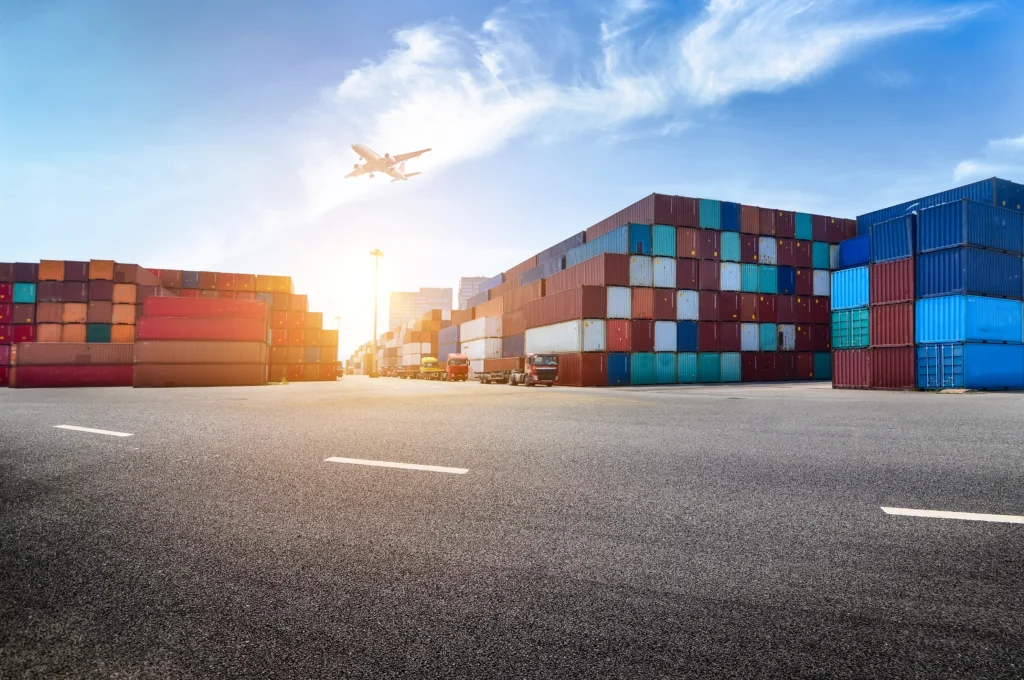
Import Export Logistics

What Is Import Export Logistics?

Import export logistics refers to the complete process of planning, managing, and transporting goods between countries. It includes every activity involved in moving cargo safely and efficiently through the global supply chain.

The logistics process typically includes:

  • Cargo planning and scheduling
  • Freight forwarding
  • Air and sea transportation
  • Customs clearance
  • Cargo packaging
  • Warehousing and distribution
  • Door-to-door delivery
  • Shipment tracking

An efficient logistics system ensures goods arrive at their destination on time while meeting all legal and regulatory requirements.

International trade depends on reliable logistics. Businesses that invest in professional logistics services gain several advantages.

Faster Global Deliveries

Efficient logistics planning reduces delays and ensures products reach international customers within the expected delivery schedule.

Lower Transportation Costs

Choosing the right transport mode and optimizing shipping routes helps businesses control freight expenses.

Better Customer Satisfaction

Reliable deliveries build customer confidence and encourage long-term business relationships.

Improved Supply Chain Visibility

Modern logistics solutions provide shipment tracking and real-time updates, helping businesses monitor cargo throughout its journey.

Regulatory Compliance

Professional logistics providers help businesses meet customs and documentation requirements, reducing the risk of shipment delays and penalties.

International Freight Forwarding

Freight forwarding is the foundation of international logistics. Freight forwarders coordinate cargo movement between countries by managing transportation, documentation, customs procedures, and communication with shipping carriers.

They simplify complex logistics processes and ensure shipments move smoothly from origin to destination.

Air Freight Services

Air freight is the preferred solution for urgent, time-sensitive, and high-value shipments.

Benefits include:

  • Fast delivery
  • High security
  • Reliable schedules
  • Reduced transit time

Businesses often choose air freight for electronics, pharmaceuticals, medical supplies, and other products requiring quick transportation.

Sea Freight Services

Sea freight remains the most economical option for transporting large cargo volumes internationally.

Businesses benefit from:

  • Full Container Load (FCL)
  • Less than Container Load (LCL)
  • Cost-effective transportation
  • Large cargo capacity
  • Global port connectivity

Sea freight is widely used for industrial equipment, machinery, consumer goods, and commercial shipments.

Customs Clearance

Every international shipment must comply with customs regulations before entering or leaving a country.

Professional Customs Clearance Services help businesses:

  • Prepare shipping documents
  • Complete customs declarations
  • Manage duties and taxes
  • Ensure regulatory compliance
  • Reduce border delays

Accurate customs procedures are essential for uninterrupted cargo movement.

Warehousing & Distribution

Warehousing provides secure storage before products are distributed to customers or retail locations.

Efficient warehousing supports:

  • Inventory management
  • Faster order fulfilment
  • Reduced operational costs
  • Better supply chain performance

Distribution services ensure products reach their final destination efficiently.

Cargo Packaging & Door-to-Door Delivery

Proper cargo packaging protects goods during transportation and reduces the risk of damage.

Door-to-door delivery simplifies logistics by managing the complete transportation process from the supplier’s location to the customer’s destination.

This provides businesses with convenience, visibility, and improved delivery coordination.

International shipping involves several challenges that businesses should prepare for.

Some of the most common include:

  • Customs documentation errors
  • Shipping delays
  • Regulatory changes
  • Port congestion
  • Rising freight costs
  • Inventory management issues
  • Communication gaps between multiple logistics providers

Partnering with an experienced logistics company helps businesses overcome these challenges through better planning and coordination.

Choosing the Right Logistics Partner

Selecting a dependable logistics partner is one of the most important decisions for businesses involved in international trade.

Look for a company that offers:

  • International Freight Forwarding
  • Air Freight Services
  • Sea Freight Services
  • Customs Clearance
  • Supply Chain Management
  • Warehousing & Distribution
  • Cargo Packaging
  • Door-to-Door Delivery
  • Shipment Tracking

An integrated logistics provider simplifies communication and ensures smooth coordination throughout the shipping process.

Why Businesses Choose Nahra Logistics & Trading

Nahra Logistics & Trading delivers reliable Import Export Logistics solutions designed to support businesses operating in global markets.

Our services include:

  • International Freight Forwarding
  • Air Freight Services
  • Sea Freight Services
  • Import & Export Solutions
  • Customs Clearance
  • Supply Chain & Logistics Management
  • Cargo Packaging & Door-to-Door Delivery
  • Warehousing & Distribution
  • Land Transport Services

Based in Thrissur, Kerala, Nahra Logistics supports businesses across India, the GCC, Oman, the UAE, South Africa, Europe, Asia, and other international destinations, helping customers move cargo safely, efficiently, and on time.

Future of Import Export Logistics

The logistics industry continues to evolve with advances in technology, automation, and digital supply chain management.

Businesses are increasingly adopting:

  • Real-time shipment tracking
  • Digital documentation
  • Automated warehouse operations
  • Data-driven logistics planning
  • Sustainable transportation practices

Companies that embrace these developments can improve efficiency, reduce costs, and strengthen their global competitiveness.

Conclusion

Effective Import Export Logistics is essential for businesses participating in international trade. It ensures products move efficiently across borders while minimizing delays, reducing costs, and maintaining compliance with global regulations.

From freight forwarding and customs clearance to warehousing and final delivery, every stage of the logistics process contributes to business success. Partnering with an experienced logistics provider helps businesses navigate international shipping with confidence and build stronger global supply chains.

Whether your business is expanding into new international markets or strengthening existing trade operations, investing in professional logistics solutions is key to long-term growth.

Share Articles

About The Nahra logistics & Trading

Nahra Logistics & Trading provides reliable freight forwarding, customs clearance, warehousing, and supply chain solutions, ensuring safe and timely cargo movement across domestic and international markets.

Categories
Blog

Why Customs Clearance Is Critical for Smooth International Trade

Why Customs Clearance Is Critical for Smooth International Trade

/
Blog

International trade has become the backbone of modern business, allowing companies to source products, reach new markets, and build global partnerships. However, moving goods across borders involves much more than transportation. Every shipment must comply with the customs regulations of the importing and exporting countries. This is where customs clearance services play a vital role.

A delay in customs clearance can lead to increased costs, missed deadlines, and dissatisfied customers. Whether you are importing raw materials or exporting finished products, understanding the customs clearance process is essential for maintaining an efficient supply chain.

customs clearance services

What Is Customs Clearance?

Customs clearance is the official process of obtaining permission from customs authorities to move goods into or out of a country. It involves verifying shipment details, checking documentation, calculating applicable duties and taxes, and ensuring compliance with local and international trade regulations.

The process includes:

  • Preparing shipping documents
  • Customs declaration
  • Duty and tax assessment
  • Cargo inspection (if required)
  • Final clearance for delivery

Without proper customs clearance, shipments cannot legally enter or leave a country.

1. Ensures Compliance with International Regulations

Every country has specific import and export regulations. Customs authorities require businesses to provide accurate documentation and follow legal procedures before goods can be released.

Professional customs clearance services help businesses comply with these regulations, reducing the risk of penalties, shipment delays, or rejected cargo.

2. Prevents Costly Shipping Delays

Time is critical in international logistics. Even minor documentation errors can hold shipments at ports or airports for days.

Experienced customs professionals carefully review commercial invoices, packing lists, certificates of origin, and other required documents before submission. This helps avoid unnecessary delays and ensures cargo moves efficiently through customs.

3. Reduces Unexpected Costs

Incorrect tariff classifications or inaccurate declarations can result in additional duties, storage charges, demurrage fees, and penalties.

Working with an experienced logistics provider ensures accurate customs documentation, helping businesses avoid unnecessary expenses while keeping shipping costs under control.

4. Improves Supply Chain Efficiency

An efficient customs clearance process keeps goods moving smoothly across borders. Faster clearance means shorter transit times, better inventory management, and improved customer satisfaction.

Businesses that rely on international shipping benefit from a predictable supply chain with fewer disruptions.

5. Minimizes Risk During Import and Export

International shipping involves various risks, including customs inspections, regulatory changes, and compliance issues.

Professional customs clearance specialists stay updated with changing trade regulations and help businesses prepare for potential challenges before shipments arrive at customs checkpoints.

The required documents may vary depending on the country and type of goods, but common documents include:

  • Commercial Invoice
  • Packing List
  • Bill of Lading or Air Waybill
  • Certificate of Origin
  • Import or Export License (if applicable)
  • Insurance Documents
  • Customs Declaration Forms

Submitting accurate documentation significantly reduces processing time.

Many businesses face avoidable issues because of incomplete documentation or unfamiliarity with customs procedures.

Some common challenges include:

  • Incorrect HS Code classification
  • Missing or incomplete shipping documents
  • Underpayment or overpayment of customs duties
  • Regulatory compliance issues
  • Cargo inspections
  • Delays caused by documentation errors

These challenges can affect delivery schedules and increase logistics costs.

How Professional Customs Clearance Services Help Businesses

Partnering with an experienced logistics company offers several advantages:

Accurate Documentation

Experts verify all paperwork before submission, minimizing errors and reducing delays.

Faster Cargo Processing

Well-prepared documentation helps customs authorities process shipments more efficiently.

Regulatory Compliance

Professional customs brokers stay informed about changing regulations, ensuring shipments meet current legal requirements.

Cost Optimization

Proper tariff classification and duty calculations help businesses avoid unnecessary expenses.

End-to-End Logistics Support

Many freight forwarding companies provide customs clearance as part of complete logistics solutions, making international shipping simpler and more efficient.

Choosing the Right Customs Clearance Partner

When selecting a customs clearance service provider, businesses should consider:

  • Industry experience
  • Knowledge of international trade regulations
  • Strong global logistics network
  • Transparent communication
  • Timely shipment updates
  • Expertise in documentation and compliance

A reliable logistics partner not only clears shipments efficiently but also supports long-term business growth.

Why Businesses Trust Nahra Logistics & Trading

At Nahra Logistics & Trading, we understand that efficient customs clearance is essential for successful international trade. Our experienced team assists businesses with documentation, regulatory compliance, import and export procedures, and seamless cargo movement.

Combined with our freight forwarding, warehousing, transportation, and supply chain solutions, we help businesses simplify global logistics while ensuring shipments reach their destinations safely and on time.

Conclusion

Customs clearance is more than a legal requirement—it is a crucial step that determines the speed, cost, and success of international shipping. Businesses that invest in professional customs clearance services reduce delays, avoid compliance issues, and improve overall supply chain efficiency.

Whether you are importing products, exporting goods, or expanding into new global markets, working with an experienced logistics partner ensures your shipments move smoothly across international borders.

If your business is looking for reliable customs clearance and end-to-end logistics solutions, partnering with an experienced freight forwarding company like Nahra Logistics & Trading can help streamline every stage of your international shipping process.

Share Articles

About The Nahra logistics & Trading

Nahra Logistics & Trading provides reliable freight forwarding, customs clearance, warehousing, and supply chain solutions, ensuring safe and timely cargo movement across domestic and international markets.

Categories
Blog

Air Freight vs Sea Freight: Which Shipping Method is Best for Your Business?

Air Freight vs Sea Freight: Which Shipping Method is Best for Your Business?

/
Blog

Choosing the right shipping method is one of the most important decisions in international trade. Whether you are importing raw materials, exporting finished products, or transporting commercial cargo, selecting the appropriate mode of transportation directly affects delivery time, shipping costs, and customer satisfaction.

Many businesses compare Air Freight vs Sea Freight before planning international shipments. While both methods are reliable, each offers unique advantages depending on the type of cargo, destination, urgency, and budget.

Understanding these differences helps businesses make informed logistics decisions and improve supply chain efficiency.

air freight

When Should You Choose Air Freight?

Air freight is suitable when:

  • Shipments are urgent
  • Products have high value
  • Cargo is lightweight
  • Delivery deadlines are critical
  • Businesses need faster inventory replenishment

Although air freight offers speed, transportation costs are generally higher than sea freight.

Air freight is the transportation of cargo through commercial or cargo aircraft. It is widely used for shipments that require fast delivery, secure handling, and reliable scheduling.

Businesses commonly choose air freight when speed is more important than transportation cost.

Advantages of Air Freight

Faster Transit Time

Air freight significantly reduces delivery time, making it the preferred option for urgent international shipments.

Greater Shipment Security

Airports follow strict cargo handling and security procedures, reducing the risk of damage or loss during transit.

Reliable Flight Schedules

Commercial airlines operate regular schedules, allowing businesses to plan deliveries more accurately.

Ideal for High-Value Cargo

Electronics, pharmaceuticals, medical equipment, automotive parts, and sensitive products often move through air freight because of the reduced transit time.

Sea freight involves transporting cargo through container vessels across international shipping routes. It is the most widely used shipping method for global trade because it allows businesses to move large quantities of goods economically.

Sea freight is especially suitable for bulk shipments and heavy cargo.

Cost-Effective Transportation

Sea freight is considerably more economical for large-volume shipments, helping businesses reduce transportation expenses.

Ideal for Large Cargo

Heavy machinery, industrial equipment, construction materials, furniture, textiles, and commercial goods can be transported efficiently using sea freight.

Flexible Container Options

Businesses can choose:

  • Full Container Load (FCL)
  • Less than Container Load (LCL)

This flexibility allows companies to select shipping options based on cargo volume.

Supports Global Trade

Sea freight connects major ports across Asia, Europe, the Middle East, Africa, and the Americas, making it an essential part of international trade.

When Should You Choose Sea Freight?

Sea freight is recommended when:

  • Delivery time is flexible
  • Cargo volume is high
  • Shipping costs need to be minimized
  • Goods are heavy or oversized
  • Businesses require regular international shipments

Although transit time is longer, sea freight remains the most economical option for international cargo.

Factors to Consider Before Choosing

Nature of Your Cargo

Perishable products, medical supplies, and time-sensitive goods are generally better suited for air freight.

Heavy industrial equipment, machinery, and commercial inventory are more economical when transported by sea.

Delivery Timeline

If your customer requires immediate delivery, air freight is the better choice.

If delivery schedules allow additional transit time, sea freight provides significant cost savings.

Shipping Budget

Transportation costs should always be balanced with delivery requirements.

Businesses shipping large quantities regularly often benefit from sea freight, while urgent shipments justify the higher cost of air freight.

Destination and Trade Route

Some destinations have excellent airport connectivity, while others are better served through international ports.

A professional freight forwarding company can recommend the most efficient transportation method based on destination and shipping schedules.

Can Businesses Combine Air and Sea Freight?

Yes. Many international businesses use multimodal logistics solutions by combining both transportation methods.

For example:

  • Urgent inventory can be shipped by air.
  • Bulk stock can be transported by sea.

This strategy balances delivery speed and transportation costs while improving supply chain flexibility.

Why Freight Forwarding Matters

Choosing the right transportation method is only one part of international shipping. Businesses also need support with customs documentation, cargo handling, warehousing, and shipment coordination.

An experienced freight forwarding company helps:

  • Plan the best shipping route
  • Coordinate transportation
  • Manage customs clearance
  • Track shipments
  • Reduce shipping delays
  • Optimize logistics costs

Working with a reliable logistics partner simplifies international trade and minimizes operational challenges.

Why Choose Nahra Logistics & Trading?

Nahra Logistics & Trading offers comprehensive international logistics solutions tailored to different business requirements.

Our services include:

  • International Freight Forwarding
  • Air Freight Services
  • Sea Freight Services
  • Import & Export Solutions
  • Customs Clearance
  • Supply Chain & Logistics Management
  • Cargo Packaging & Door-to-Door Delivery
  • Warehousing & Distribution
  • Land Transport Services

From our headquarters in Thrissur, Kerala, we support businesses across India, GCC countries, Oman, UAE, South Africa, Europe, Asia, and other international markets, providing dependable logistics solutions for businesses of every size.

The choice between Air Freight vs Sea Freight depends on your business priorities. If speed and reliability are essential, air freight offers the fastest solution for time-sensitive shipments. If cost efficiency and larger cargo volumes are your primary concerns, sea freight provides a practical and economical option.

Many businesses benefit from using both methods strategically, depending on the shipment. By working with an experienced logistics partner such as Nahra Logistics & Trading, businesses can select the right transportation mode, simplify international shipping, and build a more efficient supply chain.

Share Articles

About The Nahra logistics & Trading

Nahra Logistics & Trading provides reliable freight forwarding, customs clearance, warehousing, and supply chain solutions, ensuring safe and timely cargo movement across domestic and international markets.

Categories
Blog

How to Choose the Right International Freight Forwarding Company for Your Business

How to Choose the Right International Freight Forwarding Company for Your Business

/
Blog

Expanding your business into international markets opens the door to new customers and growth opportunities, but it also brings logistical challenges. Shipping products across countries requires careful planning, compliance with international regulations, timely transportation, and efficient coordination between multiple parties. This is where an experienced International Freight Forwarding Company becomes an essential business partner.

A freight forwarding company does much more than arrange transportation. It manages the movement of goods through air, sea, and land, coordinates documentation, assists with customs clearance, and ensures shipments reach their destinations safely and on time.

With so many logistics providers available, choosing the right partner can be difficult. This guide explains the key factors every business should consider before selecting an international freight forwarding company.

international freight forwarding

What Does an International Freight Forwarding Company Do?

An international freight forwarding company acts as the link between exporters, importers, shipping carriers, customs authorities, and transportation providers. Instead of managing every stage of the shipping process yourself, a freight forwarder coordinates the complete journey.

Typical services include:

  • International Air Freight
  • Sea Freight (FCL & LCL)
  • Land Transportation
  • Customs Clearance
  • Cargo Packaging
  • Warehousing & Distribution
  • Door-to-Door Delivery
  • Shipment Tracking
  • Import & Export Documentation

Working with a professional logistics partner helps businesses reduce delays, improve efficiency, and focus on their core operations.

1. Look for Industry Experience

Experience plays an important role in international logistics. Every country has different customs regulations, documentation requirements, and shipping procedures.

A company with experience in handling international shipments understands how to plan transportation, avoid unnecessary delays, and manage unexpected challenges.

Before selecting a logistics partner, ask:

  • How long have they been operating?
  • Which countries do they serve?
  • Which industries do they support?
  • Do they manage both imports and exports?

An experienced freight forwarding company can offer practical solutions based on real-world logistics knowledge.

2. Evaluate Their Global Network

International shipping depends on strong relationships with airlines, shipping lines, customs agents, transport providers, and warehouse operators.

A logistics company with a well-established global network can offer:

  • Better shipping options
  • Faster cargo movement
  • Competitive freight rates
  • Reliable delivery schedules

If your business exports to the GCC, Europe, Asia, or Africa, ensure the company has experience handling shipments to those regions.

3. Check the Range of Logistics Services

Choosing a logistics provider that offers multiple services under one roof can save both time and operational costs.

Look for companies offering:

  • International Freight Forwarding
  • Air Freight Services
  • Sea Freight Services
  • Customs Clearance
  • Import & Export Solutions
  • Warehousing
  • Distribution
  • Supply Chain Management
  • Door-to-Door Delivery

Integrated logistics services improve communication and reduce coordination between multiple vendors.

4. Ensure Strong Customs Clearance Support

Customs documentation is one of the most important aspects of international trade. Errors can result in shipment delays, additional charges, or compliance issues.

Choose a freight forwarding company that understands customs procedures and assists with:

  • Shipping documentation
  • Commercial invoices
  • Packing lists
  • Import and export regulations
  • Customs declarations

Professional customs support helps businesses move cargo smoothly across international borders.

5. Consider Technology and Shipment Tracking

Modern logistics depends on visibility.

Businesses should be able to monitor shipment status throughout the transportation process.

Look for logistics providers offering:

  • Real-time shipment tracking
  • Delivery updates
  • Digital documentation
  • Prompt customer communication

Technology improves transparency and helps businesses plan inventory more effectively.

6. Compare Air Freight and Sea Freight Options

Different shipments require different transportation methods.

Air Freight is suitable for:

  • Urgent deliveries
  • High-value goods
  • Time-sensitive cargo

Sea Freight is ideal for:

  • Bulk cargo
  • Large commercial shipments
  • Cost-effective international transportation

A reliable freight forwarding company will recommend the best option based on your shipment size, budget, and delivery timeline.

7. Evaluate Customer Support

International shipping sometimes involves unexpected changes, including weather disruptions, customs inspections, or schedule adjustments.

Choose a logistics company that provides responsive customer support and regular shipment updates.

Reliable communication helps businesses make informed decisions and respond quickly to changing situations.

Every shipment represents valuable business assets.

Professional freight forwarders follow proper cargo handling procedures to reduce the risk of damage during transportation.

This includes:

  • Secure packaging
  • Proper loading
  • Safe storage
  • Careful handling during transit

Protecting cargo should always be a priority.

9. Review the Company's Reputation

Before choosing a logistics partner, research their reputation.

Look for:

  • Customer reviews
  • Industry experience
  • Business credibility
  • Successful project history
  • Professional communication

A trusted logistics company builds long-term relationships through consistent service quality.

10. Choose a Logistics Partner That Can Grow with Your Business

As your business expands, your logistics requirements will also evolve.

A freight forwarding company should be able to support:

  • New international markets
  • Higher shipment volumes
  • Multiple transportation methods
  • Warehousing
  • Distribution
  • Supply chain optimization

Selecting a long-term logistics partner ensures smoother business growth.

Businesses involved in international trade require more than transportation—they need a logistics partner capable of managing every stage of the supply chain.

Nahra Logistics & Trading provides:

  • International Freight Forwarding
  • Air Freight Services
  • Sea Freight Services
  • Import & Export Solutions
  • Customs Clearance
  • Land Transport Services
  • Warehousing & Distribution
  • Cargo Packaging & Door-to-Door Delivery
  • Supply Chain & Logistics Management

Headquartered in Thrissur, Kerala, Nahra Logistics supports businesses across India, GCC countries, Oman, UAE, South Africa, Europe, Asia, and other international markets, delivering dependable logistics solutions tailored to customer requirements.

Choosing the right International Freight Forwarding Company is an important decision that can directly impact shipping efficiency, customer satisfaction, and business growth. A logistics partner with global expertise, integrated services, strong customs knowledge, and reliable customer support can simplify international trade and help businesses reach new markets with confidence.

Whether you are exporting products for the first time or expanding your global operations, investing in the right freight forwarding partner will create a stronger, more efficient supply chain for the future.

Share Articles

About The Nahra logistics & trading

Nahra Logistics & Trading provides reliable freight forwarding, customs clearance, warehousing, and supply chain solutions, ensuring safe and timely cargo movement across domestic and international markets.