

Nahra Logistics & Trading

Categories
Blog

Bulk Containers from Oman and the UAE to worldwide

Bulk Containers from Oman and the UAE to worldwide

/
Blog
international freight forwarding

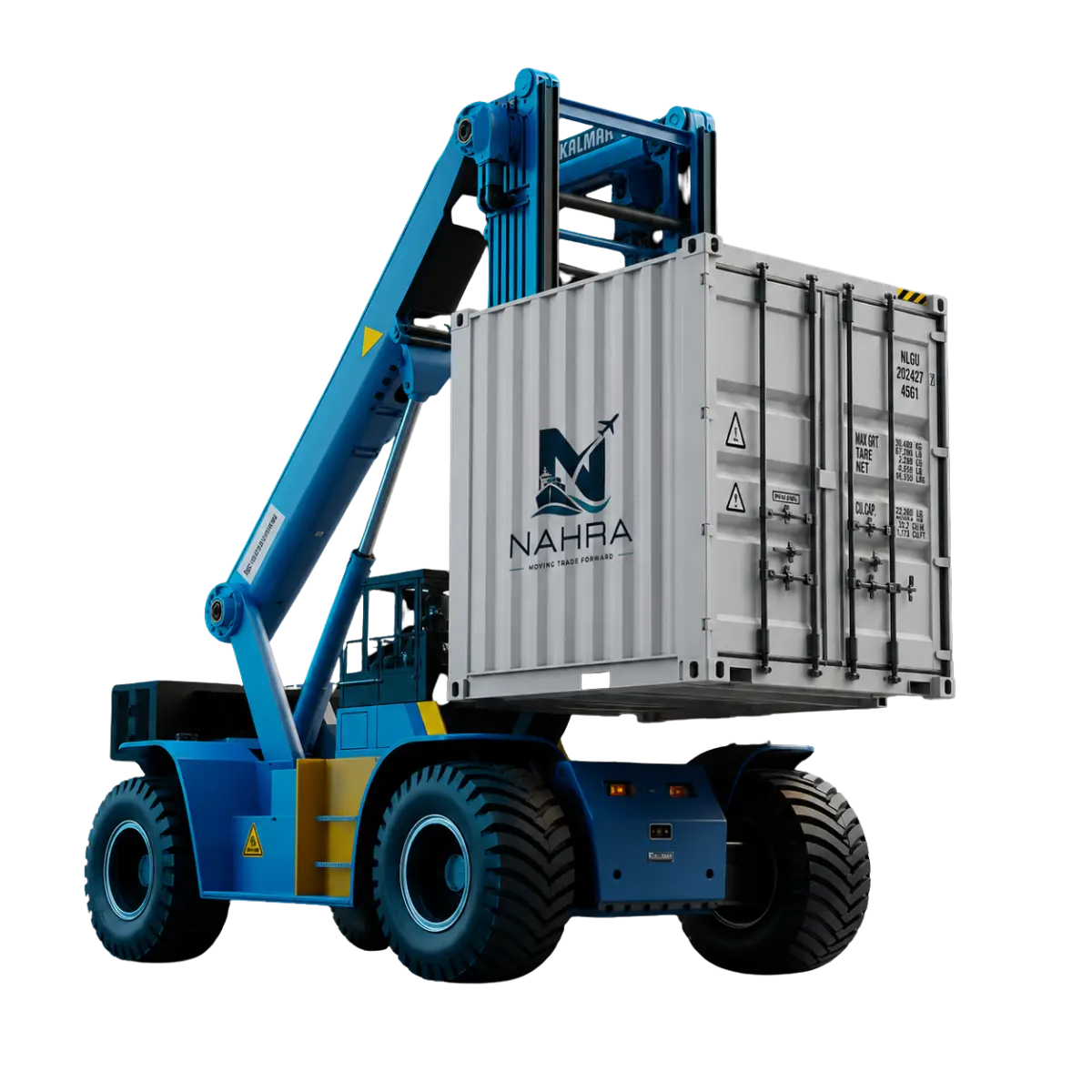
Bulk Containers from Oman and the UAE to Worldwide

International shipping is essential for businesses involved in global trade, enabling the transportation of commercial goods, industrial materials, machinery, and large-volume cargo across international markets. Bulk containers from Oman and the UAE to worldwide destinations offer businesses a practical solution for moving goods efficiently while managing transportation costs and supply chain requirements.

Nahra Shipping provides international freight forwarding and logistics solutions for businesses shipping cargo from Oman and the United Arab Emirates (UAE) to destinations worldwide. By considering cargo volume, transportation requirements, destination ports, and shipping schedules, businesses can identify suitable container shipping options for their import and export operations.

Whether you are shipping goods from Muscat, Sohar, Salalah, Dubai, Abu Dhabi, or Jebel Ali, selecting an appropriate freight forwarding solution is important for effective cargo planning and international transportation.

What Is Bulk Container Shipping?

Bulk container shipping involves transporting large quantities of goods through containerised shipping services. It is commonly used by manufacturers, wholesalers, distributors, importers, and exporters that need to move commercial products, packaged commodities, industrial equipment, and other cargo internationally.

Depending on the shipment size and cargo requirements, businesses can choose Full Container Load (FCL), Less Than Container Load (LCL), or specialised container solutions. The right option depends on factors such as cargo dimensions, weight, packaging, handling requirements, destination regulations, and available shipping services.

For businesses handling substantial cargo volumes, container shipping can support organised transportation, inventory planning, and international distribution.

Bulk Container Shipping from Oman to Worldwide Destinations

Oman serves as an important trading location connecting regional businesses with international markets across Asia, Africa, Europe, and other parts of the world. Its ports and logistics infrastructure support the movement of commercial cargo for various industries.

Nahra Shipping assists businesses in exploring international freight forwarding options for shipments departing from Oman. Companies exporting machinery, industrial supplies, construction materials, packaged goods, and other commercial products can evaluate suitable shipping arrangements based on their cargo specifications and destination requirements.

Before shipping, businesses should confirm container availability, cargo dimensions, gross weight, packaging standards, required documentation, and applicable export regulations. Proper preparation can help reduce avoidable delays and support a smoother shipping process.

Sea freight is often considered for large-volume shipments because it can accommodate substantial cargo quantities. However, the most suitable service depends on the destination, urgency, cargo characteristics, and available routes.

Bulk Container Shipping from the UAE to Worldwide Destinations

The United Arab Emirates is a major international trading and logistics hub connecting businesses with markets across the Middle East, Asia, Africa, Europe, and beyond. Its established transportation infrastructure supports international cargo movement for companies of different sizes.

Jebel Ali Port in Dubai is a significant gateway for containerised international trade. Businesses exporting goods from the UAE can explore container shipping services to destinations such as India, Southeast Asia, Africa, and Europe, subject to carrier schedules and route availability.

Nahra Shipping supports businesses looking for freight forwarding solutions from the UAE to international destinations. By reviewing shipment details, container requirements, and transportation arrangements, businesses can make informed decisions when planning their cargo movements.

The final shipping solution should be selected according to the cargo type, destination port, required transit time, container availability, and applicable transportation conditions.

Types of Container Shipping Solutions

Full Container Load (FCL)

Full Container Load shipping is suitable for businesses that require an entire container for their shipment. It is commonly used for large commercial consignments, manufacturing materials, machinery, and substantial quantities of packaged products.

FCL shipping can provide greater control over cargo loading and reduce the need to combine goods from multiple shippers in one container. Its overall cost-effectiveness depends on cargo volume, route, freight rates, and additional charges.

Less Than Container Load (LCL)

Less Than Container Load shipping allows businesses to share container space with other shippers. It can be suitable for smaller consignments that do not require an entire container.

LCL charges may depend on cargo volume, weight, handling requirements, and applicable minimum fees. Businesses should compare the total shipping cost, handling arrangements, and expected transit time before selecting this option.

Specialised Container Shipping

Certain shipments require specialised equipment to accommodate their size, weight, or handling needs. Depending on cargo specifications and route availability, options may include open-top containers, flat racks, or temperature-controlled containers.

Choosing the appropriate container helps ensure that cargo can be loaded, transported, and handled according to its specific requirements.

Industries That Benefit from Bulk Container Shipping

Bulk container shipping supports a wide range of commercial sectors. Manufacturing companies use containerised transportation for raw materials, components, and finished products. Wholesalers and distributors rely on international freight services to replenish inventory and move goods between markets.

Construction businesses may require containers for building materials, equipment, and industrial supplies. Retailers and e-commerce companies can use container shipping to transport products in larger quantities, while agricultural and commodity traders may need suitable arrangements for permitted packaged goods.

Cargo requirements vary by industry. Loose bulk commodities, liquids, hazardous materials, and oversized machinery may require specialised transportation arrangements rather than standard dry containers.

Customs Clearance and Shipping Documentation

Accurate documentation is essential for international container shipping. Depending on the origin, destination, cargo type, and applicable regulations, required documents may include a commercial invoice, packing list, bill of lading, certificate of origin, export declaration, and relevant permits.

Import and export regulations vary between countries. Customs duties, taxes, inspections, and restrictions may apply depending on the goods being transported.

Nahra Shipping can help businesses understand relevant freight forwarding and shipping documentation requirements within the agreed service scope. Importers and exporters should verify the final requirements with their freight forwarder, customs broker, carrier, and relevant authorities before dispatch.

Providing accurate cargo descriptions, declared values, weights, dimensions, and consignee details helps support effective shipment processing.

Factors Affecting Bulk Container Shipping Costs

The cost of shipping bulk containers from Oman and the UAE to worldwide destinations depends on several factors:

  • Origin and destination: Port selection, shipping routes, and destination charges influence freight costs.

  • Container size and type: Standard and specialised containers have different pricing structures.

  • Cargo weight and dimensions: Heavy, oversized, or specialised cargo may involve additional charges.

  • Market conditions: Freight rates, container availability, and seasonal demand can affect prices.

  • Customs and handling: Port fees, documentation, inspections, and clearance charges may apply.

  • Additional services: Inland transportation, insurance, storage, and final delivery can increase the overall cost.

To obtain an accurate quotation, businesses should provide the cargo description, origin, destination, dimensions, gross weight, preferred shipping date, and container requirements. They should also clarify which charges are included in the quotation.

Why Choose Nahra Shipping for Bulk Container Freight?

Choosing a freight forwarding partner requires careful consideration of communication, service scope, route availability, documentation support, and pricing transparency.

Nahra Shipping offers freight forwarding and logistics support for businesses exploring container shipping from Oman and the UAE to worldwide destinations. The service approach focuses on understanding cargo requirements and helping businesses identify appropriate transportation arrangements for their international shipments.

Before confirming a booking, businesses should review the proposed shipping schedule, estimated transit time, applicable charges, carrier arrangements, and destination handling requirements. Delivery times and costs may vary according to route conditions, customs procedures, carrier schedules, and operational factors.

How to Arrange Bulk Container Shipping

To arrange an international container shipment, first identify the cargo type, quantity, dimensions, weight, origin, and destination. Ensure that the goods are properly packed and that any required permits or export documentation are available.

Next, request a freight quotation from Nahra Shipping and compare suitable FCL, LCL, or specialised container options. Review the proposed schedule, charges, documentation requirements, and agreed service scope before confirming the booking.

Once the arrangements are finalised, cargo collection or port delivery, export clearance, transportation, and destination procedures can be coordinated according to the shipment agreement.

Planning in advance can be particularly useful for large consignments, regular commercial shipments, and seasonal inventory movements.

Get a Bulk Container Shipping Quote from Nahra Shipping

If your business requires bulk containers from Oman and the UAE to worldwide destinations, Nahra Shipping can help you explore suitable international freight forwarding options based on your cargo and transportation requirements.

Contact Nahra Shipping with your shipment details, preferred route, container type, and expected shipping date to request a tailored quotation. Selecting the right container solution, preparing accurate documentation, and planning transportation requirements can help businesses manage international cargo movements more effectively.

Share Articles

About The Nahra logistics & trading

Nahra Logistics & Trading provides reliable freight forwarding, customs clearance, warehousing, and supply chain solutions, ensuring safe and timely cargo movement across domestic and international markets.

Categories
Blog

Swap Body from Oman and the UAE to worldwide

Swap Body from Oman and the UAE to worldwide

/
Blog
international freight forwarding

Swap Body Shipping from Oman and the UAE

Efficient cargo transportation is essential for businesses managing distribution networks, industrial shipments, and cross-border logistics. Swap body systems offer a flexible solution for moving goods between road and rail transport, helping logistics operators improve vehicle utilisation and streamline cargo handling.

Swap body shipping from Oman and the UAE to worldwide destinations can support businesses seeking flexible intermodal transportation solutions for suitable cargo. By understanding how swap bodies work, their benefits, and their transportation requirements, businesses can make informed decisions when planning international freight movements.

Nahra Logistics provides international freight forwarding and logistics support for businesses with different transportation requirements. Choosing the right equipment and transport arrangement depends on cargo specifications, route availability, and the infrastructure available at the origin and destination.

What Is a Swap Body?

A swap body is a removable cargo unit designed primarily for intermodal transportation, particularly between road and rail. Unlike a conventional freight container, many swap bodies are designed with folding support legs, allowing the unit to be detached from a vehicle without requiring the entire truck to remain in place.

Swap bodies are widely used in logistics networks where cargo needs to move between different transport modes. They can help operators transfer loads efficiently between vehicles and terminals, depending on the equipment design and handling facilities.

Common applications include:

  • Palletised commercial goods

  • Packaged consumer products

  • Industrial materials

  • Retail and distribution cargo

  • General dry freight

  • Selected temperature-controlled goods, when suitable equipment is available

Not every swap body is suitable for international sea freight. Businesses should confirm whether the equipment can be transported on the intended vessel and accepted by the relevant carrier and terminals.

Why Use Swap Body Transportation?

Swap body systems can offer several advantages for businesses operating suitable road and intermodal freight networks.

1. Flexible Cargo Transfers

Swap bodies can be detached from one compatible vehicle and connected to another, allowing cargo units to be transferred without unloading and reloading individual packages in suitable operations.

2. Improved Vehicle Utilisation

While one swap body is being loaded or unloaded, a vehicle may be available for another task. This can help logistics operators manage fleet utilisation more efficiently.

3. Support for Intermodal Logistics

Swap bodies are commonly used in road-rail transport systems. Where compatible infrastructure and services exist, they can help businesses combine transport modes as part of a wider logistics plan.

4. Suitable for Distribution Networks

Businesses moving packaged goods between warehouses, distribution centres, and regional terminals may benefit from removable cargo units that support scheduled freight operations.

5. Flexible Operational Planning

Separating the cargo unit from the vehicle can help businesses coordinate loading, storage, and transportation activities independently, subject to the equipment and terminal arrangements.

Swap Body Shipping from Oman

Oman supports regional and international trade through its road networks, ports, and logistics infrastructure. Businesses operating distribution and freight networks may consider swap body systems for suitable domestic or regional transport operations.

When planning a shipment from Oman, the first step is to identify whether the cargo movement is best suited to road transport, road-rail intermodal services, or a combination of transport modes.

For international sea freight, the compatibility of the swap body must be verified. Many swap bodies are designed primarily for road and rail use and may not be approved for lifting or securing on a vessel in the same way as standard ISO shipping containers.

Businesses should therefore confirm equipment specifications, terminal handling arrangements, carrier acceptance, and any requirements for transferring cargo into a sea-freight container before booking.

Swap Body Shipping from the UAE

The UAE is an important regional logistics hub serving businesses involved in distribution, manufacturing, retail, and international trade.

Swap body systems may be useful for suitable road freight and intermodal operations connecting warehouses, industrial facilities, and logistics terminals. Their practicality depends on the availability of compatible vehicles, handling equipment, and transport infrastructure.

For shipments from the UAE to overseas destinations, businesses should determine whether a swap body can be used for the entire route or whether the cargo must be transferred into a conventional container or another approved transport unit for the sea freight leg.

Planning these details in advance can help businesses evaluate handling requirements, transfer costs, and delivery schedules.

Swap Bodies and International Freight Transportation

Swap bodies are primarily associated with road and rail transportation, whereas standard ISO containers are widely used in international maritime freight.

The distinction is important when planning shipments from Oman and the UAE to worldwide destinations.

Road Transportation

Swap bodies can be used in compatible road freight networks to move cargo between warehouses, distribution centres, and terminals. Their removable design can help coordinate loading and vehicle operations.

Rail Transportation

Where suitable intermodal rail infrastructure and compatible equipment are available, swap bodies can be transferred between road vehicles and rail services. Route availability must be checked for the origin, destination, and intended transit corridor.

Sea Freight Connections

For international ocean shipping, businesses must verify whether the specific swap body is approved for maritime transport and compatible with the vessel and terminal handling systems. If it is not, the cargo may need to be transferred into a standard shipping container or another approved unit.

The most appropriate arrangement depends on the route, cargo characteristics, available equipment, and total logistics cost.

Types of Cargo Suitable for Swap Body Systems

Swap bodies are generally used for cargo that can be loaded securely and transported within the equipment’s design limits.

Examples include:

  • Cartons and palletised products

  • Packaged retail and consumer goods

  • Industrial components

  • General dry freight

  • Distribution and warehouse cargo

  • Selected temperature-sensitive goods in appropriately equipped units

Cargo dimensions, payload limits, loading access, and securing requirements should be checked before selecting a swap body. Dangerous goods and specialised commodities may require additional equipment approvals and compliance checks.

Documents Required for International Cargo Movements

Documentation requirements depend on the cargo, transport modes, countries involved, and applicable regulations. Common documents may include:

  • Commercial invoice: Describes the goods and their declared value.

  • Packing list: Specifies quantities, packaging, and shipment weights.

  • Transport documents: Road consignment notes, rail documents, or bills of lading may apply to different transport legs.

  • Customs declarations: Support export, transit, and import clearance.

  • Certificate of origin: May be required depending on the destination and trade arrangements.

  • Permits and additional certificates: May apply to regulated goods or specific routes.

Businesses should confirm documentation requirements with their freight forwarder, carriers, customs brokers, and relevant authorities before dispatch.

Factors Affecting Swap Body Shipping Costs

The total cost of a swap body movement depends on several operational factors.

  • Cargo volume and weight: These determine equipment suitability and transport requirements.

  • Origin and destination: Distance, route availability, and terminal access affect transportation costs.

  • Transport mode: Road, rail, sea freight, or combined arrangements have different cost structures.

  • Equipment availability: Compatible swap bodies, vehicles, and handling equipment may affect pricing.

  • Cargo transfer requirements: Transferring goods into another transport unit may add handling and labour costs.

  • Storage and terminal charges: Warehousing, loading, unloading, and terminal services may contribute to the total.

  • Customs and documentation: Clearance services, permits, duties, and taxes may apply.

Providing complete cargo information and the intended route helps logistics providers determine the most suitable arrangement and prepare an accurate quotation.

How Nahra Logistics Can Support Your Shipment

Nahra Logistics provides international freight forwarding support for businesses transporting goods from Oman and the UAE to worldwide markets.

Businesses considering swap body transportation can discuss their cargo requirements, road freight arrangements, intermodal options, international container compatibility, documentation, and onward delivery needs.

Because swap bodies are not universally interchangeable with standard shipping containers, the equipment and transport plan must be confirmed for each route. Where a swap body is unsuitable for the maritime leg, an alternative container or cargo transfer arrangement may be necessary.

Early planning helps businesses understand the available options and coordinate transportation across the supply chain.

Conclusion

Swap body transportation can provide flexibility for suitable road freight and intermodal logistics operations. For businesses shipping from Oman and the UAE to worldwide destinations, the key consideration is determining whether the swap body can be used throughout the intended route or whether cargo transfer to another approved transport unit is required.

Nahra Logistics can help businesses explore freight forwarding options based on their cargo, origin, destination, and transport requirements. Contact Nahra Logistics to discuss your shipment and request a tailored logistics quotation.

Share Articles

About The Nahra logistics & trading

Nahra Logistics & Trading provides reliable freight forwarding, customs clearance, warehousing, and supply chain solutions, ensuring safe and timely cargo movement across domestic and international markets.

Categories
Blog

Heavy and Odd-Shaped Cargo from Oman and the UAE to worldwide

Heavy and Odd-Shaped Cargo from Oman and the UAE to worldwide

/
Blog
international freight forwarding

Heavy and Odd-Shaped Cargo Shipping

Transporting heavy and odd-shaped cargo internationally requires specialised logistics planning, suitable transport equipment, and careful coordination at every stage of the journey. Unlike standard boxed goods, oversized machinery, industrial equipment, construction materials, and irregularly shaped items may require special loading methods, securement systems, and route assessments.

Heavy and odd-shaped cargo shipping from Oman and the UAE to worldwide destinations helps businesses move large, bulky, and non-standard shipments to international markets. With proper freight planning, businesses can manage complex cargo movements while addressing transportation, handling, and regulatory requirements.

Nahra Logistics provides international freight forwarding and logistics support for businesses shipping different types of cargo. Understanding the requirements of heavy and odd-shaped shipments can help exporters and importers choose an appropriate shipping solution.

What Is Heavy and Odd-Shaped Cargo?

Heavy cargo refers to goods that exceed standard handling or transport weight limits or require specialised lifting equipment. Odd-shaped cargo, also known as irregular or non-standard cargo, includes items whose dimensions or shape make conventional container loading difficult.

These shipments may require specialised containers, flat-rack equipment, open-top containers, breakbulk services, or other project cargo arrangements.

Common examples include:

  • Industrial machinery and manufacturing equipment

  • Construction and mining machinery

  • Large pipes, steel structures, and metal components

  • Generators, turbines, and industrial engines

  • Agricultural machinery and equipment

  • Oversized components for oil, gas, and energy projects

  • Large equipment parts and irregularly shaped industrial goods

The most suitable shipping method depends on the cargo’s weight, dimensions, centre of gravity, lifting points, and destination requirements.

Why Choose Professional Heavy Cargo Shipping?

Moving oversized and heavy cargo requires more planning than conventional freight. Professional freight coordination can help businesses prepare their shipments and manage transportation challenges.

1. Specialised Transport Planning

Heavy and odd-shaped cargo may require detailed measurements, lifting assessments, loading plans, and route evaluations. Planning these requirements in advance helps identify potential restrictions before transportation begins.

2. Suitable Shipping Equipment

Standard containers may not accommodate every shipment. Depending on the cargo, flat-rack containers, open-top containers, heavy-lift vessels, or breakbulk services may be more appropriate.

3. Secure Cargo Handling

Heavy cargo must be lifted, positioned, and secured using suitable equipment and approved methods. Proper lashing and securing help minimise movement during handling and transportation.

4. Support for Industrial and Infrastructure Projects

Industries such as construction, manufacturing, energy, and mining often depend on the movement of large equipment and specialised components. Planned cargo transportation helps coordinate deliveries with project schedules.

5. International Shipping Coordination

Heavy cargo movements may involve multiple transport providers, port operators, customs authorities, and specialised handling teams. Coordinating these requirements helps businesses manage international shipments more effectively.

Heavy and Odd-Shaped Cargo Shipping from Oman

Oman supports international trade through its maritime infrastructure and connections to global shipping routes. Businesses transporting industrial equipment, construction machinery, steel structures, and oversized components from Oman may need specialised freight arrangements based on their cargo specifications.

Before booking, the cargo’s dimensions and weight should be assessed to determine whether it can be transported in a standard container or requires specialised equipment.

Depending on the shipment and available services, transport planning may include port selection, lifting arrangements, loading and securing procedures, export documentation, and delivery coordination.

For project cargo, early planning is especially important because lifting equipment, vessel capacity, permits, and destination handling facilities may need to be arranged in advance.

Heavy and Odd-Shaped Cargo Shipping from the UAE

The UAE is a major regional logistics and trading centre, serving businesses across construction, manufacturing, energy, infrastructure, and industrial sectors.

Companies exporting heavy machinery and oversized components from the UAE can explore freight forwarding solutions based on cargo size, weight, route, and delivery requirements.

Depending on the shipment, available options may include specialised container shipping, flat-rack or open-top containers, breakbulk freight, and heavy-lift services. The selected option must be confirmed with the carrier or specialist transport provider before booking.

Businesses should also assess road access, bridge and axle-load restrictions, lifting capacity, and permit requirements when transporting oversized cargo between facilities and ports.

Shipping Methods for Heavy and Odd-Shaped Cargo

Selecting the right transport method is essential for safe and efficient cargo movement.

Flat-Rack Containers

Flat-rack containers have end walls and an open structure that can accommodate cargo that exceeds the width or height limits of standard containers, subject to equipment specifications. They are commonly considered for machinery, steel structures, and large industrial components.

Open-Top Containers

Open-top containers allow cargo to be loaded from above, which can be useful for tall or heavy items that require crane loading. Suitability depends on cargo dimensions, weight limits, and the carrier’s loading requirements.

Breakbulk Shipping

Breakbulk shipping is used for cargo transported as individual pieces rather than inside standard freight containers. It may be suitable for large equipment, steel components, and other items that cannot be containerised economically or practically.

Heavy-Lift and Project Cargo Services

Heavy-lift and project cargo services may be needed for exceptionally heavy or complex shipments. These movements can require engineering assessments, specialised lifting plans, route surveys, and coordinated transport arrangements.

Important Preparations Before Shipping

Businesses can improve shipment planning by preparing accurate cargo information before requesting a quotation.

  • Confirm dimensions and weight: Provide the exact length, width, height, gross weight, and number of pieces.

  • Assess lifting points: Identify approved lifting points and any special handling instructions.

  • Prepare cargo drawings: Technical drawings and photographs can help providers evaluate the shipment.

  • Select suitable packaging or protection: Protect exposed surfaces and sensitive components against impact, weather, and corrosion where appropriate.

  • Plan securement: Confirm lashing points, securing materials, and applicable cargo-securing requirements.

  • Check route restrictions: Oversized road transport may require permits, escorts, or route modifications.

  • Confirm destination facilities: Ensure the destination port or delivery site has the required cranes, lifting capacity, access, and unloading equipment.

These preparations help freight providers evaluate equipment availability, handling requirements, and possible transport limitations.

Documents Required for Heavy Cargo Shipping

Documentation requirements vary according to the cargo, shipping route, and destination regulations. Common documents may include:

  • Commercial invoice: Describes the goods and declared value.

  • Packing list: Includes quantities, dimensions, weights, and packaging details.

  • Bill of lading: Records the sea freight transport arrangement.

  • Cargo drawings and specifications: Provide technical details for oversized or complex shipments.

  • Export and import customs declarations: Support customs processing.

  • Transport permits: May be required for oversized road movements.

  • Additional certificates or approvals: May apply to specialised equipment, regulated cargo, or particular destinations.

The required documents should be confirmed with the freight forwarder, carrier, customs broker, and relevant authorities before dispatch.

Factors Affecting Heavy and Odd-Shaped Cargo Shipping Costs

Shipping costs depend on the complexity of the shipment, not just its weight.

  • Cargo dimensions, gross weight, and centre of gravity

  • Origin and destination ports and shipping routes

  • Specialised container or vessel requirements

  • Crane operations, loading, unloading, and lashing

  • Inland transportation and route permits

  • Customs clearance, port handling, and documentation

  • Cargo insurance and any required engineering or survey services

Providing complete cargo specifications helps obtain a more accurate quotation and reduces the risk of unexpected charges.

How Nahra Logistics Can Support Your Shipment

Nahra Logistics provides international freight forwarding support for businesses moving cargo from Oman and the UAE to global destinations. For heavy and odd-shaped shipments, businesses can discuss cargo specifications, route options, container suitability, documentation, customs procedures, and onward transport requirements.

Specialised equipment and heavy-lift capacity must be confirmed for each shipment. Early coordination is particularly valuable when cargo exceeds standard container dimensions or requires special lifting and road transport arrangements.

Conclusion

Heavy and odd-shaped cargo shipping from Oman and the UAE to worldwide destinations requires careful planning, suitable equipment, secure handling, and coordination across the transportation process. From industrial machinery to oversized project components, selecting the right freight solution helps businesses address the specific challenges of international cargo movement.

Nahra Logistics can help businesses explore freight forwarding options according to their cargo specifications, origin, destination, and delivery needs. Contact Nahra Logistics to discuss your heavy cargo shipment and request a tailored quotation.

Share Articles

About The Nahra logistics & trading

Nahra Logistics & Trading provides reliable freight forwarding, customs clearance, warehousing, and supply chain solutions, ensuring safe and timely cargo movement across domestic and international markets.

Categories
Blog

Hanger Containers from Oman and the UAE to worldwide

Hanger Containers from Oman and the UAE to worldwide

/
Blog
international freight forwarding

Hanger Container Shipping from Oman and the UAE to Worldwide Destinations

The international garment and textile industry requires specialised logistics solutions to transport clothing while maintaining its shape, presentation, and quality. For businesses shipping finished garments, suits, dresses, uniforms, and other apparel, hanger container shipping from Oman and the UAE to worldwide destinations offers a practical solution for transporting garments on hangers.

At Nahra Logistics, we support businesses with international freight forwarding and shipping solutions for different cargo requirements. Understanding how hanger containers work can help garment manufacturers, fashion brands, exporters, and retailers select suitable shipping arrangements for their products.

What Are Hanger Containers?

Hanger containers are shipping containers specially configured to transport garments on hangers rather than folding them into cartons. They are commonly used in the apparel industry to move finished clothing from manufacturing facilities to distribution centres, retail stores, and fashion businesses.

Depending on the container configuration, garments may be suspended from rails, ropes, or specialised hanging systems installed inside the container. Some systems are designed for garments that require extra care to minimise creasing during transportation.

Hanger containers are particularly useful for businesses that want to reduce the need for extensive garment handling and pressing after delivery. Availability depends on the shipping line, route, and required container configuration.

Why Choose Hanger Container Shipping from Oman and the UAE?

Oman and the UAE are important locations for international trade and logistics, connecting regional businesses with markets across Asia, Europe, Africa, and other parts of the world.

For apparel exporters and importers, hanger container shipping can help streamline the movement of ready-to-wear garments between production facilities, warehouses, and retail destinations.

1. Helps Minimise Garment Creasing

Transporting garments on hangers can reduce the folding and compression associated with conventional carton packing. This can be especially beneficial for suits, formalwear, dresses, and garments that require careful presentation.

2. Supports Garment Quality

A suitable hanging system helps keep clothing organised during transit. Correct loading, secure suspension, and appropriate protection are essential to minimise movement and potential damage during transportation.

3. Reduces Handling at Destination

When garments arrive on hangers, businesses may be able to transfer them more efficiently to garment rails, storage areas, or retail display systems. The actual time and labour savings depend on the receiving facility and its handling processes.

4. Suitable for Fashion and Apparel Businesses

Hanger container shipping can support garment manufacturers, clothing exporters, fashion retailers, uniform suppliers, and wholesale distributors that transport finished apparel internationally.

5. Supports International Distribution

Businesses shipping garments from Oman and the UAE can explore sea freight solutions to international destinations, subject to route availability, shipping line acceptance, and the required container equipment.

Types of Garments Suitable for Hanger Containers

Hanger containers are primarily used for finished garments that benefit from being transported on hangers.

Common examples include:

  • Suits, blazers, and formal jackets

  • Dresses, gowns, and occasion wear

  • Shirts, trousers, and business attire

  • Coats and other outerwear

  • Uniforms and corporate clothing

  • Fashion collections for retail distribution

  • Selected delicate or premium garments

The best packing and transport method depends on the garment material, design, weight, and susceptibility to creasing. Some products may be better suited to conventional carton shipping.

Hanger Container Shipping from Oman to Worldwide Destinations

Businesses exporting apparel from Oman can explore international freight forwarding options for transporting garments to overseas markets. The appropriate shipping arrangement depends on the cargo volume, destination, required delivery schedule, and availability of suitable container equipment.

Before booking, exporters should confirm whether the selected carrier can provide a hanger container or an approved garment-hanging system for the required route.

Depending on available services, destinations may include markets in Europe, Asia, Africa, the Middle East, and other regions. Port selection, vessel schedules, transshipment requirements, and destination handling arrangements should be evaluated before confirming the shipment.

Hanger Container Shipping from the UAE to Worldwide Destinations

The UAE serves as an important trading and logistics hub for businesses involved in international commerce. Fashion brands, garment exporters, wholesalers, and retailers can consider hanger container shipping from the UAE when transporting finished clothing to international buyers.

A well-planned shipment involves selecting the appropriate container configuration, confirming carrier acceptance, preparing export documents, and coordinating the receiving arrangements at the destination.

For businesses with regular apparel shipments, planning container availability and shipping schedules in advance can help improve coordination across the supply chain.

Documents Required for Hanger Container Shipping

Accurate documentation is essential for international garment shipments. Requirements vary according to the country of origin, destination, commodity, and applicable customs regulations.

Common documents may include:

  • Commercial invoice: Details the goods, declared values, and transaction information.

  • Packing list: Specifies garment quantities, packaging details, and shipment weights.

  • Bill of lading: Records the sea freight transport arrangement.

  • Customs declarations: Supports export and import clearance procedures.

  • Certificate of origin: May be required depending on the destination and applicable trade rules.

  • Additional certificates or permits: May apply to particular products or markets.

Businesses should confirm document requirements with their freight forwarder, customs broker, carrier, and relevant authorities before shipping.

Factors Affecting Hanger Container Shipping Costs

The cost of hanger container shipping from Oman and the UAE to worldwide destinations depends on several factors.

Shipping route: Origin and destination ports, sailing schedules, and transshipment requirements influence freight charges.

Container availability: Specialised hanger containers or approved hanging systems may have different availability and costs compared with standard containers.

Cargo volume and weight: The number of garments, total weight, and loading configuration affect shipment planning.

Handling requirements: Garment loading, securing systems, specialised equipment, and destination handling can influence the total cost.

Customs and documentation: Clearance fees, documentation charges, duties, and taxes may apply depending on the shipment.

Inland transportation: Moving garments between factories, warehouses, ports, and final delivery locations may add to the overall logistics cost.

For a tailored quotation, businesses should provide the cargo details, garment quantities, origin, destination, expected shipping date, and any special handling requirements.

How Nahra Logistics Can Support Your Garment Shipments

Nahra Logistics provides international freight forwarding support for businesses transporting goods across global markets. For garment shipments, businesses can discuss their route requirements, cargo details, documentation, customs procedures, and onward transportation needs.

Because hanger containers require specific equipment and handling arrangements, availability should be confirmed for the intended route before booking. Early planning can help businesses coordinate container requirements and delivery schedules more effectively.

Whether you are shipping finished garments from Oman or the UAE, selecting an appropriate freight solution can help support your international distribution operations.

Conclusion

Hanger container shipping from Oman and the UAE to worldwide destinations is a specialised logistics option for businesses transporting finished garments that benefit from hanging during transit. By helping minimise folding and supporting garment presentation, this shipping method can be useful for fashion brands, clothing manufacturers, exporters, and retailers.

Nahra Logistics can help businesses explore international freight forwarding options based on their cargo and destination requirements. Contact Nahra Logistics to discuss your garment shipment and confirm the availability of suitable hanger container services for your route.


Share Articles

About The Nahra logistics & trading

Nahra Logistics & Trading provides reliable freight forwarding, customs clearance, warehousing, and supply chain solutions, ensuring safe and timely cargo movement across domestic and international markets.

Categories
Blog

Chemicals Dangerous goods from Oman and the UAE to worldwide

Chemicals Dangerous goods from Oman and the UAE to worldwide

/
Blog
international freight forwarding

Chemical and Dangerous Goods Shipping from Oman and the UAE to Worldwide

International chemical shipping plays an important role in industries such as manufacturing, construction, healthcare, agriculture, oil and gas, and industrial production. Businesses in Oman and the United Arab Emirates (UAE) export and distribute various chemical products to international markets, making safe and compliant cargo transportation an important part of global trade.

However, shipping chemicals internationally requires careful preparation. Some products are classified as dangerous goods because of their flammability, corrosiveness, toxicity, reactivity, or other hazardous properties. Exporters must understand the applicable transport regulations, packaging requirements, documentation, and carrier restrictions before arranging a shipment.

For businesses planning chemical and dangerous goods shipping from Oman and the UAE to worldwide destinations, a well-organised logistics plan can help reduce avoidable delays and support safer cargo movement.

What Are Chemicals and Dangerous Goods in Shipping?

Chemicals are used in many commercial and industrial applications, but not every chemical is classified as dangerous goods for transportation. Classification depends on the substance’s properties and the relevant regulatory criteria.

Dangerous goods may include:

  • Flammable liquids, solvents, and industrial chemicals

  • Corrosive acids and alkaline substances

  • Toxic chemicals and certain chemical compounds

  • Oxidising substances and reactive materials

  • Certain gases, aerosols, and hazardous mixtures

  • Chemicals that present environmental hazards during transport

Each product must be assessed individually. Its classification determines the applicable transport conditions, including packaging, labelling, documentation, handling, and carrier acceptance.

Why Does Dangerous Goods Shipping Require Special Planning?

Chemical cargo can pose risks to people, equipment, other goods, and the environment if it is incorrectly classified, packaged, or handled.

International transport regulations establish requirements for managing these risks. For air freight, the International Air Transport Association’s (IATA) Dangerous Goods Regulations address classification, packaging, marking, labelling, and documentation. For packaged dangerous goods transported by sea, the International Maritime Organization’s (IMO) International Maritime Dangerous Goods (IMDG) Code provides the relevant framework.

The exact requirements depend on the chemical, its quantity, packaging, transport method, route, and applicable regulations. Some substances may be restricted or prohibited by individual carriers.

Therefore, exporters should confirm the product’s classification and transport eligibility before booking cargo.

Shipping Chemicals from Oman and the UAE to Worldwide Destinations

Oman and the UAE connect businesses with markets across the Middle East, Europe, Asia, Africa, and other regions. Selecting an appropriate shipping method depends on the shipment’s characteristics, delivery schedule, volume, destination, and regulatory requirements.

1. Air Freight for Eligible Chemical Shipments

Air freight may be suitable for certain chemical consignments requiring faster transportation. However, dangerous goods cannot automatically be booked as ordinary air cargo.

Before arranging air freight, businesses must confirm the chemical’s classification, applicable quantity limits, packaging instructions, required declarations, and airline acceptance. Some substances may only be transported under specific conditions, while others may be forbidden on particular aircraft.

Accurate product information helps determine whether air transportation is a suitable option.

2. Sea Freight for Commercial Chemical Cargo

Sea freight may be appropriate for eligible chemical shipments, including certain packaged consignments and larger commercial quantities.

The IMDG Code establishes requirements for packaged dangerous goods carried by sea, including applicable packaging, marking, documentation, stowage, and segregation provisions. Incompatible substances may need to be separated to reduce the risk of dangerous reactions.

Liquid chemicals transported in bulk require a different assessment and may be subject to additional vessel and cargo requirements.

Businesses should confirm shipping line acceptance, handling arrangements, and destination requirements before dispatch.

3. Road Freight and Multimodal Transportation

Road freight can support cargo movement between industrial facilities, warehouses, ports, airports, and regional destinations. Multimodal transportation may combine road, sea, and air services to meet a shipment’s delivery and operational requirements.

For regulated chemicals, the relevant rules must be checked for each transport leg and transit country. Proper coordination helps businesses understand the requirements before the shipment begins moving.

Essential Documents for Chemical and Dangerous Goods Shipping

Documentation is a critical part of international chemical logistics. Depending on the product and shipment, exporters may need the following:

Safety Data Sheet (SDS): Provides information about the chemical’s hazards, handling precautions, and other safety characteristics. Transport classification should be verified where necessary; an SDS alone does not replace all required transport documentation.

Dangerous goods declaration: Required when applicable under the relevant transport regulations. The document must accurately identify the shipment and its classification.

Commercial invoice and packing list: Record the product description, quantity, value, package details, and other relevant transaction information.

Transport documents: An air waybill, sea transport document, or applicable road transport document supports the movement of cargo.

Export and import documentation: Customs declarations, permits, certificates, or other approvals may be necessary depending on the product and destination.

Incorrect or incomplete documents can result in additional checks, rejected bookings, or delays. Exporters should ensure that the information provided to their freight forwarder matches the actual cargo.

Packaging and Handling Requirements

Chemical packaging must be suitable for the product and comply with the applicable transport requirements. Depending on the classification, this may involve approved packaging specifications, compatible containers, secure closures, prescribed marks, and hazard labels.

Businesses should also consider leakage prevention, package condition, storage compatibility, and handling instructions. Certain chemicals must be segregated from incompatible cargo, while temperature-sensitive products may require additional controls.

Packaging should be checked before dispatch, and any applicable dangerous goods preparation must be completed by appropriately trained personnel.

Common Mistakes to Avoid

Businesses shipping chemicals internationally should avoid these common errors:

  • Declaring hazardous chemicals as general cargo without proper assessment.

  • Using an incorrect or incomplete dangerous goods classification.

  • Providing outdated or insufficient product documentation.

  • Selecting packaging that does not meet applicable requirements.

  • Overlooking carrier restrictions and transit-country rules.

  • Failing to account for handling charges, permits, and destination requirements.

Planning these details in advance helps businesses identify potential issues before cargo reaches the airport, port, or transport terminal.

How Nahra Logistics Supports International Cargo Planning

Chemical shipments require coordination between exporters, transport providers, customs representatives, and other parties involved in the supply chain.

Nahra Logistics supports international freight forwarding and cargo movement for businesses arranging shipments from Oman and the UAE to worldwide destinations. Depending on the product, applicable regulations, and available carrier services, businesses can discuss suitable freight options and the coordination needed for their cargo.

To begin planning a shipment, exporters should prepare the product name, SDS, transport classification if available, package dimensions, gross weight, shipment quantity, origin, destination, and preferred delivery schedule. This information helps establish the requirements that must be confirmed before booking.

Dangerous goods acceptance and any specialised handling arrangements must always be verified for the specific shipment.

Conclusion

Chemical and dangerous goods shipping from Oman and the UAE to worldwide destinations requires accurate classification, compliant packaging, complete documentation, and careful transport planning.

Whether businesses are moving industrial chemicals, solvents, or other regulated products, understanding the applicable requirements before dispatch can help reduce avoidable complications and support more organised international logistics.

Nahra Logistics can be a point of contact for businesses looking to discuss international freight forwarding requirements for chemical cargo and explore suitable transportation options.

Share Articles

About The Nahra logistics & trading

Nahra Logistics & Trading provides reliable freight forwarding, customs clearance, warehousing, and supply chain solutions, ensuring safe and timely cargo movement across domestic and international markets.

Categories
Blog

Perfumes Shipping from Oman and the UAE to worldwide

Perfumes Shipping from Oman and the UAE to worldwide

/
Blog
international freight forwarding

Perfumes Shipping from Oman and the UAE to Worldwide

The global perfume industry creates opportunities for manufacturers, wholesalers, retailers, and fragrance brands to reach customers across international markets. Oman and the United Arab Emirates (UAE) are important locations for businesses trading perfumes, oud fragrances, Arabic perfumes, and other personal care products.

However, shipping perfumes internationally requires careful planning. Many perfumes contain alcohol or other flammable ingredients, which can make them subject to dangerous goods transportation regulations. Exporters must consider product classification, packaging, documentation, carrier restrictions, and destination-country requirements before arranging transportation.

For businesses planning perfume shipping from Oman and the UAE to worldwide destinations, understanding these requirements can help reduce avoidable delays and support smoother international cargo movement.

Why Does International Perfume Shipping Require Special Handling?

Perfumes are commonly packaged in glass bottles and may contain alcohol-based formulations. Depending on their composition and transport classification, some perfumes are regulated as dangerous goods because of their flammability.

For air transport, certain perfumery products may fall under UN 1266, but the correct classification must be confirmed using the specific product’s properties and applicable regulations. The International Air Transport Association (IATA) Dangerous Goods Regulations provide requirements for the classification, packaging, labelling, and documentation of dangerous goods transported by air.

Not every fragrance product has identical shipping requirements. Alcohol-free perfumes, concentrated fragrance oils, and other formulations may be treated differently depending on their actual properties.

Exporters should therefore obtain accurate product information before selecting a shipping method or confirming a booking.

Shipping Perfumes from Oman and the UAE to Global Markets

Businesses in Oman and the UAE may ship perfumes to customers, distributors, retailers, and commercial partners across the Middle East, Europe, Asia, Africa, and other international markets.

The appropriate shipping method depends on the product classification, shipment quantity, delivery schedule, destination, budget, and carrier acceptance.

1. Air Freight for Time-Sensitive Shipments

Air freight can be suitable for commercial perfume shipments that require faster transportation. It may be considered for product launches, urgent stock replenishment, retail distribution, and selected high-value fragrance consignments.

However, perfumes cannot automatically be booked as ordinary air cargo. Depending on their classification and quantity, they may require compliant packaging, appropriate marks and labels, dangerous goods documentation, and approval from the airline.

Exporters should confirm the applicable requirements before dispatch rather than assuming that all perfumes can travel on every air service.

2. Sea Freight for Larger Commercial Orders

Sea freight may be an option for larger perfume consignments, depending on the product, packaging, carrier acceptance, and destination requirements.

Businesses shipping bulk quantities should consider cargo protection, container suitability, handling procedures, transit time, and destination delivery arrangements.

A complete cost assessment should include freight charges, applicable dangerous goods handling fees, customs-related expenses, and other relevant transportation costs.

3. Road Freight for Regional Distribution

Road freight can support regional deliveries and connections between manufacturing facilities, warehouses, ports, and airports. It may also form part of a multimodal shipping arrangement for international cargo.

When transporting regulated perfume products, businesses must confirm the applicable road transport rules, border procedures, and restrictions along the route.

Essential Documents for International Perfume Shipping

Preparing accurate documentation is an important step when exporting perfumes from Oman or the UAE.

Commercial invoice: This document records the seller, buyer, product description, quantity, declared value, and other relevant transaction details.

Packing list: It provides information about the packages, quantities, weights, and dimensions of the shipment.

Safety Data Sheet (SDS): Where applicable, an up-to-date SDS helps identify product properties and relevant transport safety information. Its transport classification information should be verified when necessary.

Dangerous goods declaration: This is required when applicable under the relevant transport regulations and carrier requirements. The exact documentation depends on the product’s classification and shipping method.

Air waybill or sea transport document: The applicable transport document records key shipment details and supports cargo movement.

Export and import documents: Additional documents, permits, product registrations, or certificates may be necessary depending on the origin, destination, product, and applicable customs rules.

Businesses should ensure that product descriptions and shipment details are consistent across all documents.

How to Package Perfumes for International Transport

Appropriate packaging helps protect perfume bottles from breakage, leakage, and movement during transit.

Exporters should consider the following measures:

  • Use packaging suitable for the specific product and applicable transport requirements.

  • Protect glass bottles with suitable cushioning and secure internal packaging.

  • Use compliant outer packaging and absorbent materials where required.

  • Prevent bottles from shifting during loading and transportation.

  • Apply the required marks and labels according to the confirmed classification.

  • Ensure the final packed shipment complies with carrier and destination requirements.

Standard retail packaging alone may not satisfy dangerous goods transport requirements. Packaging should be assessed before the cargo is handed over to the carrier.

Common Mistakes to Avoid When Shipping Perfumes

Several avoidable issues can complicate international fragrance shipments.

  • Booking cargo before confirming product classification.

  • Assuming all perfumes are subject to identical transport rules.

  • Providing an incomplete or outdated SDS.

  • Using packaging that does not meet applicable requirements.

  • Overlooking carrier restrictions or destination-country regulations.

  • Underestimating handling charges, customs expenses, and delivery costs.

Exporters should also distinguish transportation compliance from permission to import or sell a product. Destination markets may have separate requirements for cosmetic products, ingredients, labelling, and product registration.

How Nahra Logistics Can Support International Perfume Shipping

Planning an international perfume shipment involves coordinating cargo movement, documentation, transport options, and delivery arrangements.

Nahra Logistics supports international freight forwarding and cargo movement for businesses managing shipments from Oman and the UAE to global destinations. Depending on the product classification and available carrier services, businesses can discuss suitable transportation options and the coordination needed for their consignments.

Before requesting a shipping quotation, exporters should prepare the product details, SDS where applicable, package dimensions, gross weight, shipment quantity, origin, destination, and preferred delivery schedule. Sharing this information early helps establish the requirements that must be confirmed before booking.

For regulated perfume shipments, carrier acceptance and any required dangerous goods arrangements must be verified before dispatch.

Conclusion

Perfume shipping from Oman and the UAE to worldwide destinations requires more than choosing a freight service. Correct product classification, suitable packaging, accurate documentation, carrier approval, and destination compliance all contribute to a well-planned shipment.

Whether you export Arabic perfumes, oud fragrances, luxury perfumes, or commercial fragrance products, preparing these details in advance can help minimise avoidable complications and support efficient international distribution.

Businesses looking to move perfume consignments internationally can contact Nahra Logistics to discuss their freight forwarding requirements and explore suitable cargo transportation options.

Share Articles

About The Nahra logistics & trading

Nahra Logistics & Trading provides reliable freight forwarding, customs clearance, warehousing, and supply chain solutions, ensuring safe and timely cargo movement across domestic and international markets.

Categories
Blog

Aerosols from Oman and the UAE to worldwide

Aerosols from Oman and the UAE to worldwide

/
Blog
international freight forwarding

Aerosols from Oman and the UAE to Worldwide

Shipping aerosols internationally requires more than arranging cargo transportation. Products such as deodorants, air fresheners, spray paints, cleaning sprays, and industrial aerosols may contain pressurised contents, flammable ingredients, or other substances that require special handling during transport.

For manufacturers, exporters, distributors, and suppliers in Oman and the United Arab Emirates (UAE), understanding aerosol shipping requirements is essential for planning international deliveries, avoiding documentation errors, and reducing the risk of shipment delays.

With the right freight forwarding support, businesses can plan aerosol shipments more effectively and understand the requirements involved in moving these products to global markets.

What Are Aerosols in International Shipping?

Aerosols are products packaged in pressurised containers that release their contents as a spray, mist, or foam. They are widely used across personal care, household cleaning, automotive, healthcare, and industrial sectors.

Common examples include:

  • Deodorants, body sprays, and hair sprays

  • Air fresheners and insect sprays

  • Spray paints and industrial coating products

  • Cleaning sprays and maintenance products

  • Lubricants and other technical aerosol products

Many aerosols are classified as dangerous goods for transportation, commonly under UN 1950, Aerosols. However, the correct classification depends on the product’s composition, properties, and applicable transport regulations.

This is why exporters should identify the exact product and its transport classification before booking an international shipment.

Why Is Aerosol Shipping Different from General Cargo?

Unlike ordinary packaged goods, aerosols may present risks associated with pressure, flammability, or chemical composition. Exposure to excessive heat, container damage, or inappropriate handling can create safety concerns.

International transport rules therefore establish requirements for classifying, packaging, marking, labelling, documenting, and handling regulated aerosol shipments.

The requirements may differ depending on whether the cargo travels by air, sea, or road. Some products may qualify for specific regulatory exceptions, but these must be confirmed against the applicable rules rather than assumed.

For businesses shipping aerosols from Oman and the UAE, identifying the correct transport method and compliance requirements early can help prevent avoidable complications.

Shipping Aerosols from Oman and the UAE to Worldwide Destinations

Oman and the UAE connect exporters with international markets across the Middle East, Europe, Asia, Africa, and other regions. However, the most suitable shipping arrangement depends on the destination, cargo quantity, product classification, delivery deadline, and carrier acceptance.

1. Air Freight for Time-Sensitive Aerosol Shipments

Air freight may suit shipments that require faster transportation, including selected commercial consignments and urgent replenishment orders.

However, aerosols are subject to specific air transport restrictions. Airlines may limit or refuse particular products based on their classification, packaging, quantity, and applicable dangerous goods requirements.

Before booking, exporters should confirm whether the product is permitted on the intended service and whether additional declarations or handling arrangements are required.

2. Sea Freight for Larger Commercial Shipments

Sea freight may be suitable for larger quantities of aerosols, depending on the product classification, packaging, vessel operator requirements, and destination regulations.

Exporters should confirm the applicable provisions of the International Maritime Dangerous Goods (IMDG) Code and obtain carrier approval where required. Container suitability, segregation, stowage, and handling instructions may also need consideration.

The lowest freight rate is not necessarily the most suitable option. Businesses should evaluate the complete shipping arrangement, including compliance, handling charges, transit time, and destination delivery.

3. Road Transport for Regional Connections

Road freight can support regional transportation and connections between warehouses, ports, airports, and distribution centres. For shipments moving across borders, exporters must consider the applicable road transport rules, customs procedures, and restrictions along the route.

A coordinated transport plan helps businesses manage the movement of cargo from the origin facility to its final destination.

Essential Requirements Before Shipping Aerosols

Preparing the shipment correctly is one of the most important steps in international aerosol logistics.

Product classification: Confirm the product’s dangerous goods classification, UN number, hazard classification, and applicable packing requirements using accurate product information.

Safety Data Sheet (SDS): Provide an up-to-date SDS where applicable. Its information can help determine the product’s properties and identify relevant transport considerations. An SDS alone does not replace all required dangerous goods documentation.

Packaging and labelling: Use packaging that meets the applicable transport regulations. Required marks, labels, and package specifications depend on the product and shipping method.

Dangerous goods declaration: Prepare the required declaration and supporting documents when applicable. The exact documentation depends on the transport mode, shipment classification, and relevant regulations.

Customs documentation: Ensure that the commercial invoice, packing list, product description, quantity, value, and other export or import documents are accurate and consistent.

Carrier approval: Confirm that the airline, shipping line, or transport provider accepts the specific aerosol product before dispatch.

These checks help reduce the likelihood of rejected bookings, documentation corrections, and unnecessary delays.

Common Aerosol Shipping Mistakes to Avoid

Exporters can encounter problems when they treat aerosols like ordinary consumer goods. Common mistakes include:

  • Booking transportation before confirming dangerous goods classification.

  • Providing incomplete or inaccurate product information.

  • Using packaging that does not meet applicable requirements.

  • Overlooking carrier restrictions or destination-country rules.

  • Assuming all aerosols can travel by air or sea under identical conditions.

  • Underestimating handling charges and documentation requirements.

Businesses should also check whether the destination market has product registration, chemical import, labelling, or other regulatory requirements. Transport compliance does not automatically mean that a product is approved for sale in the destination country.

How a Freight Forwarder Can Support Aerosol Shipping

A freight forwarder can help businesses coordinate the practical steps involved in international cargo movement. For aerosol shipments, this may include reviewing shipment information, coordinating with qualified dangerous goods service providers, checking carrier requirements, arranging suitable transport, and supporting customs documentation.

Nahra Logistics supports international freight forwarding and cargo movement for businesses managing shipments from Oman and the UAE to worldwide destinations. Depending on the product and service availability, exporters can seek assistance with evaluating transport options, planning shipment coordination, and understanding the documentation needed before dispatch.

Businesses should share accurate product details, the SDS, shipment quantity, dimensions, origin, and destination early in the planning process. This allows the proposed shipping arrangement to be assessed before cargo is handed over.

Final Thoughts

Shipping aerosols from Oman and the UAE to worldwide destinations requires careful planning, correct product classification, compliant packaging, accurate documentation, and confirmation of carrier acceptance.

Whether a business is exporting personal care products, household sprays, or industrial aerosols, the right shipping plan begins with understanding the product and the regulations that apply to it.

Working with an experienced freight forwarding partner can help businesses coordinate international transportation more efficiently while addressing important compliance considerations.

For companies planning aerosol shipments from Oman or the UAE, Nahra Logistics can be a point of contact for discussing international freight forwarding requirements and suitable cargo movement options.

Share Articles

About The Nahra logistics & trading

Nahra Logistics & Trading provides reliable freight forwarding, customs clearance, warehousing, and supply chain solutions, ensuring safe and timely cargo movement across domestic and international markets.

Categories
Blog

Lithium batteries dangerous goods from Oman and the UAE to worldwide

Lithium batteries dangerous goods from Oman and the UAE to worldwide

/
Blog
international freight forwarding

Lithium Batteries Dangerous Goods from Oman and the UAE to Worldwide

Lithium batteries power many products used in modern businesses, including smartphones, laptops, power tools, medical devices, electric vehicles, and industrial equipment. As international demand for battery-powered products grows, businesses in Oman and the United Arab Emirates (UAE) increasingly need suitable logistics solutions to move lithium batteries to global markets.

However, lithium battery shipping requires careful planning because these batteries are classified as dangerous goods for transportation purposes. If damaged, incorrectly packed, or exposed to conditions that cause failure, they can overheat and catch fire. Exporters must therefore understand the applicable transport regulations, packaging standards, documentation, and carrier restrictions before arranging an international shipment.

For businesses planning lithium battery shipping from Oman and the UAE to worldwide destinations, understanding these requirements can help reduce avoidable delays and support safer cargo movement.

Why Are Lithium Batteries Classified as Dangerous Goods?

Lithium batteries store energy in a compact form, making them useful for consumer electronics, industrial machinery, and electric mobility products. However, internal damage, short circuits, manufacturing defects, or unsuitable handling can create fire risks.

For this reason, lithium batteries are subject to specific international transportation requirements. The International Air Transport Association (IATA) provides detailed guidance for air shipments, while the International Maritime Organization (IMO) regulates packaged dangerous goods transported by sea through the International Maritime Dangerous Goods (IMDG) Code.

The applicable requirements depend on the battery chemistry, configuration, capacity, condition, quantity, and transport method. Businesses should confirm the correct classification before booking cargo.

Types of Lithium Battery Shipments

Identifying the type of battery shipment is an essential first step.

Lithium-ion batteries: These rechargeable batteries are commonly used in laptops, mobile phones, power tools, e-bikes, and many industrial devices.

Lithium-metal batteries: These generally contain lithium metal and are commonly used in certain non-rechargeable applications, including some specialist electronic devices.

Batteries packed with equipment: Batteries supplied in the same package as the equipment they power may be subject to different packing instructions from standalone batteries.

Batteries installed in equipment: Products such as laptops and other electronic devices containing installed batteries require classification according to the relevant transport rules.

Common UN identification numbers include UN 3480 for lithium-ion batteries, UN 3481 for lithium-ion batteries contained in or packed with equipment, UN 3090 for lithium-metal batteries, and UN 3091 for lithium-metal batteries contained in or packed with equipment. The correct entry must be confirmed for the actual shipment.

Shipping Lithium Batteries from Oman and the UAE Worldwide

Oman and the UAE provide access to international trade routes serving markets across the Middle East, Europe, Asia, Africa, and other regions. Selecting the right shipping method depends on the shipment’s classification, quantity, destination, delivery schedule, and carrier acceptance.

1. Air Freight for Eligible Lithium Battery Shipments

Air freight may be suitable for eligible lithium battery shipments requiring faster transportation. However, airlines apply specific restrictions based on battery type, watt-hour rating, packaging configuration, and other requirements.

Standalone lithium-ion batteries are subject to significant air transport restrictions, including restrictions on carriage aboard passenger aircraft. Additional requirements may apply to batteries packed with or installed in equipment.

Before booking, exporters should confirm the applicable IATA Dangerous Goods Regulations, packing instructions, quantity limits, and airline requirements. Not every battery shipment is accepted on every air cargo service.

2. Sea Freight for Commercial Battery Cargo

Sea freight may be appropriate for eligible commercial shipments of lithium batteries, depending on the battery classification, packaging, shipping line acceptance, and destination requirements.

The IMDG Code establishes applicable provisions for packaged dangerous goods carried by sea. These may include packaging, marking, labelling, documentation, stowage, and segregation requirements.

Businesses should also consider container suitability, cargo protection, handling arrangements, and the complete transportation cost before selecting a sea freight service.

3. Road and Multimodal Transportation

Road freight can support regional distribution and connections between warehouses, ports, airports, and industrial facilities. Multimodal transportation may combine road and sea or air services to meet the shipment’s delivery requirements.

For lithium batteries, exporters must confirm the relevant rules for each transport leg and any applicable transit-country restrictions.

Essential Requirements Before Shipping Lithium Batteries

Preparing a lithium battery shipment correctly can help reduce the risk of rejection, delays, and safety incidents.

Battery specifications: Confirm the battery chemistry, watt-hour rating or lithium content, quantity, and whether batteries are shipped separately, packed with equipment, or installed in equipment.

UN 38.3 test summary: Lithium battery types generally need to meet the applicable requirements of the UN Manual of Tests and Criteria, subsection 38.3. Manufacturers and distributors should provide the relevant test summary where required.

Packaging: Use packaging that meets the applicable packing instruction. Battery terminals must be protected against short circuits, and batteries must be secured against movement and damage.

Marks and labels: Apply the required marks and hazard labels according to the shipment classification and applicable transport rules.

Shipping documentation: Prepare the required dangerous goods declaration and transport documents where applicable. Requirements differ according to the battery type, configuration, transport mode, and applicable exceptions.

Carrier approval: Confirm that the airline, shipping line, or other transport provider accepts the shipment before dispatch.

Damaged, defective, or recalled batteries may be subject to additional restrictions and should never be treated as routine battery cargo without a proper assessment.

Common Lithium Battery Shipping Mistakes to Avoid

Exporters should avoid these common mistakes:

  • Declaring lithium batteries as ordinary cargo without checking the applicable rules.

  • Providing incorrect battery specifications or classification details.

  • Using packaging that does not meet the relevant requirements.

  • Overlooking restrictions on standalone batteries shipped by air.

  • Failing to provide required test summaries or transport documents.

  • Booking cargo before confirming carrier acceptance.

Planning these details early helps businesses identify potential issues before the cargo reaches the transport terminal.

How Nahra Logistics Can Support International Battery Shipping

International lithium battery shipments require coordination between exporters, manufacturers, freight forwarders, transport providers, and customs representatives.

Nahra Logistics supports international freight forwarding and cargo movement for businesses planning shipments from Oman and the UAE to worldwide destinations. Depending on the battery classification, applicable regulations, and available carrier services, businesses can discuss suitable transportation options and the coordination required for their cargo.

Before requesting a quotation, exporters should prepare the battery specifications, UN 38.3 test summary where applicable, package dimensions, gross weight, shipment quantity, origin, destination, and preferred delivery schedule. This information helps establish the requirements that must be confirmed before booking.

All necessary dangerous goods preparation and carrier acceptance should be verified for the specific shipment before dispatch.

Conclusion

Lithium battery shipping from Oman and the UAE to worldwide destinations requires accurate classification, compliant packaging, appropriate documentation, and careful transport planning.

Whether businesses export batteries for consumer electronics, industrial equipment, or other commercial applications, understanding the applicable requirements before dispatch can help reduce avoidable complications and support organised international logistics.

Businesses planning lithium battery shipments can contact Nahra Logistics to discuss their freight forwarding requirements and explore suitable cargo transportation options.

Share Articles

About The Nahra logistics & trading

Nahra Logistics & Trading provides reliable freight forwarding, customs clearance, warehousing, and supply chain solutions, ensuring safe and timely cargo movement across domestic and international markets.

Categories
Blog

Full Container Load (FCL) from Oman and the UAE to worldwide

Full Container Load (FCL) from Oman and the UAE to worldwide

/
Blog
international freight forwarding

Full Container Load (FCL) Shipping from Oman and the UAE to Worldwide Destinations

International shipping plays an important role in helping businesses move goods across borders efficiently. For companies transporting large volumes of cargo, Full Container Load (FCL) shipping from Oman and the UAE to worldwide destinations is a practical sea freight solution. It allows businesses to book an entire shipping container for their cargo, making it suitable for manufacturers, exporters, importers, wholesalers, and distributors.

At Nahra Logistics, we support businesses with international freight forwarding and shipping solutions designed to meet different cargo requirements. Understanding how FCL shipping works can help businesses plan their shipments, manage costs, and coordinate international deliveries more effectively.

What Is Full Container Load (FCL) Shipping?

Full Container Load (FCL) is a sea freight shipping method in which one shipper books the use of an entire container for their goods. Unlike Less than Container Load (LCL) shipping, where cargo from multiple shippers shares container space, FCL allows the container to be allocated to a single shipment.

FCL is often suitable for businesses that transport large quantities of goods or need greater control over how their cargo is packed and handled. Depending on the shipment, businesses may choose standard dry containers or specialised container types to accommodate specific cargo requirements.

Why Choose FCL Shipping from Oman and the UAE?

Oman and the United Arab Emirates are important locations for international trade, connecting businesses with markets across the Middle East, Asia, Europe, Africa, and other regions.

FCL shipping from Oman and the UAE offers several potential advantages for businesses managing international supply chains.

1. Dedicated Container Space

An FCL shipment provides a container allocated to one shipper’s cargo. This can simplify cargo planning and reduce the need to coordinate with other shippers’ goods within the same container.

2. Suitable for Large Shipments

Businesses exporting machinery, industrial materials, furniture, packaged products, and other commercial goods may benefit from booking an entire container when their shipment volume justifies it.

3. Greater Control Over Cargo Handling

With FCL, businesses can coordinate the packing, loading, sealing, and documentation of their shipment around their cargo requirements. Proper packing and container selection remain important for protecting goods during transit.

4. Predictable Shipping Arrangements

FCL can make shipment planning more straightforward because the cargo is handled as a dedicated container movement. However, actual transit times depend on the origin and destination ports, vessel schedules, transshipment requirements, customs clearance, and other operational factors.

5. Support for International Trade

FCL shipping helps businesses move larger quantities of goods between Oman, the UAE, and overseas markets. It can support regular export programmes, inventory replenishment, and international distribution.

Common Container Types for FCL Shipping

Selecting the correct container is an important step in planning a shipment. The appropriate option depends on the cargo’s dimensions, weight, packaging, and handling requirements.

  • 20-foot container: Often suitable for smaller or heavier shipments that fit within the container’s weight and volume limits.

  • 40-foot container: Provides more floor space and cargo volume for larger shipments.

  • 40-foot high-cube container: Offers additional internal height for cargo that requires more vertical space.

  • Specialised containers: Open-top, flat-rack, refrigerated, or other specialised options may be appropriate for certain oversized, temperature-sensitive, or unusual cargo, subject to availability and acceptance requirements.

Container payload limits and cargo compatibility should always be checked before booking.

FCL Shipping Services from Oman and the UAE to Worldwide Destinations

Businesses exporting or importing goods need a shipping arrangement that matches their routes, cargo types, and delivery schedules. FCL sea freight can support shipments moving from Oman and the UAE to a wide range of international destinations.

FCL Shipping from Oman

Oman provides access to international maritime trade through ports serving different shipping routes. Businesses can explore FCL options for commercial cargo moving from Oman to destinations across Asia, Europe, Africa, and other global markets.

The suitable port and route depend on the shipment’s origin, destination, cargo type, and available vessel services.

FCL Shipping from the UAE

The UAE is a major regional logistics and trading centre, with established maritime connections to international markets. FCL shipping from the UAE can support exporters, importers, manufacturers, and distributors transporting goods to overseas customers and business partners.

Businesses should compare routing options, sailing schedules, handling charges, and destination requirements when arranging their shipments.

Worldwide Shipping Destinations

FCL shipments from Oman and the UAE may serve destinations in:

  • Asia and Southeast Asia

  • Europe and the United Kingdom

  • Africa and South Africa

  • North America

  • Other international trading markets, subject to available routes and carrier services

The best shipping route depends on the destination port, cargo requirements, carrier schedules, and overall logistics plan.

Documents Required for FCL Shipping

Accurate documentation helps reduce delays and supports customs processing at the origin and destination. The documents required depend on the shipment, product, trade route, and applicable regulations.

Common documents may include:

  • Commercial invoice: Provides details about the goods and their declared value.

  • Packing list: Describes the cargo, packaging, quantities, and weights.

  • Bill of lading: Serves as a key transport document for sea freight.

  • Export and import declarations: Required for applicable customs procedures.

  • Certificates or permits: May be necessary for regulated products or specific destinations.

  • Additional cargo documents: May be required depending on the commodity, country, or shipping method.

Businesses should verify the latest requirements with their freight forwarder, customs broker, carrier, and relevant authorities before dispatch.

Factors That Affect FCL Shipping Costs

The cost of full container load shipping from Oman and the UAE to worldwide destinations varies according to several factors.

Origin and destination: The selected ports, shipping distance, and available services influence freight rates.

Container size and type: A 20-foot, 40-foot, high-cube, or specialised container may have a different rate.

Cargo details: Weight, dimensions, commodity type, packing, and handling needs can affect the total cost.

Port and handling charges: Origin and destination handling, documentation, terminal charges, and other applicable fees may contribute to the final amount.

Customs and delivery requirements: Duties, taxes, inspections, clearance services, and inland transportation can affect the overall logistics budget.

Seasonal demand and schedules: Freight rates and available capacity can change with market conditions and carrier schedules.

For an accurate quotation, businesses should provide the cargo description, dimensions, gross weight, container preference, origin, destination, and expected shipping date.

How Nahra Logistics Supports FCL Shipments

Nahra Logistics provides freight forwarding and logistics support for businesses managing international cargo movements. When arranging an FCL shipment, businesses can coordinate their requirements around route selection, container planning, shipping documentation, customs-related procedures, and onward transportation.

Planning these elements in advance helps businesses understand the shipping process and prepare their cargo for international movement. The exact services available for each shipment depend on the origin, destination, cargo type, and agreed service scope.

Whether you are exporting commercial goods from Oman or arranging international shipments from the UAE, choosing a suitable FCL solution begins with understanding your cargo and delivery requirements.

Conclusion

Full Container Load (FCL) shipping from Oman and the UAE to worldwide destinations offers businesses a practical option for transporting large cargo volumes by sea. With dedicated container space, suitable container choices, and proper shipment planning, FCL can support international trade and wider supply chain operations.

Nahra Logistics can help businesses explore freight forwarding options based on their cargo, route, and delivery needs. Contact the team to discuss your shipment requirements and request an FCL shipping quotation for your next international consignment.

Share Articles

About The Nahra logistics & trading

Nahra Logistics & Trading provides reliable freight forwarding, customs clearance, warehousing, and supply chain solutions, ensuring safe and timely cargo movement across domestic and international markets.

Categories
Blog

Moisture-Sensitive Agricultural Goods from Oman and the UAE to worldwide

Moisture-Sensitive Agricultural Goods from Oman and the UAE to worldwide

/
Blog
international freight forwarding

Moisture-Sensitive Agricultural Goods Shipping

Agricultural products are often sensitive to moisture, humidity, condensation, and changing temperatures during transportation. For exporters and importers, protecting these goods throughout the shipping process is essential to maintaining product quality, reducing spoilage risks, and meeting international market requirements. Moisture-sensitive agricultural goods shipping from Oman and the UAE to worldwide destinations requires suitable packaging, careful cargo preparation, and appropriate freight planning.

Nahra Logistics supports businesses with international freight forwarding and logistics solutions for different cargo requirements. Understanding the risks associated with moisture-sensitive agricultural products can help businesses choose suitable shipping arrangements and prepare their goods for international transportation.

What Are Moisture-Sensitive Agricultural Goods?

Moisture-sensitive agricultural goods are agricultural products that may deteriorate when exposed to excessive humidity, water, condensation, or unsuitable storage conditions. Depending on the product, excess moisture can cause mould growth, spoilage, clumping, discolouration, quality deterioration, or reduced shelf life.

Common examples include:

  • Grains such as rice, wheat, and maize

  • Pulses, beans, and lentils

  • Seeds intended for food production or planting

  • Nuts and dried agricultural products

  • Spices and dried herbs

  • Agricultural powders and processed plant products

  • Selected animal feed ingredients and other dry commodities

Different agricultural products have different moisture tolerances. Some require strict humidity control, while others mainly need protection from direct water exposure and condensation. Therefore, shipping arrangements should be based on the specific product’s characteristics.

Why Is Moisture Control Important in Agricultural Shipping?

Moisture management is a key consideration when transporting agricultural commodities over long distances. Cargo may encounter changing environmental conditions during storage, port handling, sea transit, and inland transportation.

1. Prevents Mould and Spoilage

Excess moisture can create conditions that encourage mould and microbial growth in susceptible agricultural products. Proper drying, suitable packaging, and appropriate storage conditions help reduce this risk.

2. Maintains Product Quality

Moisture exposure can affect the texture, appearance, aroma, and usability of agricultural commodities. For products such as spices, grains, and dried foods, maintaining suitable conditions helps preserve quality during transit.

3. Reduces Cargo Damage

Water ingress, condensation, and damp packaging can damage bags, cartons, and other cargo materials. Selecting suitable packaging and checking container condition before loading can help reduce avoidable damage.

4. Supports International Trade Requirements

Agricultural products may be subject to food safety, plant health, phytosanitary, fumigation, or other import requirements depending on the commodity and destination. Proper cargo preparation and documentation help businesses meet applicable requirements.

Shipping Moisture-Sensitive Agricultural Goods from Oman

Oman serves businesses involved in regional and international trade, including agricultural commodity movements. Exporters shipping moisture-sensitive goods from Oman should evaluate the cargo’s properties, packaging requirements, shipping route, and destination regulations before arranging transportation.

Sea freight may be suitable for large quantities of grains, pulses, dried agricultural products, and other commodities, depending on their characteristics and the available service.

Before loading, businesses should ensure that the cargo is sufficiently dry for shipment, packaging is appropriate, and the container or transport unit is clean, dry, and free from visible leaks or signs of moisture damage. Container suitability should also be evaluated in relation to the cargo and expected transit conditions.

Shipping Moisture-Sensitive Agricultural Goods from the UAE

The UAE is an important logistics and trading hub connecting businesses with international markets. Exporters, importers, distributors, and agricultural commodity traders can use freight forwarding services to coordinate shipments from the UAE to overseas destinations.

When arranging moisture-sensitive agricultural goods shipping from the UAE, businesses should consider the expected transit duration, container availability, port handling, and potential exposure to temperature and humidity changes.

For longer sea freight journeys, suitable moisture barriers, packaging materials, desiccants where appropriate, and proper cargo stowage may help manage moisture-related risks. These measures should be selected according to the product and shipment conditions rather than applied uniformly to every commodity.

Best Practices for Protecting Agricultural Goods During Shipping

Effective cargo preparation is essential to reduce moisture-related risks throughout the logistics process.

Choose Suitable Packaging

Packaging should protect the product from moisture exposure while meeting ventilation and food-contact requirements where applicable. Depending on the commodity, suitable options may include moisture-resistant liners, sealed bags, protective inner packaging, or appropriate bulk packaging systems.

Packaging must also be compatible with the product’s storage requirements. Excessive sealing can be unsuitable for some commodities if moisture is already present or ventilation is necessary.

Check Cargo Moisture Levels

Agricultural products should be assessed before loading to ensure that their moisture content is appropriate for storage and transportation. Acceptable moisture levels vary by commodity, intended use, and applicable standards.

Loading damp goods into a container can increase the risk of condensation, mould, and deterioration during transit.

Inspect Containers Before Loading

Containers should be checked for visible water ingress, roof damage, holes, odours, residues, and damp flooring. A clean, dry container is an important part of protecting moisture-sensitive cargo.

Manage Condensation Risks

Temperature changes can cause moisture in the air inside a container to condense on surfaces or cargo packaging. This is sometimes known as container rain or container sweat.

Depending on the cargo and conditions, suitable desiccants, moisture-absorbing materials, protective liners, and correct stowage practices may help reduce condensation risks. No single measure can eliminate every moisture-related hazard.

Plan the Shipping Route

Transit duration, climate conditions, port storage, and transshipment can affect cargo exposure. Selecting a suitable shipping route and coordinating handling arrangements can help reduce unnecessary delays and exposure to unfavourable conditions.

Documents Required for Agricultural Goods Shipping

Documentation requirements depend on the product, origin, destination, and applicable import and export regulations. Common documents may include:

  • Commercial invoice: Describes the goods and their declared value.

  • Packing list: Specifies packaging, quantities, and shipment weights.

  • Bill of lading: Records the sea freight transport arrangement.

  • Certificate of origin: May be required to establish the origin of the goods.

  • Phytosanitary certificate: May be required for regulated plants, seeds, grains, or other plant products.

  • Fumigation certificate: May be necessary where required by the destination or applicable treatment rules.

  • Import permits and additional certificates: May apply to particular commodities and markets.

Businesses should confirm current requirements with the relevant agricultural authorities, customs authorities, destination-country agencies, and freight forwarder before shipping.

Factors Affecting Shipping Costs

The cost of shipping moisture-sensitive agricultural goods from Oman and the UAE to worldwide destinations depends on several factors:

  • Cargo type and quantity: Different agricultural commodities have different handling and packaging needs.

  • Shipping method: Full container load, shared-container freight, or specialised transport may be suitable depending on shipment size and cargo requirements.

  • Packaging and moisture protection: Liners, desiccants, specialised packaging, and cargo preparation may add to the cost.

  • Origin and destination: Freight rates vary by route, port, carrier, and service availability.

  • Storage and handling: Warehousing, inspections, loading, and terminal charges may affect the total.

  • Customs and regulatory requirements: Certificates, inspections, treatments, duties, and taxes may apply.

Providing accurate cargo details and the destination helps freight forwarders prepare a more appropriate quotation.

How Nahra Logistics Can Support Agricultural Shipments

Nahra Logistics provides international freight forwarding and logistics support for businesses moving cargo between Oman, the UAE, and worldwide markets. For moisture-sensitive agricultural goods, shipment planning may include discussing cargo specifications, packaging considerations, container requirements, transport documentation, customs procedures, and onward delivery arrangements.

The appropriate shipping method depends on the agricultural product, moisture sensitivity, shipment volume, destination requirements, and available carrier services. Businesses should confirm any specialised handling or environmental-control requirements before booking.

Conclusion

Shipping moisture-sensitive agricultural goods from Oman and the UAE to worldwide destinations requires careful attention to cargo moisture levels, packaging, container condition, condensation risks, and regulatory documentation. With suitable preparation and freight planning, businesses can reduce preventable cargo damage and support the quality of agricultural products throughout international transportation.

Nahra Logistics can help businesses explore freight forwarding solutions based on their cargo type, route, and shipping requirements. Contact Nahra Logistics to discuss your agricultural shipment and request a tailored freight quotation.

Share Articles

About The Nahra logistics & trading

Nahra Logistics & Trading provides reliable freight forwarding, customs clearance, warehousing, and supply chain solutions, ensuring safe and timely cargo movement across domestic and international markets.