

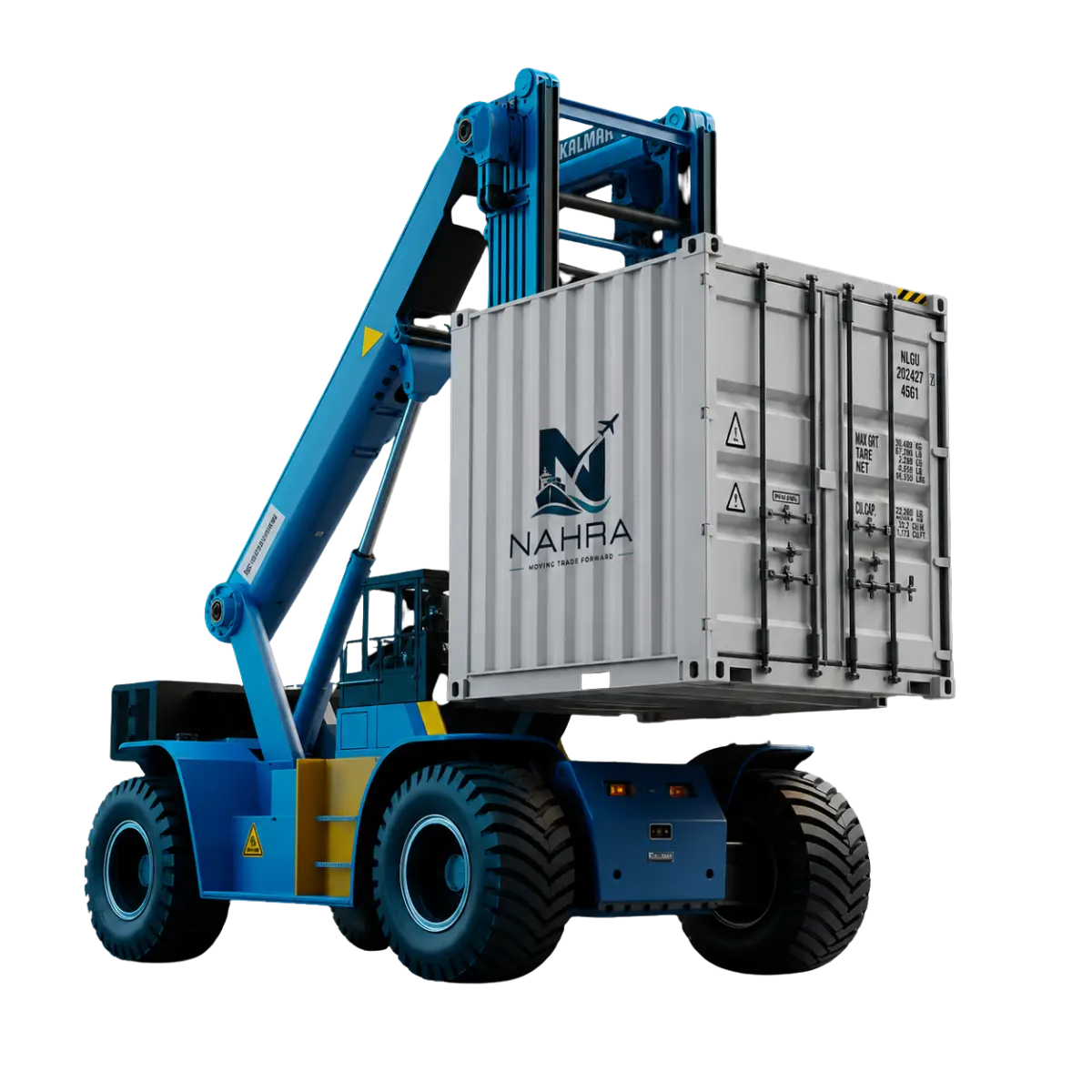
Oversized or Tall Cargo from Oman and the UAE to worldwide

Oversized or Tall Cargo Shipping from Oman and the UAE
Transporting oversized or tall cargo internationally requires careful planning, suitable shipping equipment, and specialised handling arrangements. Unlike standard cargo, goods that exceed conventional container dimensions may need alternative loading methods, special transport permits, and detailed coordination between freight forwarders, carriers, and port operators.
Oversized or tall cargo shipping from Oman and the UAE to worldwide destinations helps businesses transport large machinery, industrial equipment, construction components, steel structures, and other cargo that cannot easily fit inside standard shipping containers.
Nahra Logistics provides international freight forwarding and logistics support for businesses with different cargo transportation requirements. Understanding the available shipping methods and preparation requirements can help businesses plan oversized cargo movements more effectively.
What Is Oversized or Tall Cargo?
Oversized cargo refers to goods that exceed standard transportation dimensions, weight limits, or loading restrictions. Tall cargo is a category of oversized cargo that exceeds the permitted height of conventional containers or transport equipment.
These shipments may require specialised containers, flat-rack equipment, open-top containers, breakbulk shipping, or project cargo services.
Common examples include:
Industrial machinery and manufacturing equipment
Construction and mining machinery
Tall industrial components and equipment frames
Steel structures, beams, and large pipes
Wind energy and power generation components
Generators, turbines, and heavy equipment parts
Large agricultural machinery
Oversized equipment for oil, gas, and infrastructure projects
The appropriate shipping method depends on the cargo’s dimensions, weight, shape, centre of gravity, handling requirements, and final destination.
Why Does Oversized or Tall Cargo Require Specialised Shipping?
Oversized cargo often presents transportation challenges that do not apply to standard containerised shipments. Planning these requirements before dispatch helps businesses identify equipment needs and potential restrictions.
1. Specialised Container Selection
Standard containers have fixed internal dimensions and door openings. Tall or unusually shaped cargo may not fit within these limits, making alternative equipment necessary.
Depending on the cargo, a flat-rack container, open-top container, or another specialised transport arrangement may be appropriate. Equipment availability and carrier acceptance should be confirmed before booking.
2. Careful Loading and Unloading
Oversized cargo may require cranes, forklifts with appropriate capacity, lifting frames, or other specialised equipment. Loading plans should account for the cargo’s weight distribution, lifting points, and clearance requirements.
3. Safe Cargo Securing
Tall cargo can create additional stability challenges during handling and transportation. Appropriate lashing, blocking, bracing, and securing methods are important to reduce movement and protect both the cargo and transport equipment.
4. Route and Height Restrictions
Oversized cargo transported by road may encounter restrictions involving bridges, tunnels, overhead cables, road widths, turning space, and permitted axle loads. Route surveys and transport permits may be required before moving cargo to or from a port.
5. Coordination Across the Supply Chain
Oversized cargo movements may involve multiple service providers, including freight forwarders, carriers, port operators, customs brokers, and specialised transport companies. Coordinating their responsibilities helps support a smoother shipping process.
Oversized and Tall Cargo Shipping from Oman
Oman serves businesses involved in international trade, industrial operations, construction, and infrastructure development. Companies shipping large equipment and tall industrial components from Oman may require specialised freight arrangements based on cargo dimensions and destination requirements.
The shipping process begins with assessing the cargo’s length, width, height, gross weight, and loading characteristics. These details help determine whether the shipment can move in a standard container or requires specialised equipment.
Depending on the cargo and available services, shipping arrangements may include:
Flat-rack or open-top container shipping
Breakbulk sea freight
Heavy-lift or project cargo services
Specialised road transportation to the port
Export documentation and customs coordination
Destination handling and onward delivery planning
Businesses should confirm container availability, port handling capabilities, vessel schedules, and any applicable transport restrictions before finalising their shipment.
Oversized and Tall Cargo Shipping from the UAE
The UAE is an important regional logistics and trading hub, connecting businesses with international markets across Asia, Europe, Africa, and other regions.
Exporters and industrial businesses moving oversized cargo from the UAE can explore shipping options based on the type of equipment, shipment dimensions, required delivery schedule, and destination facilities.
For cargo that exceeds standard container height or width limits, specialised container equipment or non-containerised shipping may be necessary. The chosen method should be confirmed with the carrier or specialist cargo provider to ensure that the shipment can be safely loaded, transported, and discharged.
For road movements within the UAE or at the destination, businesses may also need to arrange suitable trailers, route assessments, permits, and escorts where required.
Shipping Methods for Oversized or Tall Cargo
Choosing the right shipping method is an important part of managing oversized cargo transportation.
Flat-Rack Containers
Flat-rack containers have an open structure with end walls and may accommodate cargo that exceeds the width or height limits of conventional containers, subject to the equipment’s specifications and carrier approval. They are commonly considered for machinery, steel structures, and large industrial components.
Open-Top Containers
Open-top containers allow cargo to be loaded from above, making them useful for certain tall or heavy items that require crane loading. However, the cargo must still comply with applicable container dimensions, weight limits, and loading requirements.
Breakbulk Shipping
Breakbulk shipping involves transporting individual cargo pieces rather than placing them inside standard freight containers. This option may be suitable for very large structures, industrial equipment, and cargo that cannot be transported practically in a container.
Project Cargo and Heavy-Lift Services
Complex shipments may require project cargo services involving specialised lifting equipment, engineering assessments, detailed loading plans, and coordinated transport arrangements. These services are often considered for large infrastructure, energy, construction, and industrial projects.
The most suitable option depends on the cargo specifications, route, equipment availability, and total logistics cost.
How to Prepare Oversized Cargo for International Shipping
Proper preparation helps reduce handling difficulties and supports safer cargo transportation.
Measure the cargo accurately. Record the exact length, width, height, and gross weight, including any packaging, skids, or supporting frames.
Provide technical specifications. Drawings, photographs, lifting-point details, and centre-of-gravity information can help the freight provider assess the shipment.
Confirm loading requirements. Identify whether the cargo requires crane loading, specialised lifting equipment, or a particular loading orientation.
Plan cargo securing. Ensure that suitable lashing points and securing arrangements are available and that the proposed method meets applicable cargo-securing requirements.
Protect the cargo. Use appropriate weather protection, packaging, and corrosion prevention where necessary, taking into account the equipment and expected transport conditions.
Check the complete route. Consider road restrictions, port equipment capacity, container limits, vessel requirements, and unloading facilities at the destination.
Early preparation helps identify potential issues before the cargo reaches the port.
Documents Required for Oversized Cargo Shipping
Documentation requirements vary depending on the cargo, origin, destination, transport method, and applicable regulations. Common documents may include:
Commercial invoice: Provides details of the goods and their declared value.
Packing list: Specifies the number of pieces, dimensions, and weights.
Bill of lading: Records the sea freight transport arrangement.
Cargo drawings and specifications: Help carriers and handling teams assess oversized shipments.
Export and import declarations: Support customs clearance procedures.
Special transport permits: May be required for oversized road transportation.
Additional certificates or approvals: May apply to specific equipment, industries, or destinations.
Businesses should verify the required documents with their freight forwarder, carrier, customs broker, and relevant authorities before dispatch.
Factors Affecting Oversized or Tall Cargo Shipping Costs
The cost of shipping oversized or tall cargo from Oman and the UAE to worldwide destinations depends on several factors:
Cargo height, width, length, and gross weight
Container type or specialised vessel requirements
Origin and destination ports and available shipping routes
Crane operations, loading, unloading, and lashing
Specialised trailers and inland transportation
Route surveys, permits, and escort requirements
Customs clearance, port handling, and documentation
Cargo insurance and any required technical assessments
Providing complete cargo specifications and delivery details helps freight providers evaluate the shipment and prepare a more accurate quotation.
How Nahra Logistics Can Support Your Oversized Cargo Shipment
Nahra Logistics provides international freight forwarding support for businesses moving cargo from Oman and the UAE to global destinations. Businesses planning oversized or tall cargo shipments can discuss their cargo dimensions, shipping routes, equipment requirements, documentation, customs procedures, and onward transportation needs.
Specialised containers, vessel capacity, lifting arrangements, and destination handling facilities must be confirmed for each shipment. Planning these requirements in advance can help businesses coordinate complex cargo movements more effectively.
Whether you are transporting industrial machinery, tall equipment, steel structures, or oversized project components, selecting a suitable shipping arrangement begins with a clear assessment of your cargo and delivery requirements.
Conclusion
Oversized or tall cargo shipping from Oman and the UAE to worldwide destinations requires specialised planning, suitable transport equipment, secure handling, and coordination across the logistics process. By assessing cargo dimensions, selecting appropriate shipping methods, and preparing the necessary documentation, businesses can better manage the challenges of transporting large and non-standard goods internationally.
Nahra Logistics can help businesses explore freight forwarding options based on their cargo specifications, origin, destination, and delivery needs. Contact Nahra Logistics to discuss your oversized cargo shipment and request a tailored freight quotation.
About The Nahra logistics & trading
Nahra Logistics & Trading provides reliable freight forwarding, customs clearance, warehousing, and supply chain solutions, ensuring safe and timely cargo movement across domestic and international markets.